Where ancestral weaving, Quechua culture, and the spirit of the Andes come together.
High in the Peruvian Andes, the Chinchero weaving community represents one of the most remarkable living expressions of Andean textile heritage. Surrounded by breathtaking mountains, traditional farmland, and centuries of history, Chinchero is a place where ancient knowledge continues to be preserved through the hands of skilled artisans.
Located near Cusco and the Sacred Valley of the Incas, Chinchero is known for its colorful textiles, traditional weaving techniques, and strong Quechua cultural identity.
At Sacred Loom Peru, we celebrate these living traditions and the communities that keep them alive. Through authentic Peruvian craftsmanship, we aim to connect people around the world with the cultural richness, creativity, and heritage of the Andes.
Discover Chinchero: A Living Andean Community
Chinchero is a traditional Andean district located in the province of Urubamba, approximately 30 kilometers (19 miles) northwest of Cusco, Peru.
Situated at an altitude of approximately 3,750 meters (12,300 feet) above sea level, the area is surrounded by agricultural landscapes, mountain scenery, and communities whose cultural traditions remain deeply connected to the land.
Often referred to as the Birthplace of the Rainbow, Chinchero is much more than a picturesque destination. It is a living cultural landscape where Quechua language, traditional clothing, agricultural knowledge, community celebrations, and textile craftsmanship form part of everyday life.
For generations, local families have preserved practices that connect their present-day communities with the heritage of their ancestors.
The people of Chinchero continue to demonstrate that Andean culture is not simply a part of history. It is a living tradition that evolves while maintaining a meaningful connection to its roots.
The History of Chinchero: From Ancient Civilizations to the Present
The history of Chinchero stretches back to pre-Inca times, when the region was inhabited by communities associated with the Killke culture.
These early inhabitants practiced agriculture and raised Andean camelids, developing ways of life adapted to the mountainous environment.
During the Inca Empire, Chinchero became an important royal and ceremonial settlement. The Inca ruler Túpac Yupanqui ordered the construction of palaces, agricultural terraces, ceremonial spaces, and impressive stone structures.
Many of these architectural remains can still be admired at the Chinchero Archaeological Park.
Following the Spanish conquest, colonial buildings were constructed within the existing Inca settlement. One of the most recognizable examples is the historic Church of Nuestra Señora de la Natividad, built upon earlier Inca foundations.
Today, Chinchero’s historic center reflects the coexistence of pre-Inca, Inca, colonial, and contemporary Andean heritage.
Yet the district’s history is preserved not only in its archaeological monuments. It also lives in its farming practices, oral traditions, community relationships, and remarkable textile craftsmanship.
The Chinchero Weaving Community: Guardians of Textile Heritage
One of Chinchero’s most distinctive cultural traditions is its extraordinary textile art.
The Chinchero weaving community is internationally recognized for its dedication to preserving and revitalizing traditional Andean weaving techniques.
For generations, weaving knowledge has been shared within families and communities. Experienced artisans pass their skills to younger generations, helping traditional patterns, weaving methods, and cultural meanings remain alive.
In Chinchero, a textile is more than a decorative object or a piece of clothing.
It can express identity, family knowledge, artistic creativity, and a connection to the natural environment.
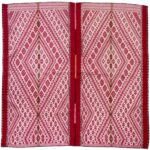
Traditional textiles often feature carefully arranged geometric patterns, distinctive color combinations, and designs associated with local weaving heritage.
Among the traditional textiles of Chinchero is the lliklla, a woven blanket or carrying cloth that has long served practical and cultural purposes in Andean communities.
Local weaving traditions also include the distinctive luraypu design and ñawi awapa, a specialized edging technique used to reinforce and decorate woven textiles.
These techniques demonstrate the remarkable knowledge, precision, and artistry of Andean weavers.
By continuing to practice and teach these skills, Chinchero artisans help ensure that their textile heritage remains a living part of Peruvian culture.
Traditional Andean Weaving: From Fiber to Finished Textile
Creating a traditional Andean textile is a detailed process that requires patience, skill, and experience.
Every stage contributes to the character and quality of the finished piece.
1. Preparing the Natural Fibers
Traditional Andean textiles are commonly created using sheep’s wool and alpaca fiber, depending on the type of textile and the artisan’s techniques.
The fibers are carefully selected, cleaned, and prepared before spinning.
Their natural characteristics influence the texture, warmth, softness, and durability of the finished textile.
2. Spinning the Yarn
Using traditional hand-spinning techniques, artisans transform loose fibers into yarn.
The Andean drop spindle, often called a pushka, allows the spinner to control the thickness and consistency of the thread.
This essential step requires experience and careful attention, as the quality of the yarn influences the weaving process.
3. Creating Colors with Natural Dyes
Natural dyeing is an important part of Chinchero’s revived textile heritage.
Artisans may use locally available plants, minerals, and insects to produce a range of colors.
Traditional examples include:
- Cochineal: An insect-based dye used to create red, pink, and related tones.
- Chilka: A plant used in traditional dyeing to produce greenish and yellow-green shades.
- Indigo: A traditional source of blue dye.
- Other local plants: Depending on the material and preparation, plants can contribute yellow, brown, and earthy shades.
Achieving a desired color requires knowledge of dye materials, preparation methods, temperature, and the interaction between fibers and dyes.
Today, natural dyeing remains an important area of cultural preservation, although not all contemporary Andean textiles are naturally dyed.
4. Weaving on Traditional Looms
Many traditional Andean textiles are produced using a backstrap loom, a portable weaving system that allows artisans to control the tension of the threads with their own bodies.
The weaver carefully interlaces threads to develop patterns, motifs, and intricate geometric compositions.
Depending on the textile, this process may take days, weeks, or longer.
The final result reflects both technical mastery and the artisan’s individual creativity.
5. Finishing Every Piece by Hand
Once the weaving is complete, the textile may undergo additional finishing processes, including securing its edges, trimming loose threads, and checking the quality of the finished work.
Traditional border techniques can provide both durability and decorative beauty.
The result is a handcrafted textile shaped by human skill, experience, and cultural knowledge.
The Meaning Behind Andean Textile Designs
Traditional Andean textiles communicate much more than color and beauty.
Their patterns can express community identity, weaving traditions, personal creativity, and relationships with the surrounding environment.
Across the Andes, textile designs may draw inspiration from mountains, agricultural landscapes, animals, plants, and other elements of everyday life.
Some motifs are closely associated with particular communities, while others vary in meaning depending on the artisan, region, and cultural context.
In Chinchero, traditional compositions often bring together geometric patterns, repeated forms, and carefully balanced sections of color.
Rather than treating every symbol as having one universal interpretation, it is important to recognize the knowledge of the artisans who create and preserve these designs.
Every textile offers an opportunity to appreciate the diversity and complexity of Andean artistic expression.
The Women of Chinchero: Preserving Knowledge Across Generations
Women have played a fundamental role in preserving and revitalizing Chinchero’s traditional textile heritage.
Through their craftsmanship, leadership, and dedication, generations of women have maintained weaving techniques and contributed to the cultural and economic life of their communities.
Experienced weavers often teach younger artisans how to prepare fibers, spin yarn, select colors, and develop traditional designs.
These exchanges take place through family relationships, community workshops, and weaving associations.
Chinchero also holds an important place in the modern revival of traditional weaving in the Cusco region.
Local women helped establish initiatives dedicated to recovering textile techniques that were at risk of disappearing.
Their work demonstrates how cultural preservation can go hand in hand with artistic independence and opportunities for local families.
Today, the dedication of these artisans continues to inspire people who value handmade craftsmanship and the preservation of cultural heritage.
Quechua Culture and Everyday Life in Chinchero
Textile weaving is only one part of Chinchero’s rich cultural identity.
The district is home to Quechua-speaking communities that maintain important connections with traditional Andean ways of life.
Agriculture remains an important activity, with families cultivating crops such as potatoes and other products suited to the high-altitude environment.
Community relationships, local markets, traditional clothing, music, and religious celebrations contribute to Chinchero’s cultural landscape.
Agriculture and Connection to the Land
Farming has supported Andean communities for centuries.
Agricultural knowledge is closely linked to seasonal changes, mountain environments, and traditional understandings of the relationship between people and the land.
Community Markets and Handcrafted Products
Chinchero is known for its traditional markets, where visitors can encounter local produce, clothing, and handcrafted goods.
Textiles are among the district’s most recognizable artistic expressions.
Traditional Celebrations
Local festivities bring together religious, historical, and community traditions.
Music, dance, traditional dress, and shared celebrations demonstrate the cultural continuity and diversity of contemporary Andean life.
Pachamama and Andean Worldviews
Within Andean traditions, Pachamama is closely associated with the living earth and the relationship between human communities and their environment.
Practices expressing gratitude, reciprocity, and respect for nature remain meaningful in many Andean communities.
These cultural values provide important context for understanding the relationship between local traditions, artistic expression, and daily life.
Chinchero Archaeological Park: A Window into the Inca Past
Beyond its textile heritage, Chinchero is home to an important archaeological complex that reflects the architectural achievements of the Inca civilization.
The Chinchero Archaeological Park includes impressive stone walls, agricultural terraces, ceremonial areas, and remains associated with the royal residence of Túpac Yupanqui.
Its carefully constructed terraces demonstrate how the Incas adapted agricultural landscapes to the challenging geography of the Andes.
The historic church and surrounding town center add another layer to the district’s cultural history.
Together, these elements make Chinchero an exceptional example of the continuity and transformation of Andean civilization.
For those interested in Peruvian textiles, understanding this historical setting offers a deeper appreciation of the cultural environment in which traditional weaving continues to thrive.
Sacred Loom Peru and the Chinchero Weaving Community
At Sacred Loom Peru, we believe traditional craftsmanship deserves recognition, appreciation, and opportunities to reach people beyond the Andes.
Our story is closely connected to Chinchero and the rich textile heritage of the Cusco region.
Through our relationships with local artisans and weaving communities, we seek to celebrate the knowledge, creativity, and cultural traditions behind authentic Peruvian handmade products.
Our collections bring together traditional Andean textiles, handcrafted garments, decorative pieces, and objects inspired by the cultural heritage of Peru.
We recognize that every handcrafted creation represents time, technical knowledge, artistic expression, and the dedication of its maker.
Honoring Traditional Craftsmanship
We value the skills and experience of Andean artisans and the importance of preserving traditional textile knowledge.
Connecting Artisans with International Customers
Through our online store, we introduce handcrafted Peruvian products to customers around the world who appreciate cultural heritage and artisan craftsmanship.
Promoting Cultural Appreciation
We share stories about Andean weaving, traditional materials, cultural practices, and the communities behind these remarkable artistic traditions.
Supporting the Future of Andean Textiles
By promoting handmade craftsmanship and building relationships with artisan communities, our goal is to contribute to a future in which traditional weaving remains valued and economically meaningful.
For Sacred Loom Peru, textiles are more than products. They are expressions of cultural identity, human creativity, and the living heritage of the Andes.
Discover Handmade Peruvian Textiles Inspired by the Andes
Explore the artistic richness of Peru through a selection of handcrafted textiles and traditional designs.
Our collections celebrate the beauty, diversity, and craftsmanship of Andean textile traditions.
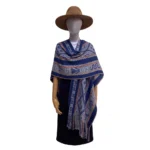
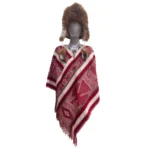
Peruvian Ponchos & Capes
Discover handmade ponchos and elegant capes that combine traditional Andean inspiration with contemporary style.
Andean Tapestries
Explore woven art inspired by Peruvian culture, traditional patterns, and the natural beauty of the Andes.
Traditional Mesa Cloths
Learn about Andean woven cloths, their cultural significance, and the craftsmanship behind traditional and contemporary designs.
Handmade Table Runners
Bring the color and character of Peruvian textile artistry into your home with handcrafted decorative textiles.
Each product has its own materials, techniques, and origin. Please refer to individual product descriptions for specific craftsmanship details.
Why Preserving the Chinchero Weaving Community Matters
Traditional weaving is an important part of the cultural heritage of Chinchero and the wider Cusco region.
Its preservation depends on the continued dedication of artisans, opportunities to share knowledge, and recognition of the value of handmade craftsmanship.
As lifestyles and markets change, younger generations may face new challenges in continuing time-intensive traditional practices.
Supporting the visibility of weaving communities, respecting their cultural knowledge, and appreciating the labor behind authentic textiles can help create meaningful opportunities for this heritage to continue.
When people learn about the stories behind traditional textiles, they discover a deeper connection to the communities and cultural traditions that make them possible.
Preserving Andean textiles is not about keeping culture frozen in the past.
It is about respecting living traditions and supporting the artisans who carry them into the future.
Frequently Asked Questions About Chinchero
Where is the Chinchero weaving community located?
Chinchero is located in the province of Urubamba, in the Cusco region of Peru, approximately 30 kilometers northwest of Cusco city. The district is situated at an altitude of around 3,750 meters above sea level.
Why is Chinchero famous for weaving?
Chinchero is renowned for its traditional Andean textiles, skilled Quechua artisans, distinctive weaving patterns, and important role in the preservation and revival of ancestral textile techniques.
What textiles are traditionally made in Chinchero?
Traditional Chinchero textiles include llikllas, woven blankets, ponchos, and other handmade fabrics. Contemporary artisans also create a broader range of garments and decorative textiles using traditional and adapted techniques.
What materials do Chinchero artisans use?
Artisans may work with sheep’s wool, alpaca fiber, and other textile materials depending on the product. Some traditional textiles use naturally dyed yarn, while others may use different dyeing and fiber processes.
Are Chinchero textiles handmade?
Traditional Chinchero weaving is performed by skilled artisans using handweaving techniques, including backstrap looms. However, materials and production methods vary between individual products, so buyers should always verify the details of a specific textile.
What makes Chinchero textiles unique?
Chinchero textiles are recognized for their traditional patterns, carefully arranged colors, cultural significance, and specialized techniques such as the ñawi awapa border. Their artistic identity reflects the knowledge and craftsmanship of local weavers.
Can visitors learn about traditional weaving in Chinchero?
Yes. Chinchero is known for weaving centers and artisan associations where visitors can learn about traditional textile production, natural dyeing, and weaving techniques. Specific demonstrations and visiting arrangements depend on each center.
How does Sacred Loom Peru connect with Chinchero artisans?
Sacred Loom Peru celebrates the weaving traditions of Chinchero and maintains relationships with local artisans and communities. Through its online collections and cultural content, the brand aims to promote appreciation for authentic Andean craftsmanship and help connect handmade products with international customers.
Every Thread Tells a Story
The Chinchero weaving community represents the enduring creativity, resilience, and cultural richness of the Peruvian Andes.
From ancient archaeological sites to the skilled hands of contemporary artisans, Chinchero offers a remarkable connection between history and living tradition.
At Sacred Loom Peru, we are proud to celebrate this heritage and share the beauty of Andean craftsmanship with the world.
Discover the artistry of Peru. Honor its traditions. Celebrate the hands that keep them alive.