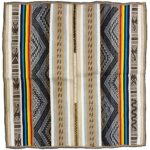
Andean Textiles Peru: A Guide to Authentic Handmade Weavings

Andean textiles from Peru are more than just decorative fabrics or colorful souvenirs. They are handmade pieces that preserve ancient traditions, community identity, and artistic techniques passed from generation to generation.
Across the Peruvian Andes, especially in communities around Cusco and the Sacred Valley, artisans continue to spin, dye, and weave fibers using methods that have been practiced for centuries.
Today, these textiles can be found in clothing, bags, table runners, rugs, cushion covers, ponchos, and detailed wall tapestries. Each piece reflects the skill of its maker and the cultural environment in which it was created.
For anyone looking to buy authentic Andean textiles from Peru, understanding how they are created can help you learn the value behind every thread.
What Are Andean Textiles?
Andean textiles are woven or knitted pieces created by communities located throughout the Andes Mountains of Peru, Bolivia, and neighboring regions.
In Peru, textile traditions developed long before the Inca Empire. Ancient cultures used cotton, camelid fibers, and plant materials to produce clothing, ceremonial fabrics, and garments for daily life.
Over centuries, different communities created their own weaving techniques, colors, and patterns. These distinctions continue to be alive today, allowing textiles to express specific local identities, family traditions, and connections with the surrounding landscape.
Textile production remains an important part of cultural life in several Peruvian communities. UNESCO recognizes the textile art of the Taquile Islands, for example, as an element of intangible cultural heritage because of its deep connection with community organization and traditional knowledge.
Why Are Peruvian Andean Textiles Special?
A handcrafted Andean textile is different from a mass-produced fabric. It may require many stages of careful work, beginning with the preparation of the fiber and ending with the woven design.
There are several characteristics that make these pieces unique.
They Are Handmade
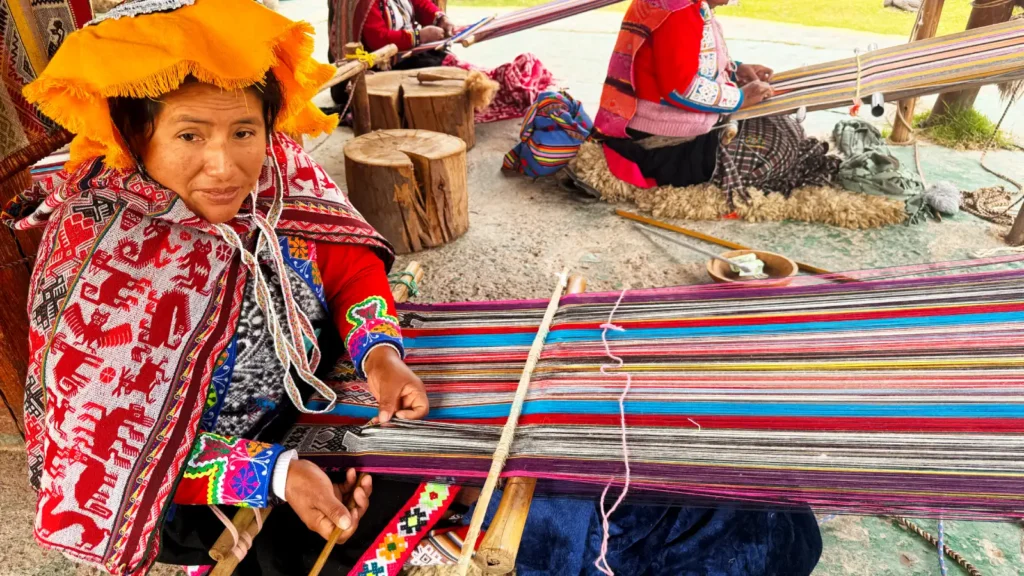
Traditional artisans use tools such as spindles and backstrap looms to create their textiles. The backstrap loom is attached to a fixed-stable point on one end and secured around the weaver’s body on the other.
By adjusting her position, the artisan handles the tension of the threads and gradually builds the pattern.
This process requires concentration, patience, and years of experience; many of these weavers learn to weave when they are kids. Small variations in the weave are not defects. They are natural signs that the piece was created by hand, and that makes the weave one of a kind.
Preservation of Ancient Knowledge
Weaving techniques are commonly learned within families and communities. Children may observe parents and grandparents spinning fibers, combining colors and interpreting traditional designs.
Sacred Loom Peru works with weaving communities to help preserve these practices and promote the knowledge of local artisans.
When you purchase an authentic handmade textile, you are supporting more than just a finished product. You are also helping locals have a better life and traditional skills remain relevant for future generations.
Every Piece Has Its Own History
Even when two weavers follow a similar design, the finished textiles will not be completely identical.
The placement of colors, tension of the threads, and all the handwork make this incredible piece unique. This is one of the reasons collectors and travelers appreciate genuine Peruvian textiles.
Materials Used in Andean Textiles
The material used depends on the community, the intended purpose of the textile, and the artisan’s design.
Alpaca Fiber
Alpaca fiber is one of the materials most closely associated with the Peruvian Andes. It is valued for its quality, softness, and ability to provide insulation in cold mountain environments.
It is commonly used to make:
- Ponchos and capes
- Sweaters
- Scarves
- Chullos and hats
- Blankets and throws
- Home decor textiles
Some products are made from regular alpaca fiber, while finer garments are made using baby alpaca. The term “baby alpaca” refers to the fineness and quality of the fiber rather than necessarily coming from a young animal.
Sheep Wool
Sheep wool was introduced to the Andes after the arrival of the Spanish. It later became widely incorporated into local weaving traditions.
It is durable, warm, and suitable for rugs, table runners, bags, clothing, and decorative pieces.
Cotton
Cotton has been used by cultures from the coastal regions of Peru for thousands of years. It may be used alone or combined with other fibers to produce lighter textiles and decorative details.
Natural Dyes and Traditional Colors
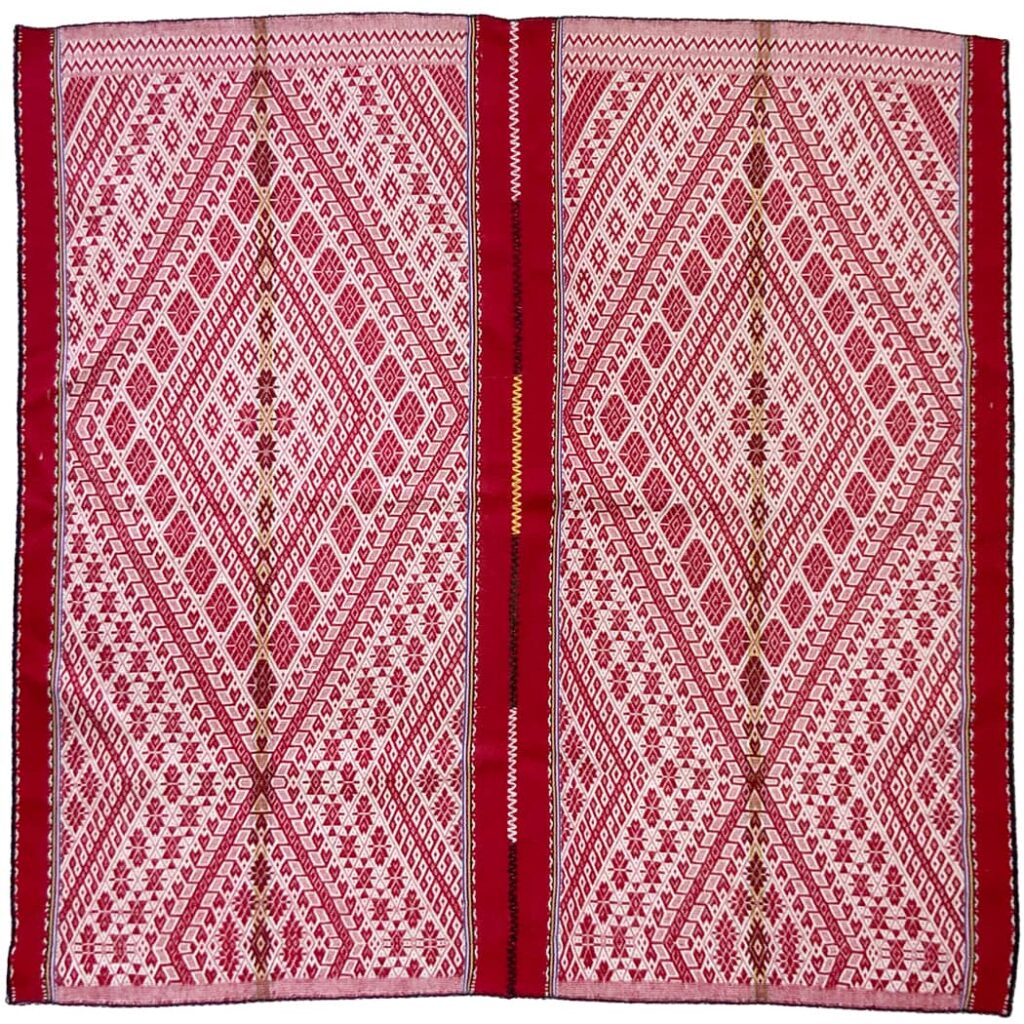
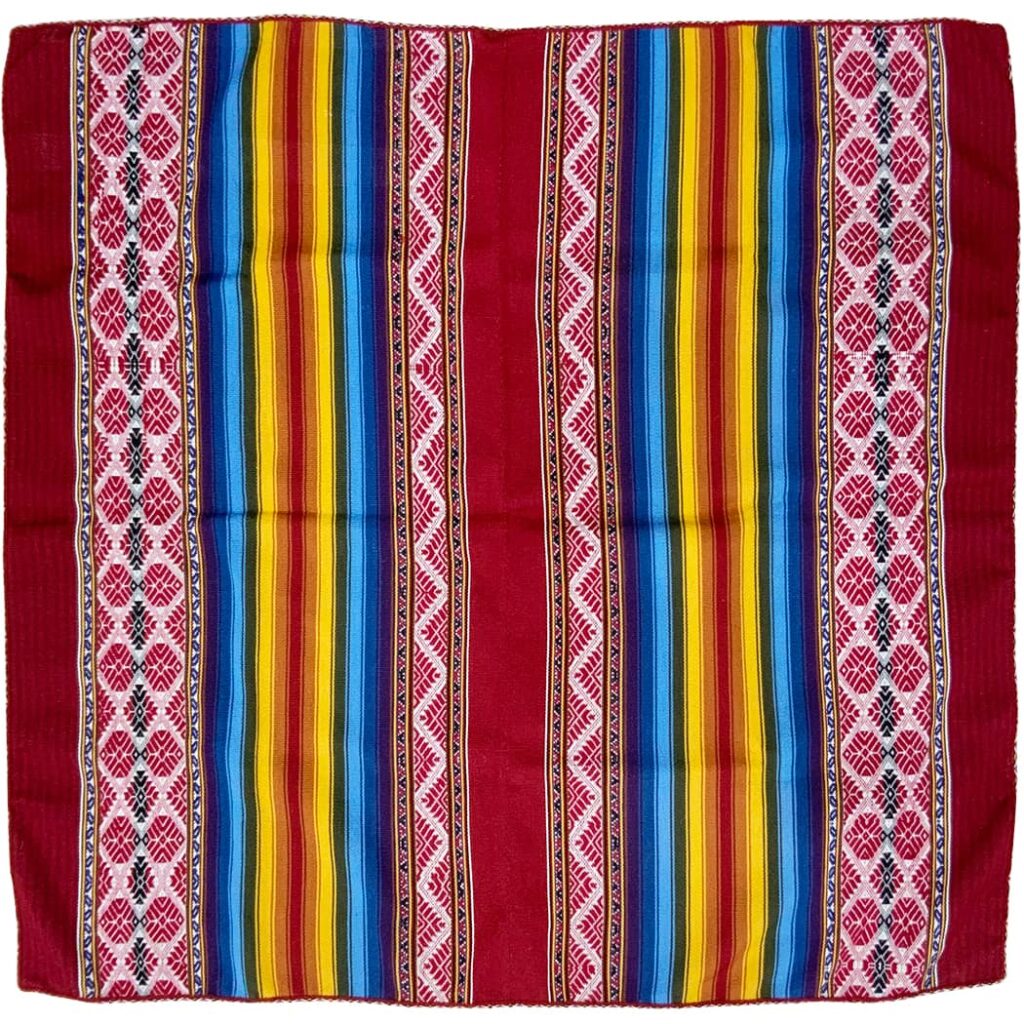
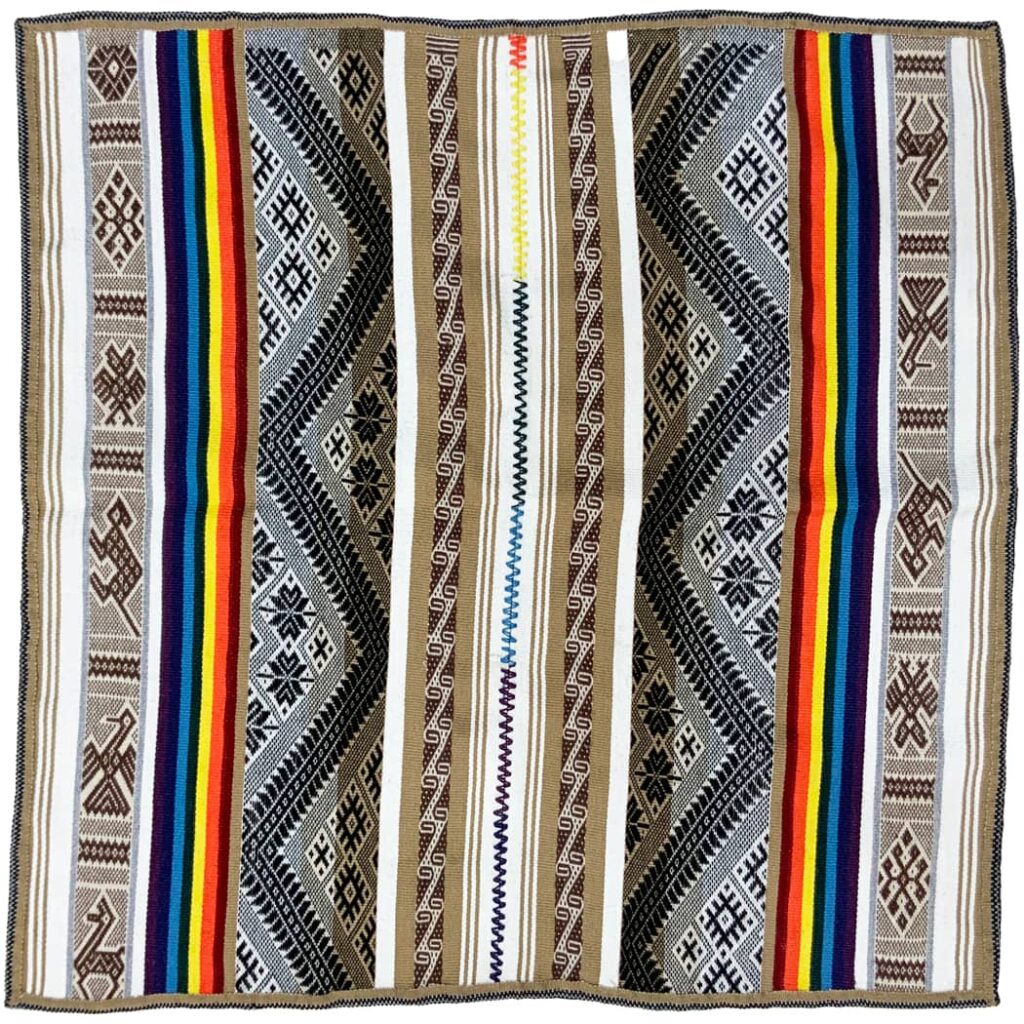
Colors are one of the most recognizable features of Andean weaving.
Traditional artisans can create different tones using plants, flowers, leaves, bark, minerals, and other natural materials. The use of ingredients and methods are different in every community.
The fiber has a cleaning process before being placed into a dye bath. Depending on the materials, preparation, and amount of time of exposure, the artisan can achieve different tones and intensities.
Natural dyeing requires detailed knowledge. Artisans must understand how fibers react to each ingredient and how to help the color remain long and stable.
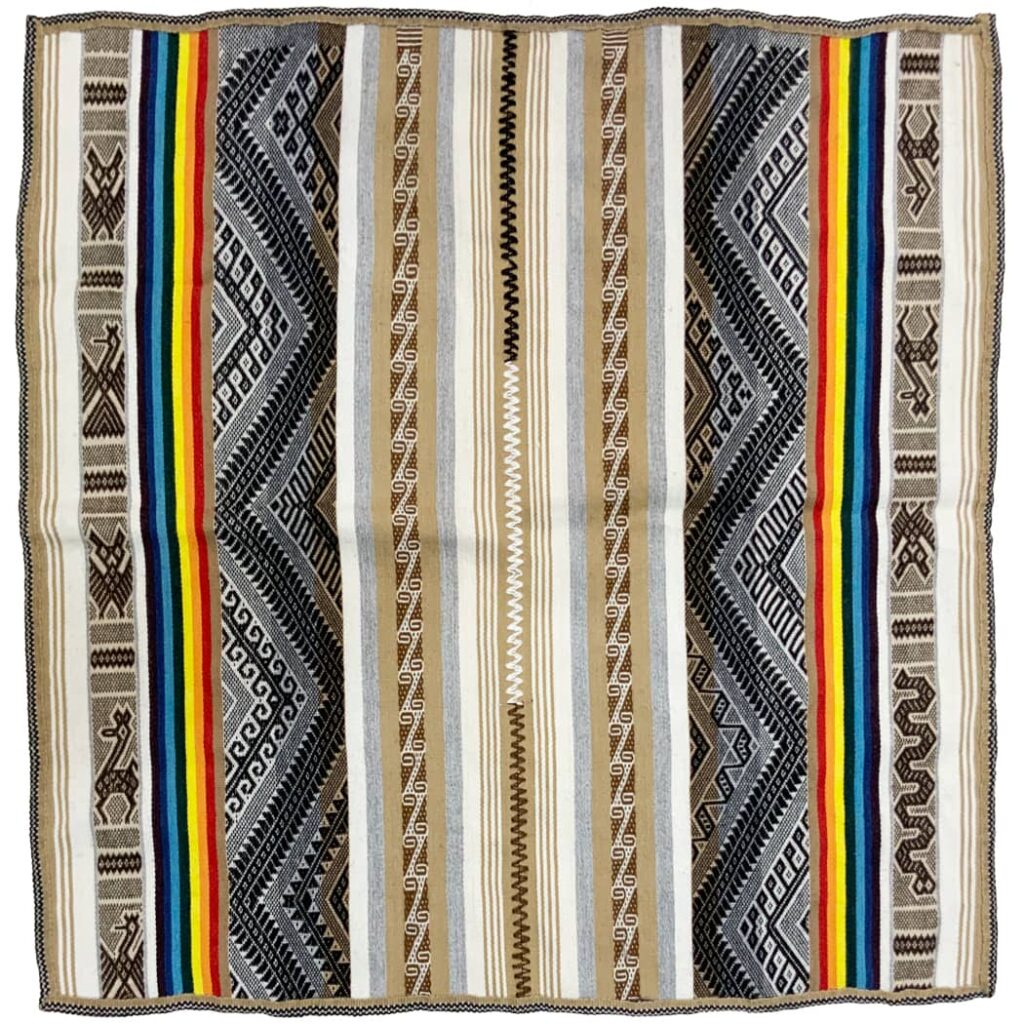
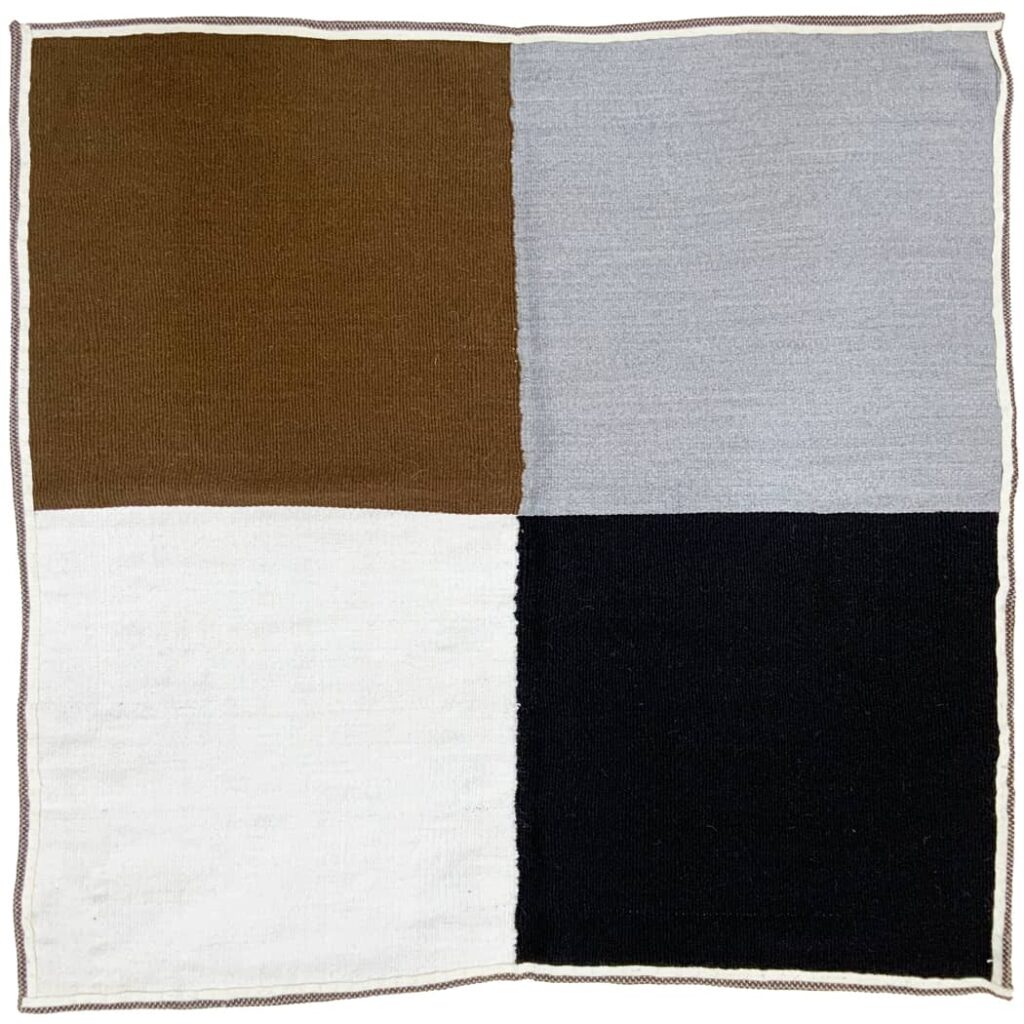
The final shades may include deep reds, earthy browns, warm yellows, soft greens, and natural tones of white, gray, and black.
The Meaning of Andean Textile Patterns
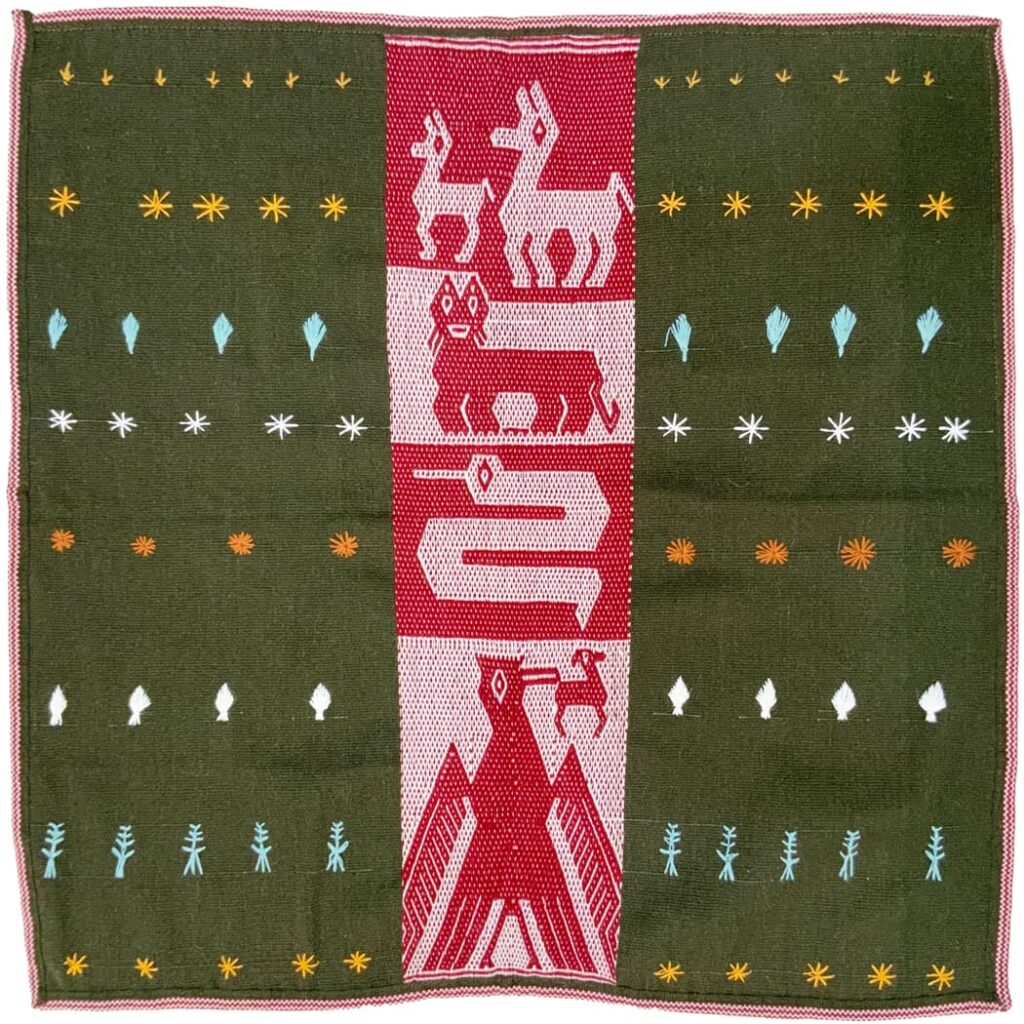
Andean textile patterns are not simply added for decoration. Many designs are inspired by the environment, agricultural life, animals, and the Andean worldview.
Common sources of inspiration include:
- Mountains
- Rivers and lakes
- Agricultural fields
- Llamas and alpacas
- Birds
- Flowers and plants
- Stars and constellations
- Community paths
- Geometric representations of nature
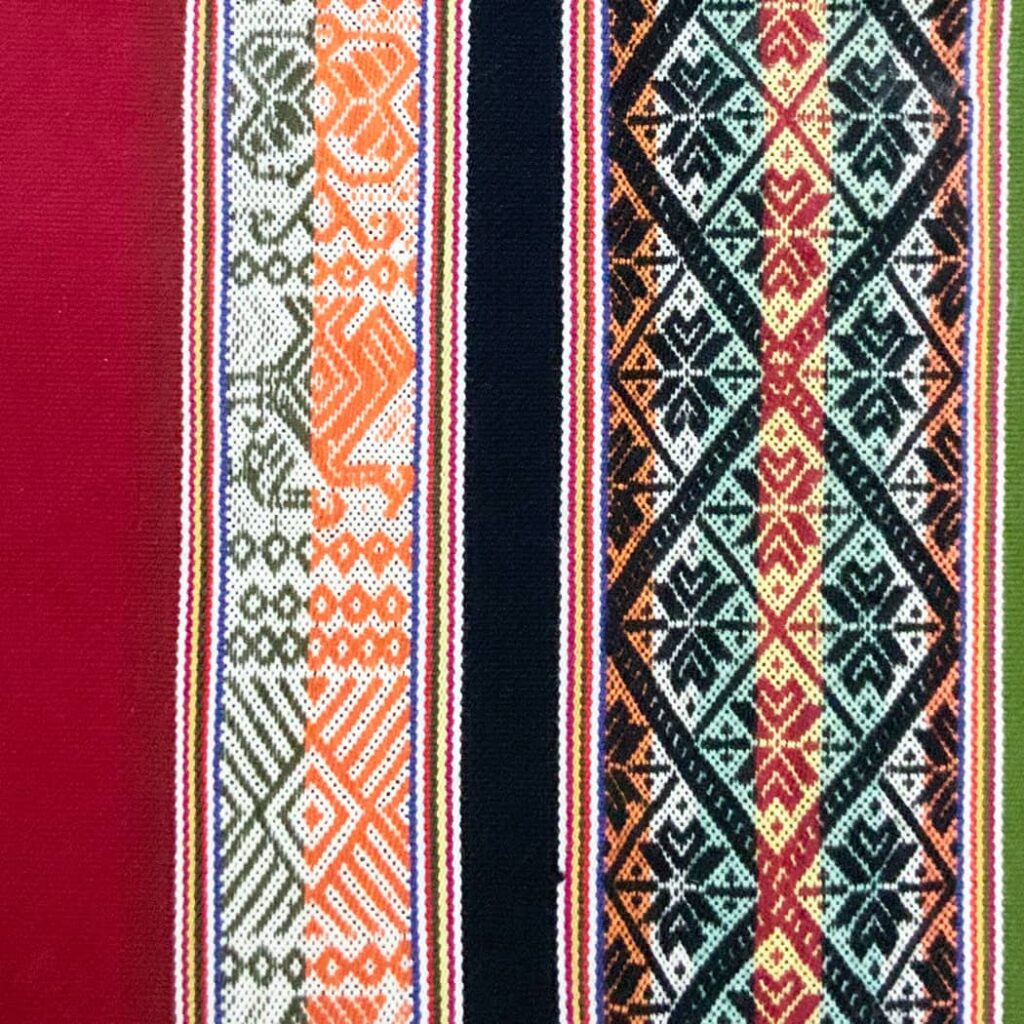
Every single pattern has a specific meaning for each community. For this reason, it is better to avoid assuming that every symbol has one universal interpretation.
In many cases, a design reflects what the artisan sees, remembers, or values in her surroundings.
Popular Types of Andean Textiles from Peru
Peruvian textiles can be used as clothing, home decor, or meaningful gifts.
Handmade Ponchos and Capes
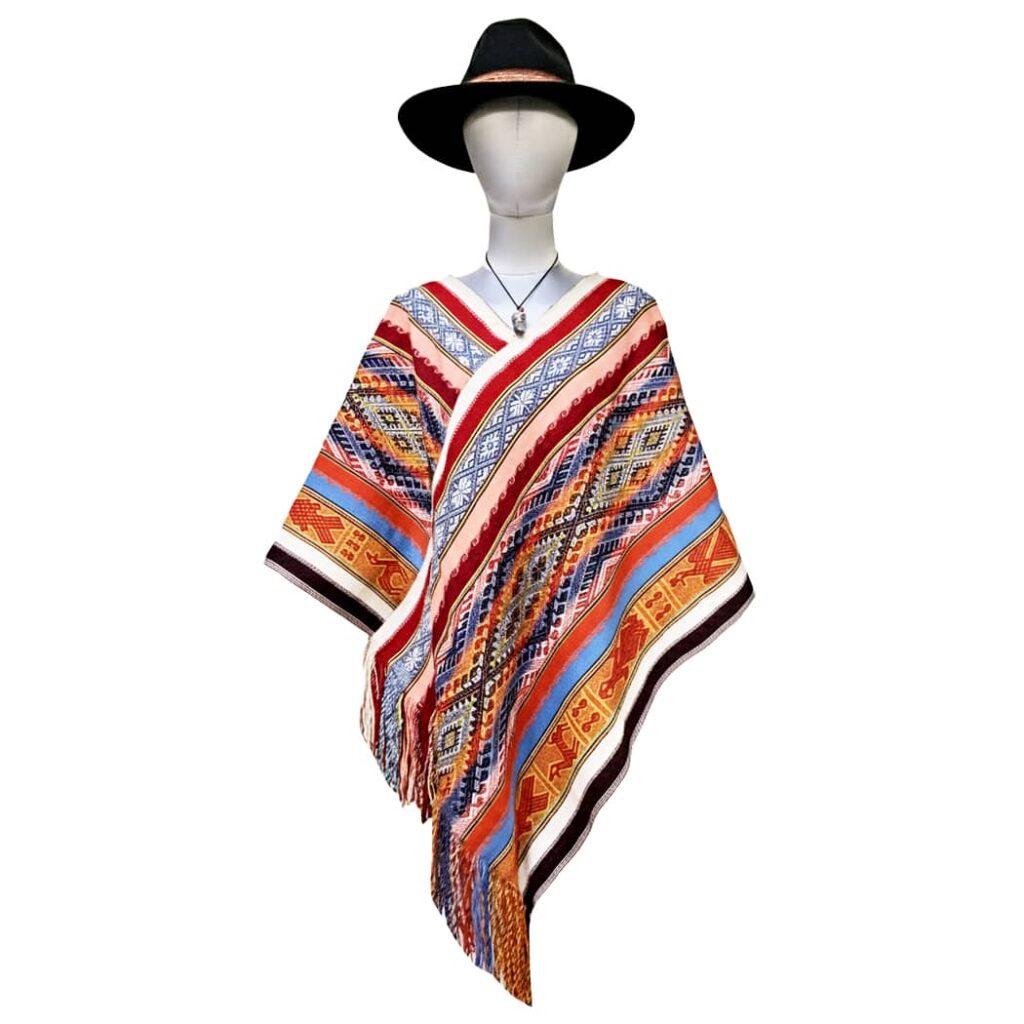
The poncho is one of the most important garments from the Andes. It provides warmth while allowing freedom of movement. Most importantly, it has a deeper significance for Andean healers who still conserve the Andean cosmic knowledge.
Handmade Peruvian ponchos may use alpaca fiber, wool, or a combination of materials. Traditional designs can be adapted into contemporary pieces that are suitable for everyday wear.
Because a handmade poncho requires considerable time and skill, it should be viewed as a long-lasting garment rather than just a fashion item.
Chullos and Andean Hats
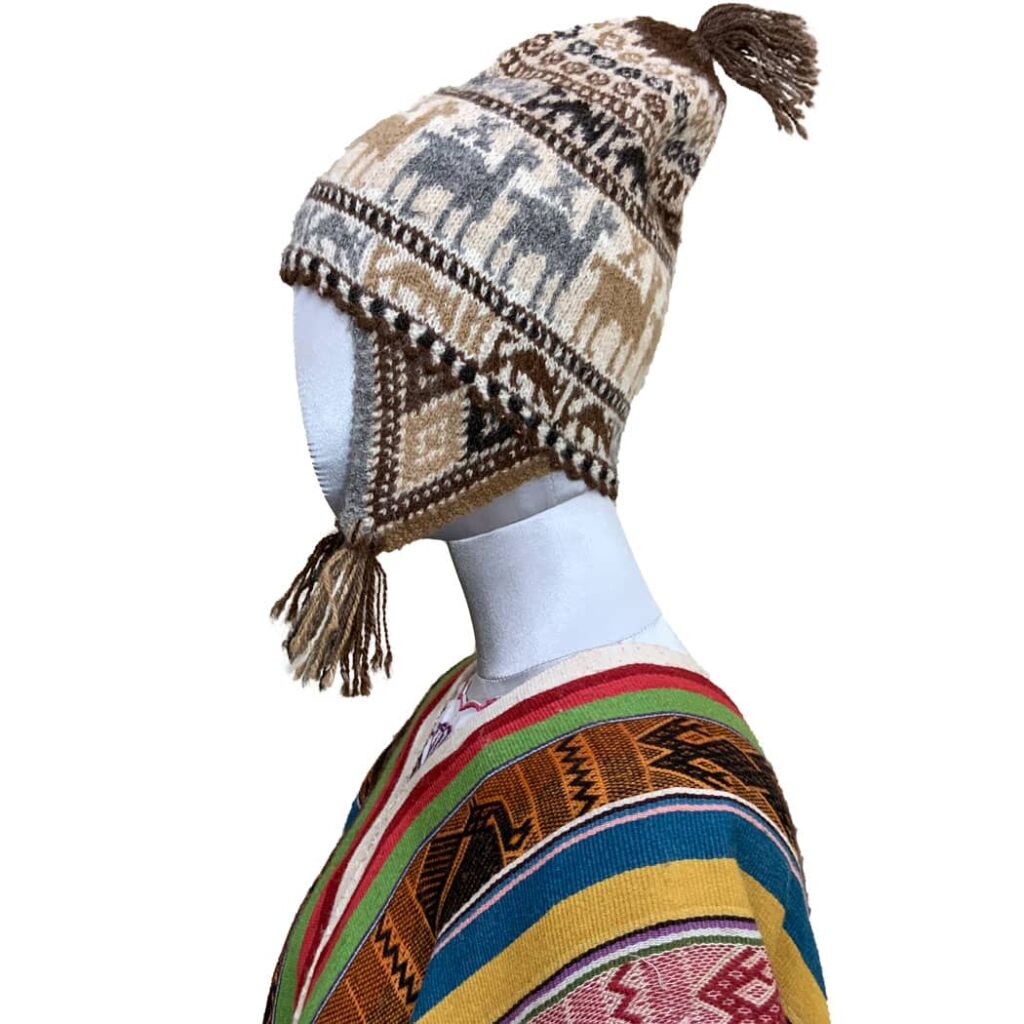
A chullo is a traditional knitted hat, usually designed with ear flaps to provide protection from cold temperatures.
Colors, patterns, and shapes may differ depending on the region and the artisan who creates them. Each chullo has a singular color for each community that could help us to know where someone comes from.
Chuspa Bags
A chuspa is a small woven shoulder bag traditionally used in the Andes to carry all your sacred items. During the Inca civilization, it was used a lot by messengers called “Chaskis.” Modern versions can be used for carrying personal items while maintaining the colors and patterns associated with Peruvian textile art.
They are practical, lightweight, and easy to combine with casual clothing.
Table Runners
Andean table runners bring color, texture, and cultural character to dining rooms and living spaces.
Made from high-quality natural fibers, table runners showcase intricate patterns and harmonious color combinations inspired by the majestic mountains, ancient Inca symbols, and the vibrant landscapes of Peru. Every design tells a story, making each piece more than just a decorative accent—it is a celebration of Andean culture and artistry.
They can be placed on wooden tables, consoles, or other furniture as a decorative centerpiece.

Cushion Covers
Handwoven cushion covers are an accessible way to include Peruvian craftsmanship in a home.
Cushion covers are designed to bring warmth, elegance, and authenticity to any room. Whether styled on a sofa, armchair, in a bedroom, or in a reading nook, they effortlessly blend traditional craftsmanship with contemporary interiors, making them a perfect accent for rustic, bohemian, modern, or minimalist décor.

Throws and Rugs
Handmade throws and rugs can add warmth and texture to a room. Depending on the weaving method and material, they may be used as blankets, furniture accents, floor coverings, or wall decorations.
Andean Tapestries
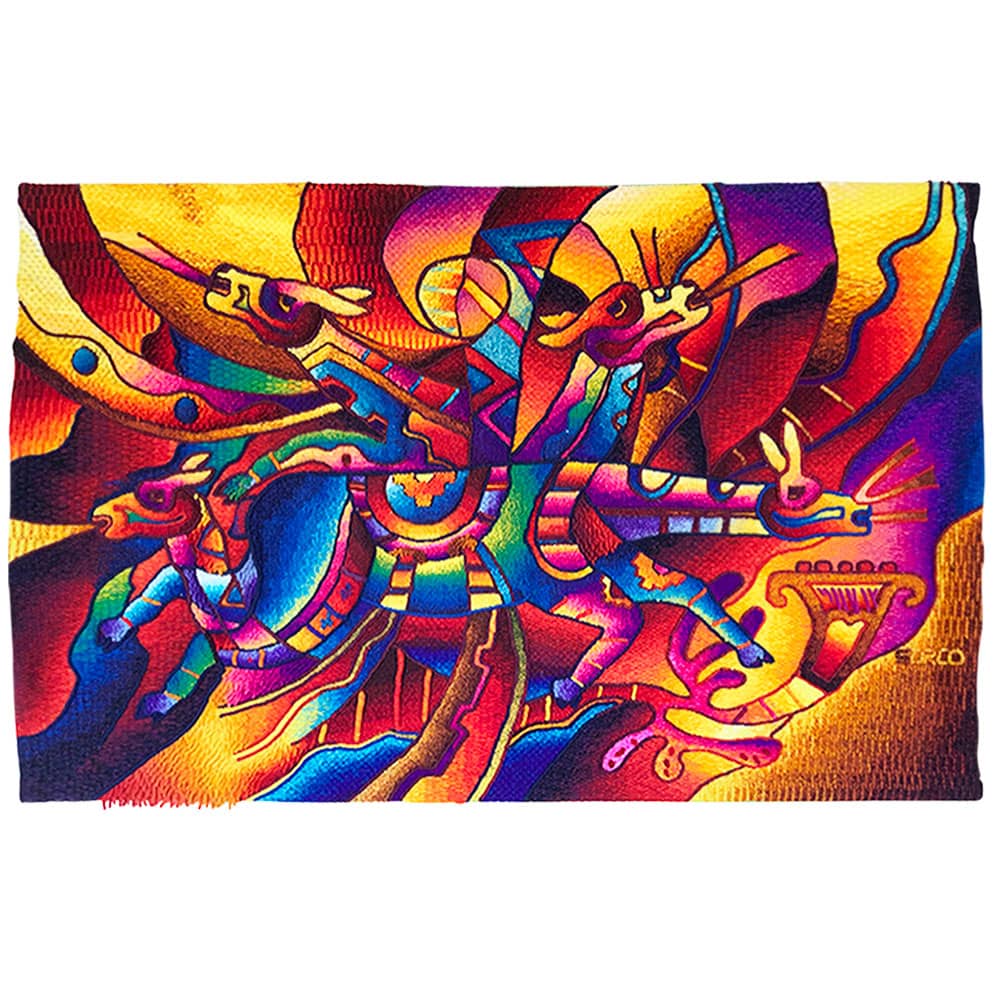
Andean tapestries are decorative woven works that may represent landscapes, animals, community life, or geometric patterns.
Peruvian tapestries have begun to gain popularity in recent years. When someone stands and looks at these pieces, they become aware of the enormous amount of artistic vision and exquisite craftsmanship that has gone into creating these masterpieces.
How to Identify Authentic Andean Textiles
Textiles of Peru are gaining popularity, which also led to many industrial products being promoted as handmade.
Before buying an Andean textile, consider the following details.
Look at the Product Description
A reliable seller should provide clear information about the material, production method, dimensions, and place of origin.
Avoid listings that only use general phrases such as “Peruvian style” without explaining where or how the product was made.
Expect Small Handmade Variations
Industrially made textiles are normally extremely uniform. Handmade products may include slight variations in color, stitching, size, or pattern alignment since they are handcrafted from scratch with manual techniques.
These details are part of the textile’s individual character.
Consider the Time Required to Make It
Traditional spinning, dyeing, and weaving take time. A detailed handmade tapestry or poncho cannot normally be produced as quickly as an industrial textile.
Very low prices can indicate synthetic materials, factory production, or unfair trade to the artisan.
Ask About the Artisan or Community
Responsible stores should be able to explain who produces their textiles and how they work with local communities.
This transparency helps buyers understand where their money goes and whether the purchase genuinely supports traditional artisans.
Why Handcrafted Andean Textiles Cost More
Some shoppers compare authentic handmade products with inexpensive textiles sold in tourist markets or online marketplaces.
However, the price of a genuine handmade textile reflects several important factors:
- Time spent preparing and spinning the fiber
- Hand-dyeing and color preparation
- Complexity of the pattern
- Cost and quality of the materials
- Years of experience required
- Fair payment for the artisan
- Limited or unique production
A handmade textile is not simply a piece of fabric. It represents the soul of the Andes, hours of skilled work and knowledge that cannot be synthesized by an automated machine.
Care of Handmade Peruvian Textiles
Proper care can help an Andean textile remain beautiful for many years.
Always check the specific care instructions provided with the product. General recommendations include:
- Wash only when necessary
- Use cold or lukewarm water
- Choose a mild detergent suitable for wool or delicate fibers
- Avoid strong chemicals and bleach
- Avoid abrasive items.
- Do not twist or wring the fabric
- Dry the piece flat and away from direct sunlight
- Store it in a dry, ventilated place
- Keep wool products protected from moths
For valuable, large or highly detailed pieces, professional cleaning may be the safest option.
How to Use Andean Textiles in Your Home
Traditional textiles can work naturally with many interior design styles.
A colorful table runner can create contrast on a simple wooden table. A handwoven cushion cover can add warmth to a neutral sofa, while a large tapestry can become the central feature of a room.
To prevent the space from feeling overloaded, consider using one or two pieces and combining them with simple furniture and natural materials.
Andean textiles pair especially well with:
- Wood
- Stone
- Leather
- Natural fibers
- Neutral walls
- Handmade ceramics
- Indoor plants
This approach allows the details of the textile to remain visible without competing with too many other decorative elements.
See some examples of how to decor your interiors with Andean textiles here.
Why Buying Authentic Textiles Matters
Buying directly from artisans or responsible stores helps provide generous profits for weaving families and encourages younger generations to continue learning traditional techniques.
It also creates demand for products that respect the time, creativity, and cultural knowledge represented in textile production.
However, responsible shopping requires transparency. Buyers should look for businesses that explain their connection with artisans, provide accurate product information, and avoid presenting industrial items as handmade.
Buy Authentic Andean Textiles from Sacred Loom Peru
Sacred Loom Peru connects customers with handmade products created by artisans from Andean communities in the Cusco region.
Our online collection includes Peruvian ponchos, chullos, scarves, chuspa bags, table runners, cushion covers, throws, rugs, and great tapestries. The website also offers secure online shopping, customer support, and tracked international shipping.
We work to bring the art of Cusco’s weaving communities to a wider audience while supporting fair trade with artisans. Our weavers determine the prices of their garments and handmade pieces, helping them receive recognition for their work.
When you purchase from Sacred Loom Peru, you receive more than a decorative object or garment. You bring home a handmade piece connected to the landscapes, communities, and living traditions of the Peruvian Andes.
Explore our collection of authentic handmade textiles and discover a piece created with patience, knowledge, and love.
Shop Authentic Andean Textiles from Peru
Frequently Asked Questions About Andean Textiles
Are Andean textiles handmade?
Many authentic Andean textiles are handmade using traditional spinning, dyeing, weaving, or knitting techniques. However, some products offered as “Andean” or “Peruvian style” may be industrially produced. Always review the product description and seller information.
What are Peruvian textiles made from?
Common materials include alpaca fiber, sheep wool, and cotton. Some products may use blended fibers, so it is important to read the material information before purchasing.
What is a backstrap loom?
A backstrap loom is a portable weaving system attached to a fixed point on one end and secured around the artisan’s body on the other. The weaver controls the thread tension by adjusting her position.
Are natural dyes used in every Andean textile?
No. Some artisans use natural dyes, while others may use commercial dyes depending on the desired color, product, and community. A responsible seller should clearly describe the materials and methods used.
Why are handmade Peruvian textiles expensive?
Their price reflects the quality of the materials, the complexity of the pattern, the time required to make every single piece, and fair compensation for the artisan.
Where can I buy authentic Andean textiles online?
You can look for handmade Andean textiles through Sacred Loom Peru. The collection includes clothing, accessories, home textiles, and decorative pieces made by Peruvian artisans in the most remote communities.
Do Andean textile patterns have meanings?
Many patterns are inspired by mountains, animals, plants, agricultural fields, and community life. Interpretations vary between regions, families, and weaving communities.
Does Sacred Loom Peru ship internationally?
Sacred Loom Peru offers worldwide shipping with tracked delivery. Shipping availability and delivery times should be confirmed during checkout for your destination.