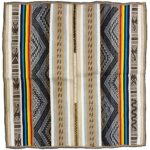
Why Handmade Peruvian Ponchos Are Truly Unique
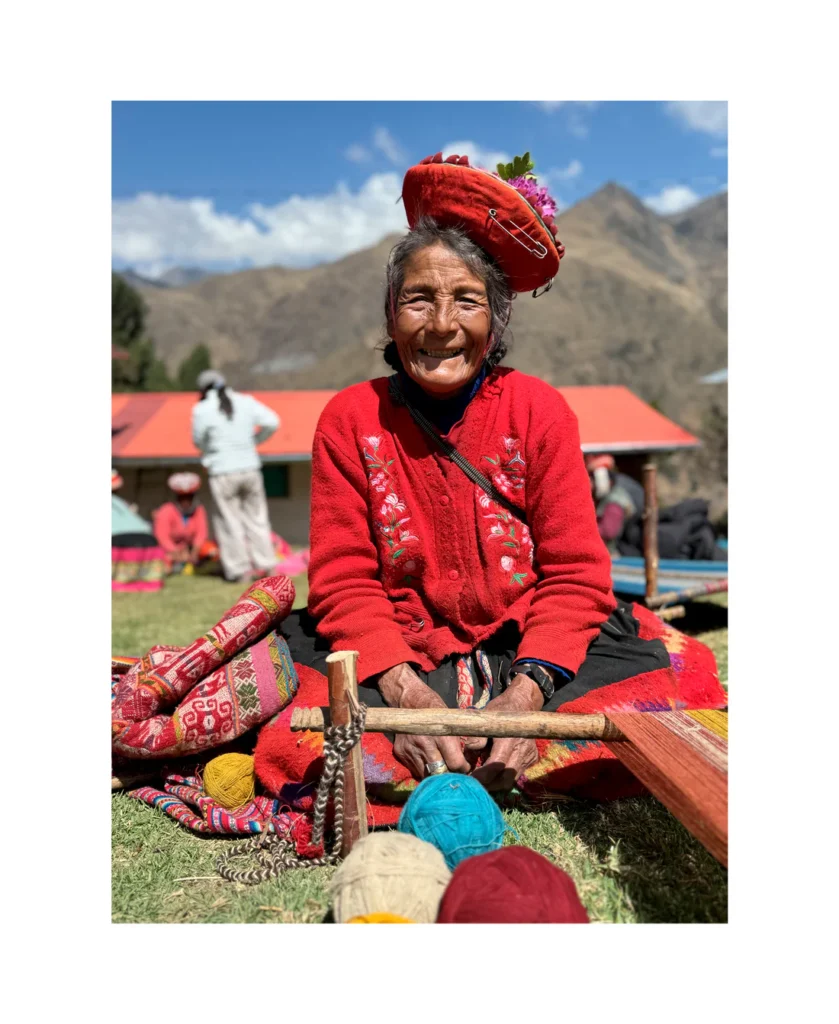
In a world dominated by fast fashion and mass production, handmade textiles represent something increasingly rare: authenticity, heritage, and human connection. Every handcrafted poncho carries a story woven by skilled artisans whose knowledge has been passed down through generations in the Peruvian Andes.
At Sacred Loom Peru, we believe fashion should be more than a trend. It should reflect culture, identity, sustainability, and respect for the people behind each creation.
The Beauty of One-of-a-Kind Craftsmanship
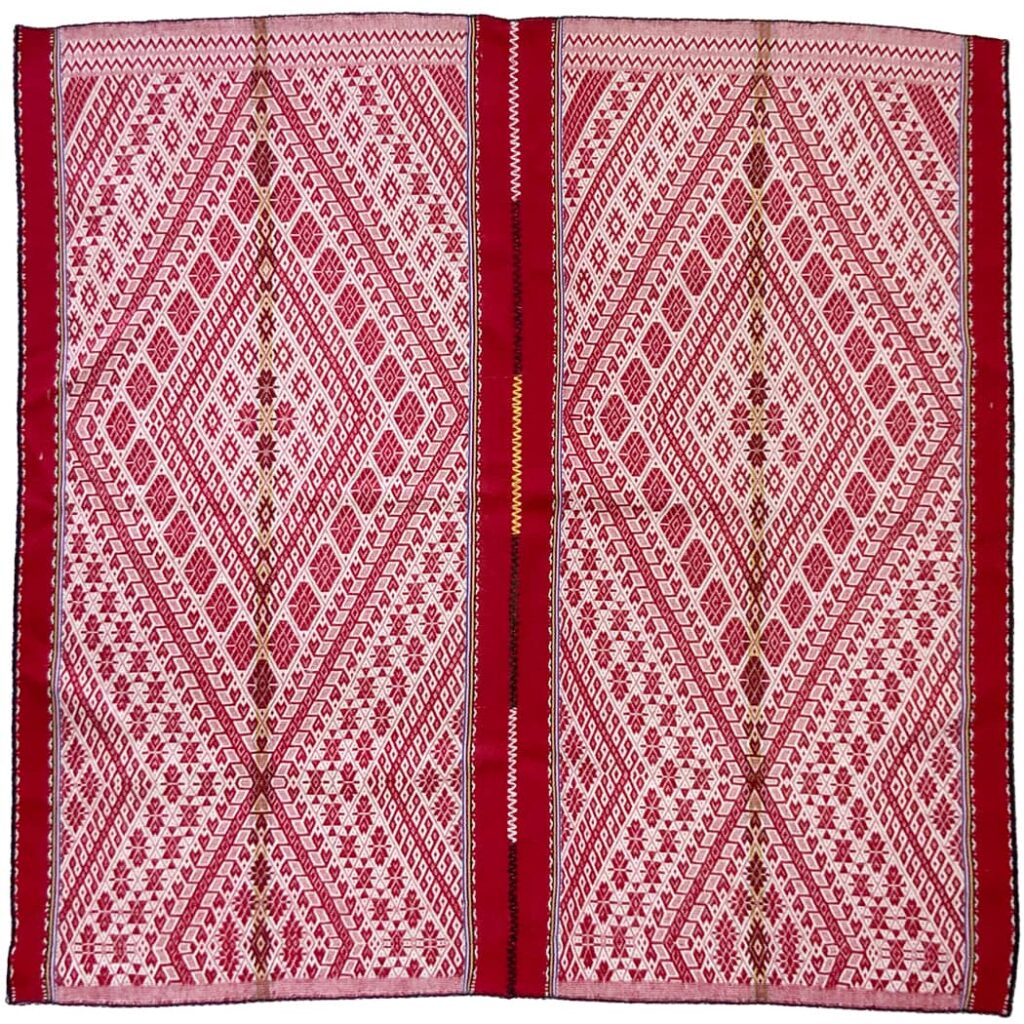
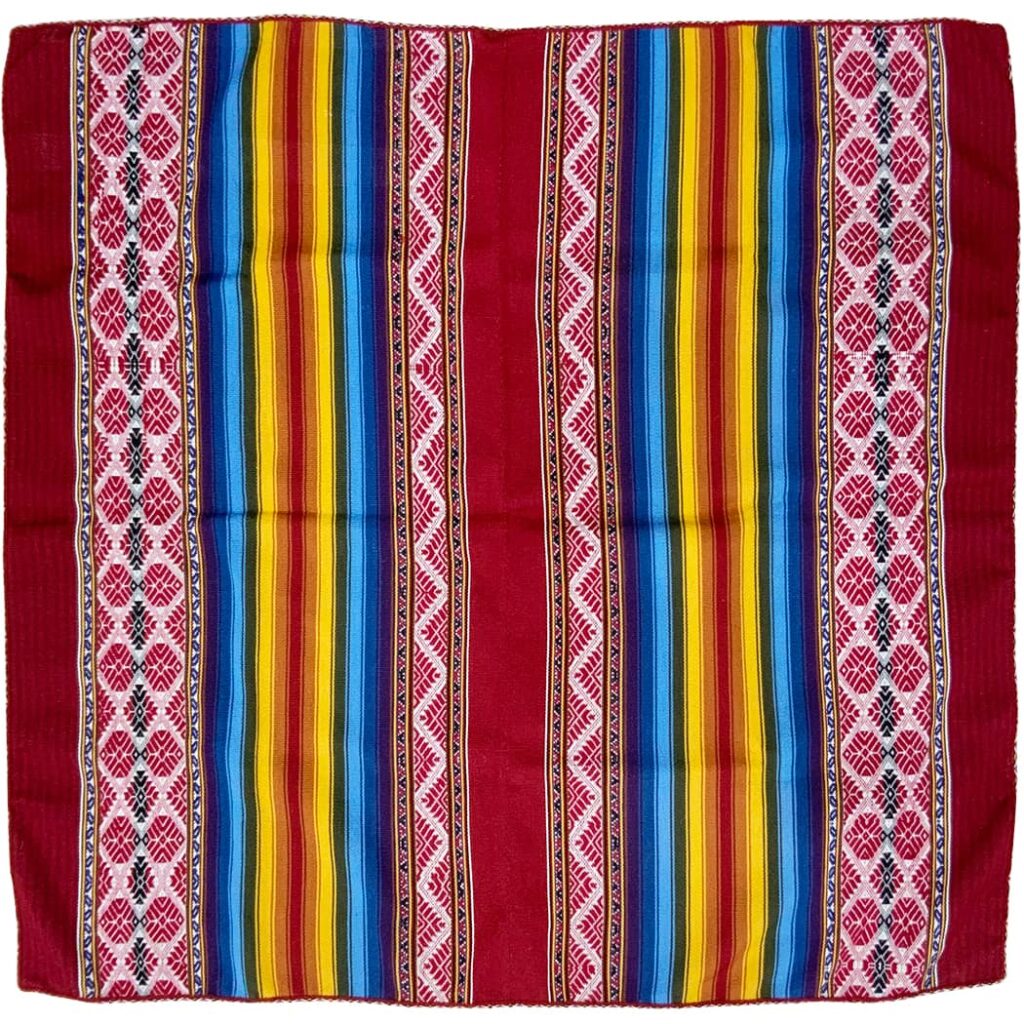
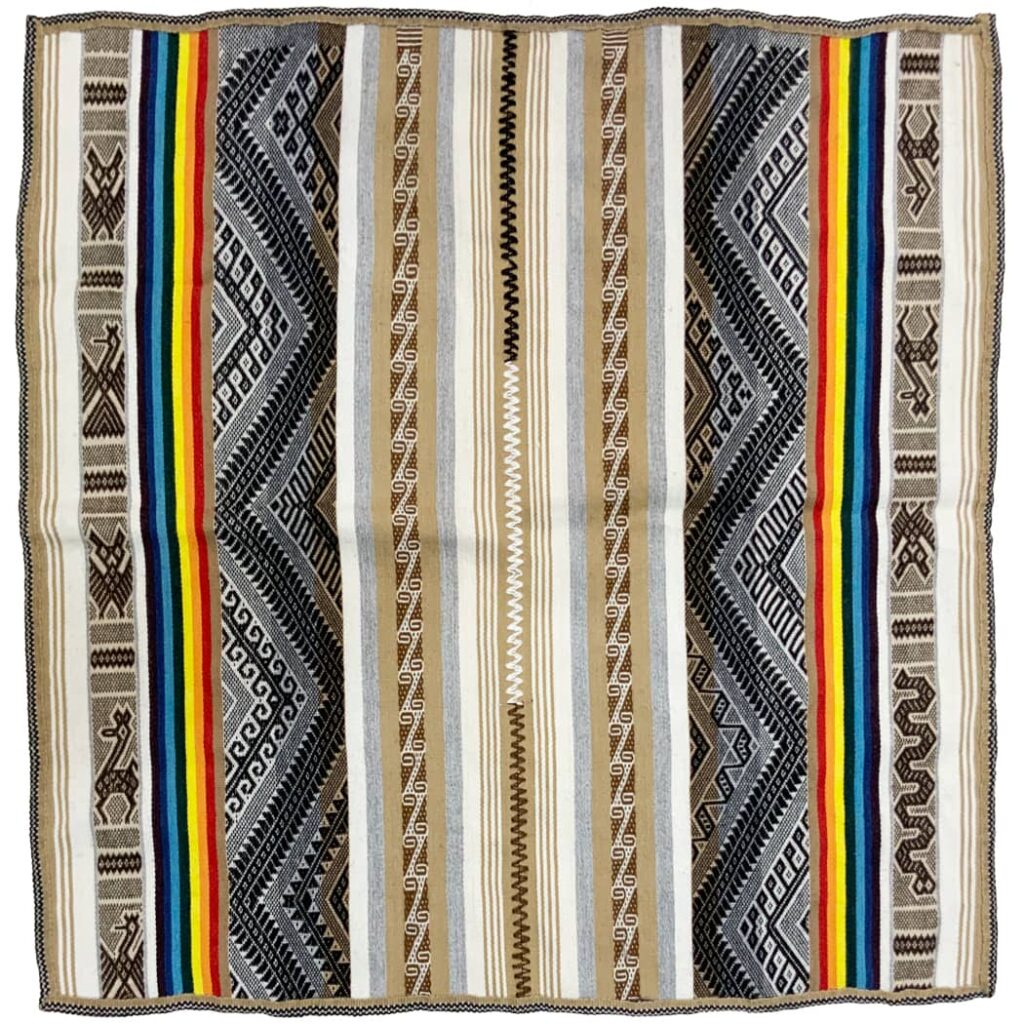
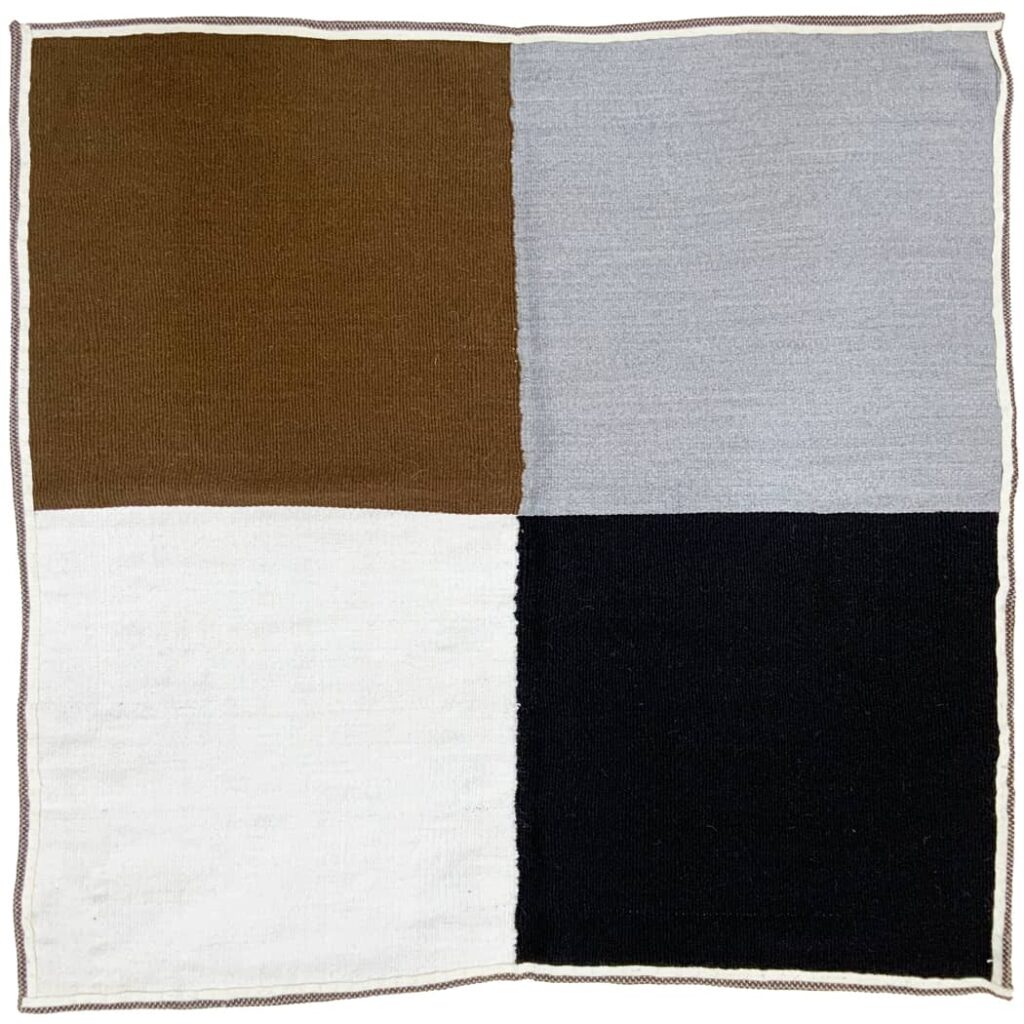
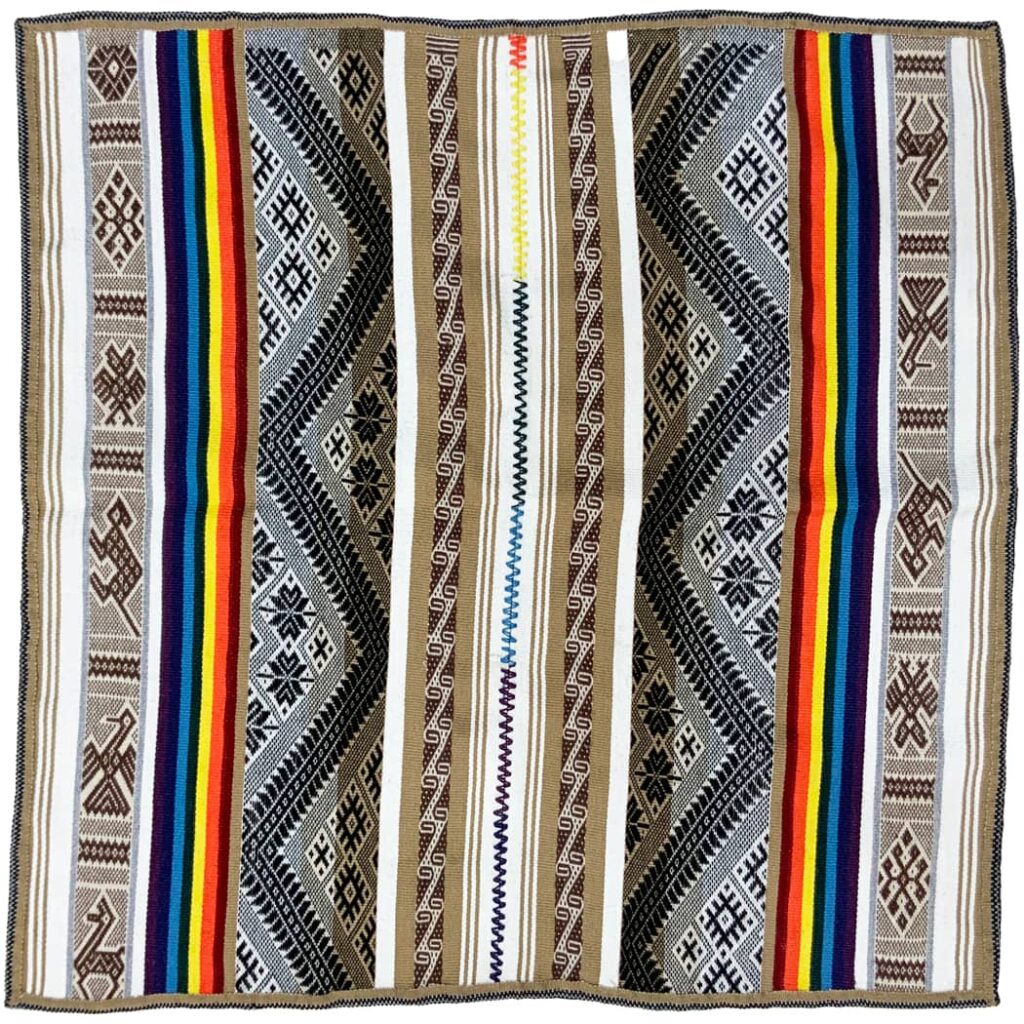
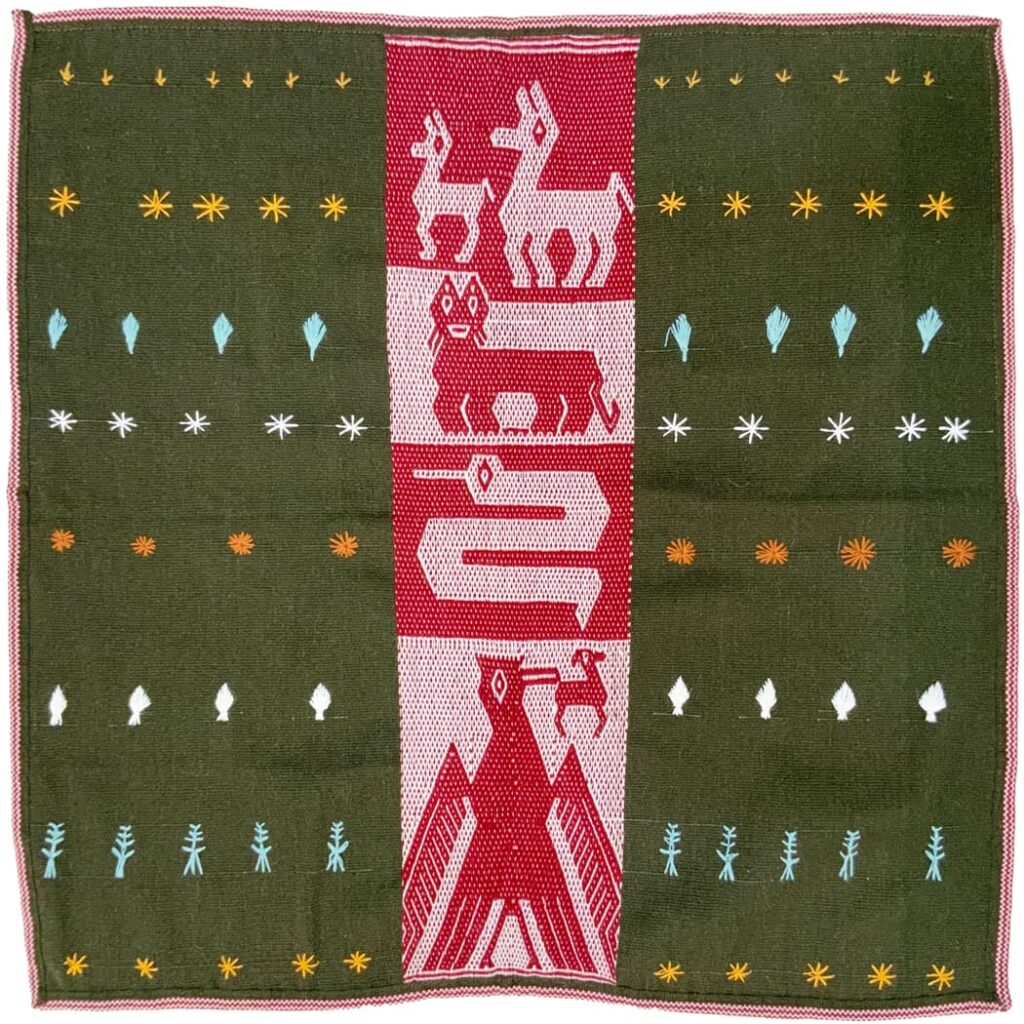
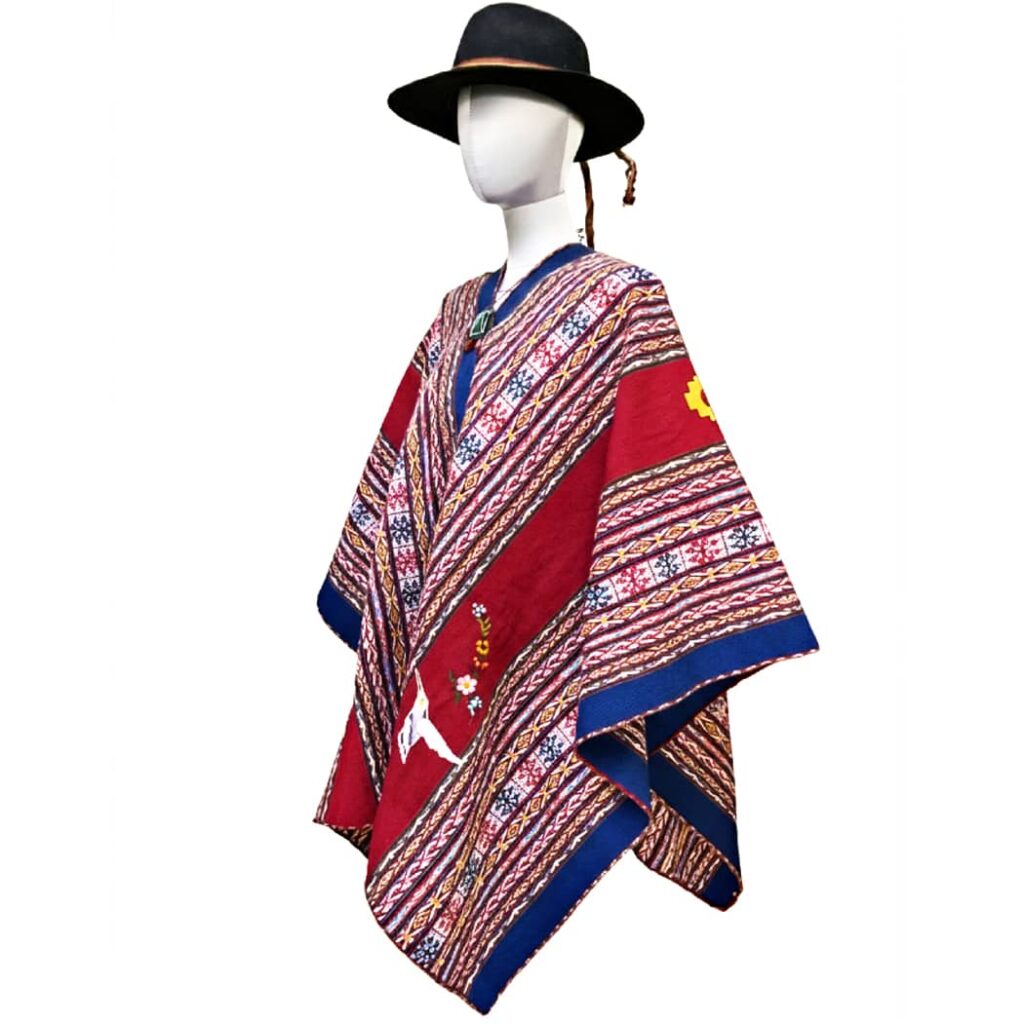
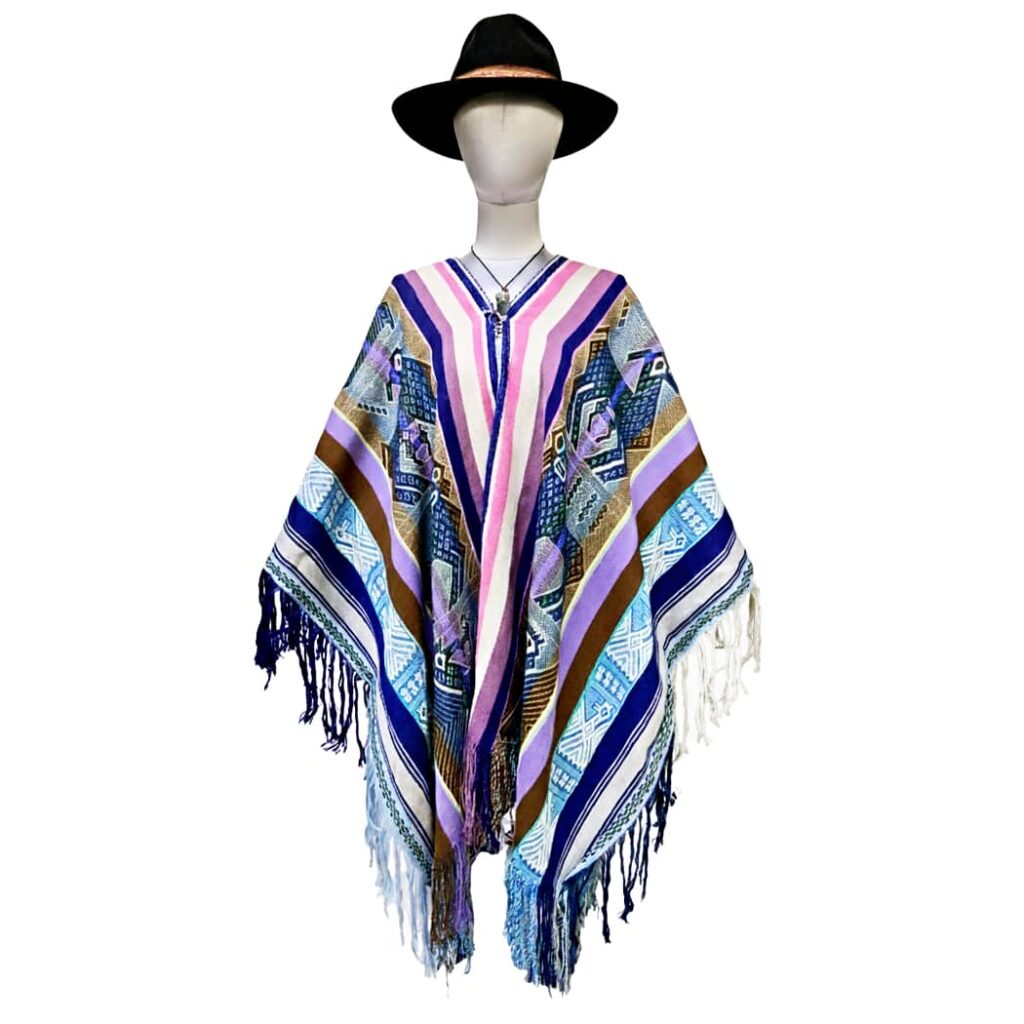
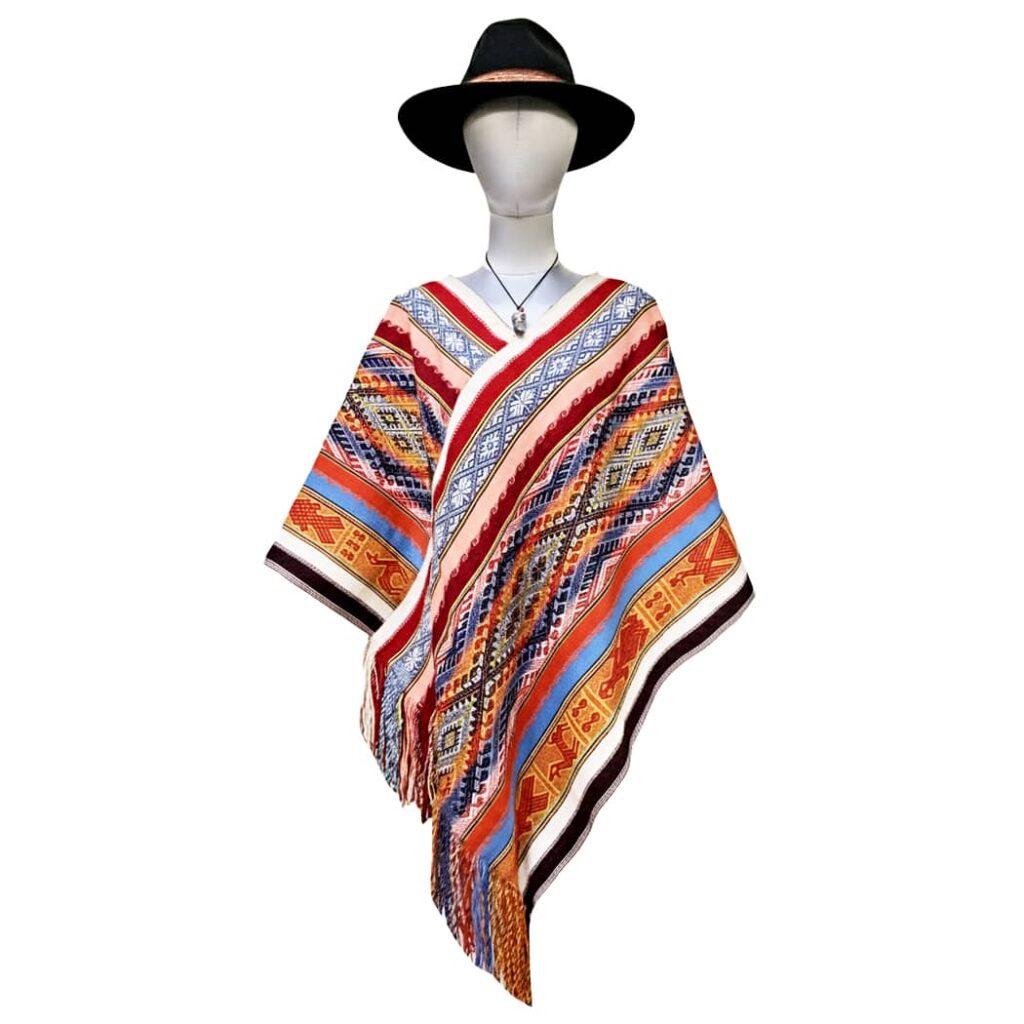
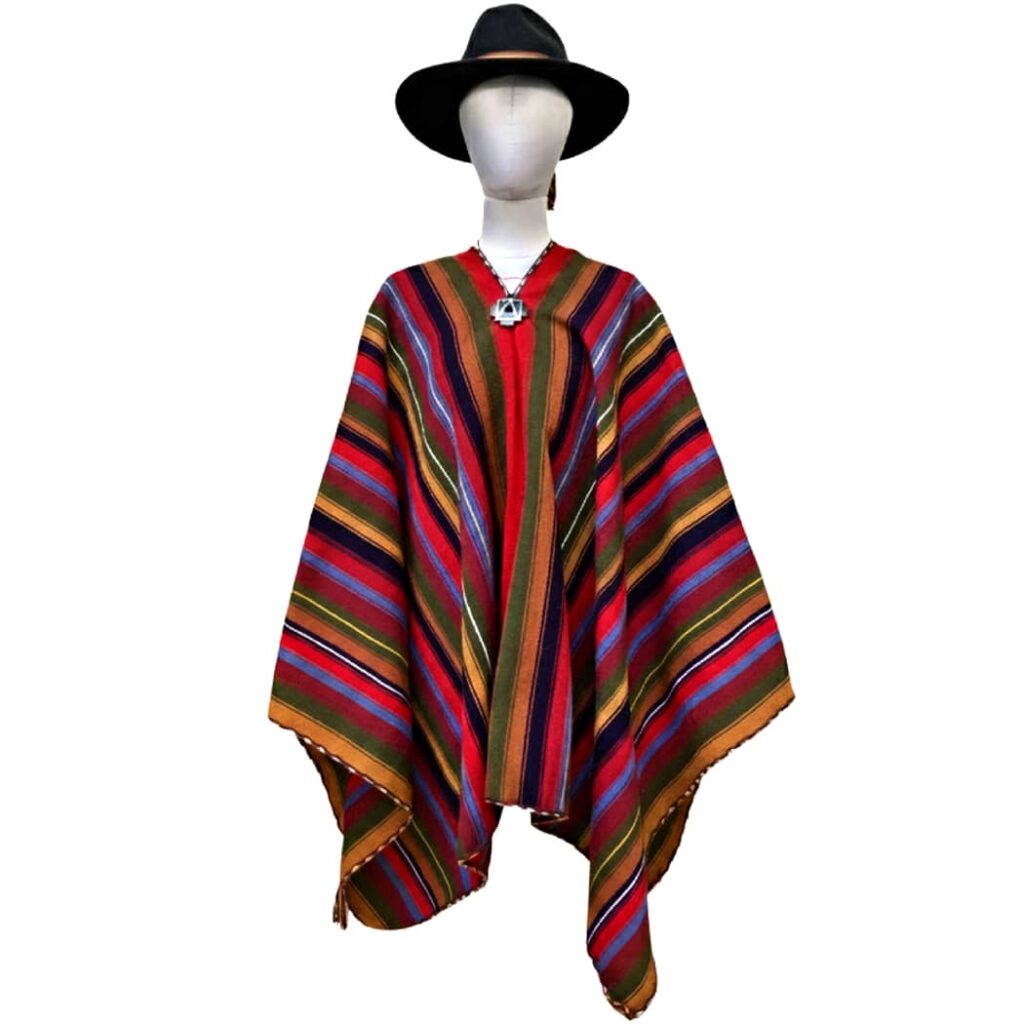
No two handmade ponchos are exactly the same. Unlike factory-made clothing, each artisan piece carries the personal touch of the weaver who created it. Every thread, texture, and pattern reflects creativity, tradition, and emotion.
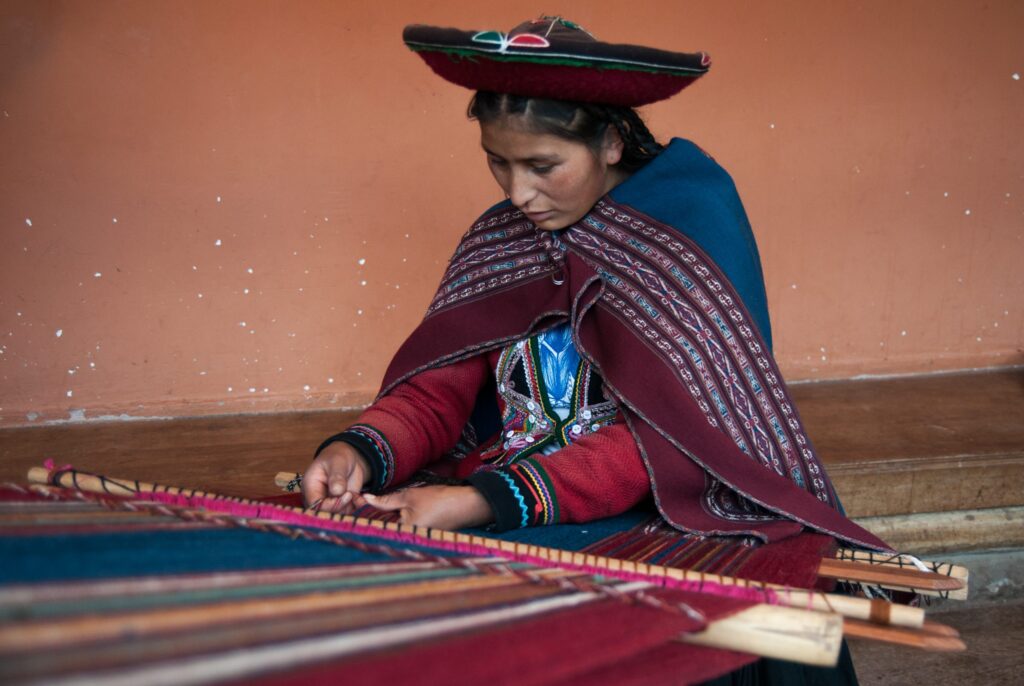
In the Andean communities of Cusco and Chinchero, weaving is not simply a craft — it is a living cultural expression. Traditional patterns and symbols often represent mountains, rivers, stars, animals, and elements of daily life in the Andes. These ancestral designs preserve centuries of history and spiritual connection with nature.
When you wear a handmade Peruvian poncho, you are not just wearing clothing. You are carrying a piece of Andean culture and supporting traditions that continue to thrive through artisan communities.
Handmade vs Mass Production
Fast fashion focuses on speed and quantity. Handmade fashion focuses on quality, detail, and meaning.
A machine can produce hundreds of garments in a day, but a handcrafted poncho may take days or even weeks to complete. This slower process allows artisans to dedicate time and care to every detail, resulting in a product designed to last for years rather than a single season.
The difference can be felt in:
- the quality of the fibers
- the durability of the fabric
- the uniqueness of the patterns
- the emotional value behind the piece
Each poncho becomes a timeless item rather than a disposable fashion product.
The Natural Luxury of Alpaca Wool
One of the reasons Peruvian ponchos are admired worldwide is the exceptional quality of alpaca wool. Sourced from the high Andes, alpaca fiber is known for being:
- incredibly soft
- lightweight yet warm
- durable
- hypoallergenic
- naturally sustainable
At Sacred Loom Peru, many pieces are crafted using natural alpaca and sheep fibers combined with traditional weaving techniques preserved for generations.
Unlike synthetic materials used in industrial fashion, natural fibers are biodegradable and environmentally responsible, making them a conscious choice for sustainable fashion lovers.
Sustainability Rooted in Tradition
Artisanal fashion has always embraced sustainability long before it became a global trend.
Traditional Andean weaving uses natural materials, small-scale production, and techniques that minimize environmental impact. Many artisans still use natural dyes extracted from plants, flowers, roots, and minerals found in the Andes.
By choosing handmade products, consumers support:
- slow fashion
- ethical production
- reduced industrial waste
- preservation of traditional craftsmanship
Every purchase contributes to a more sustainable and human-centered fashion industry.
Supporting Artisan Communities in Peru
Behind every handmade poncho is an artisan, a family, and a community whose livelihood depends on preserving traditional textile art.
At Sacred Loom Peru, we proudly support local Andean artisans by helping share their work with the world while preserving their cultural identity and ancestral knowledge.
Choosing handmade products means supporting fair opportunities for weaving communities in the Peruvian highlands and helping future generations continue these traditions.
More Than Fashion — A Cultural Legacy
Handmade Peruvian ponchos are more than beautiful garments. They are symbols of history, resilience, creativity, and connection to the Andes.
In a fast-moving world, handcrafted fashion invites us to appreciate the value of time, craftsmanship, and authenticity. Every poncho tells a story that cannot be replicated by machines — a story woven by hand in the heart of Peru.