What Is a Mestana? Meaning, Uses & Andean Tradition
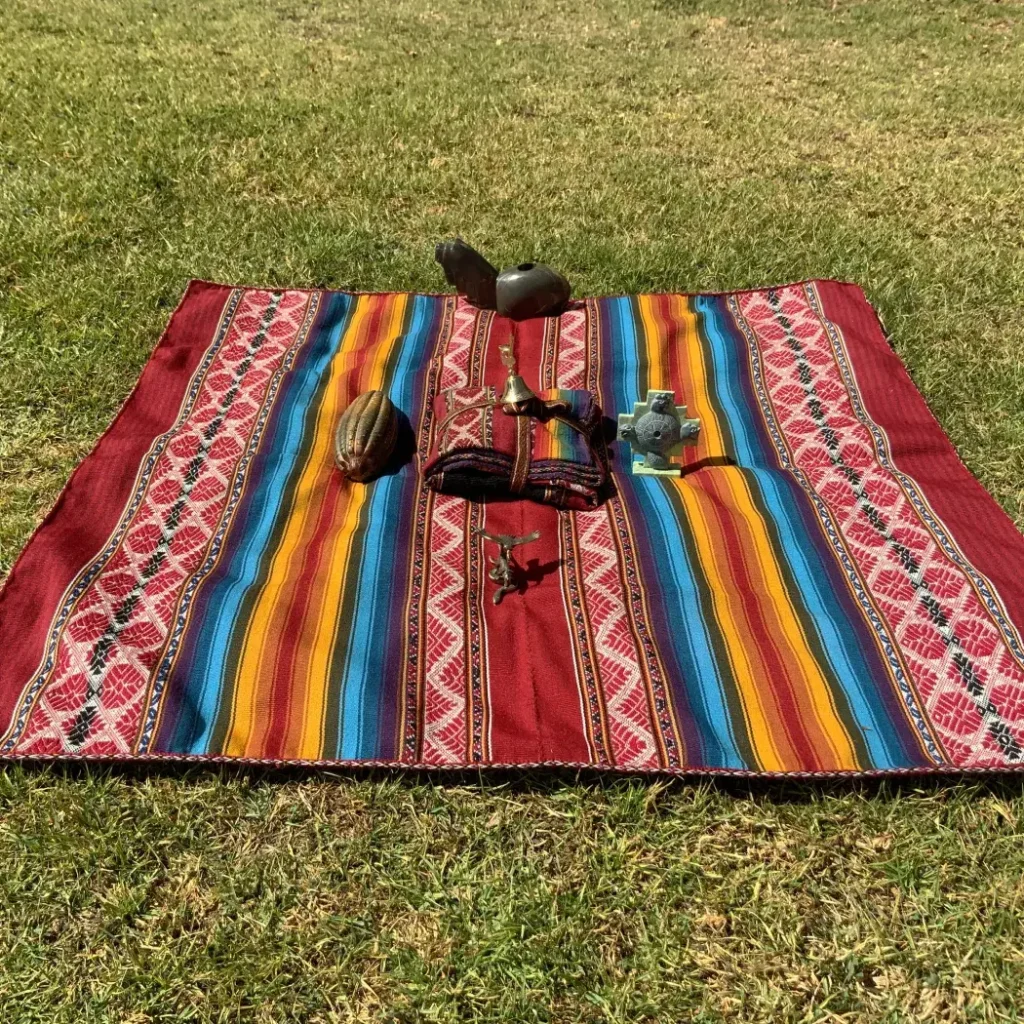
A mestana is a traditional Andean woven cloth with both practical and cultural importance. These textiles have been used for generations in communities across the Peruvian Andes, especially in places where weaving continues to be part of everyday life and local tradition.
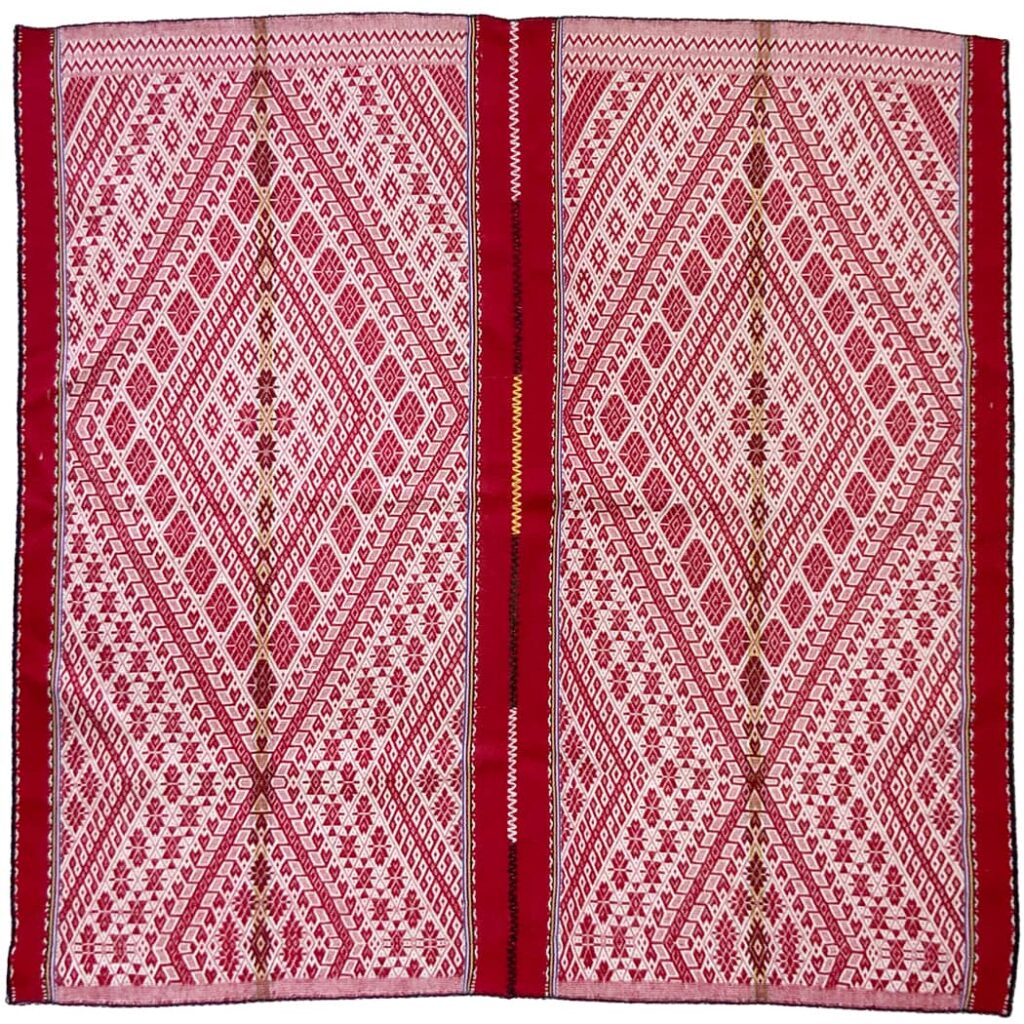
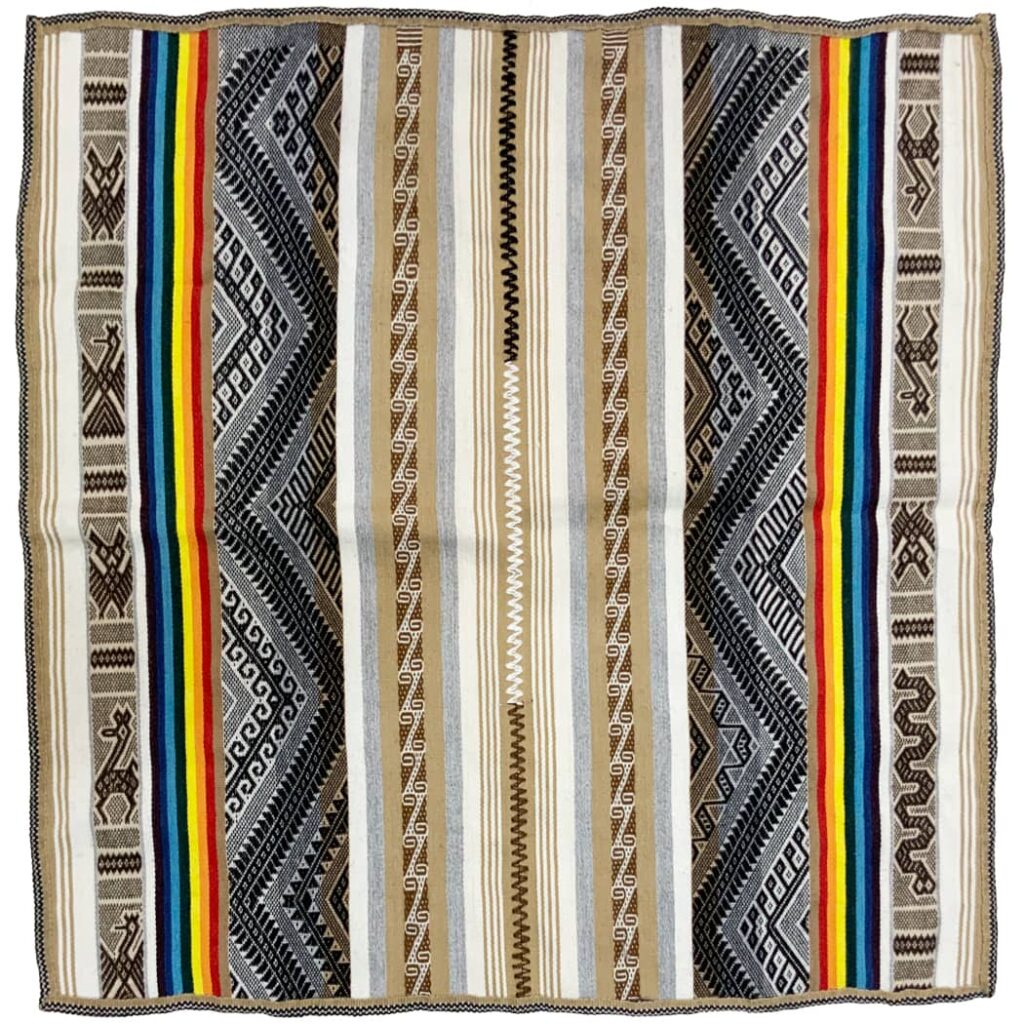
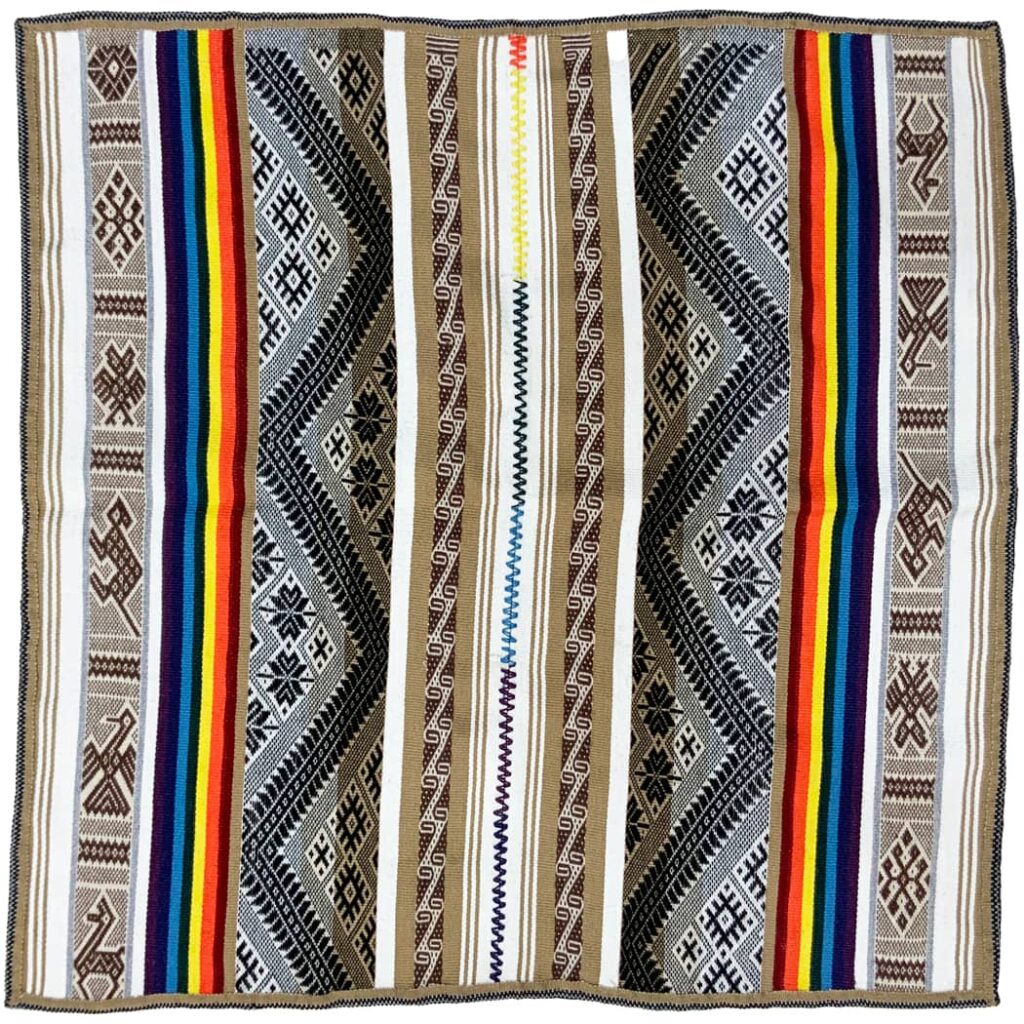
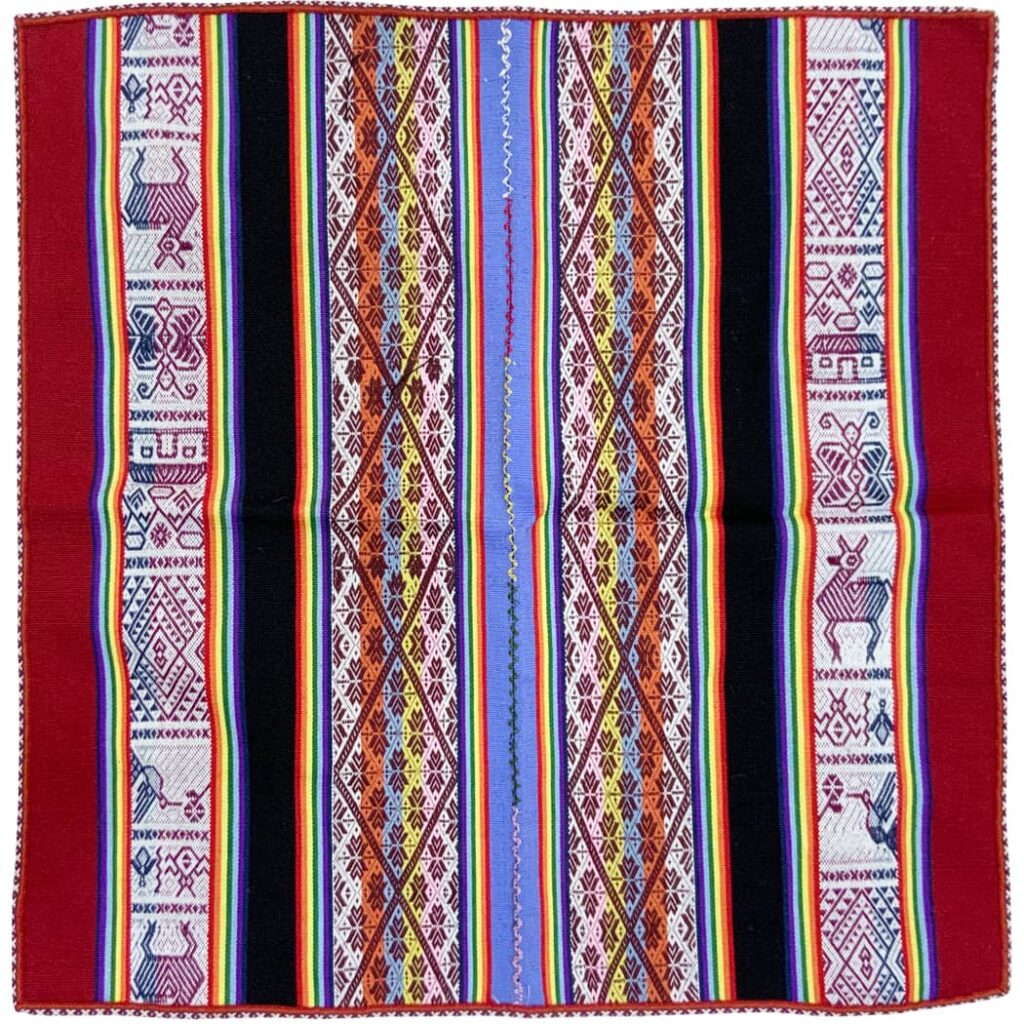
Mestanas are often recognized by their colorful patterns, geometric designs, and handwoven texture. Some are used for daily purposes, while others may be connected to ceremonial practices, family traditions, or the preparation of an Andean mesa.
Although the word may be unfamiliar to many travelers, the textile itself represents an important part of Andean weaving culture.
What Is a Mestana?
A mestana is a woven textile traditionally made by Andean artisans using techniques that have been passed down through generations.
Depending on the community and its intended use, a mestana may be made from alpaca wool, sheep wool, or a combination of natural fibers. Some modern pieces may also include other materials.
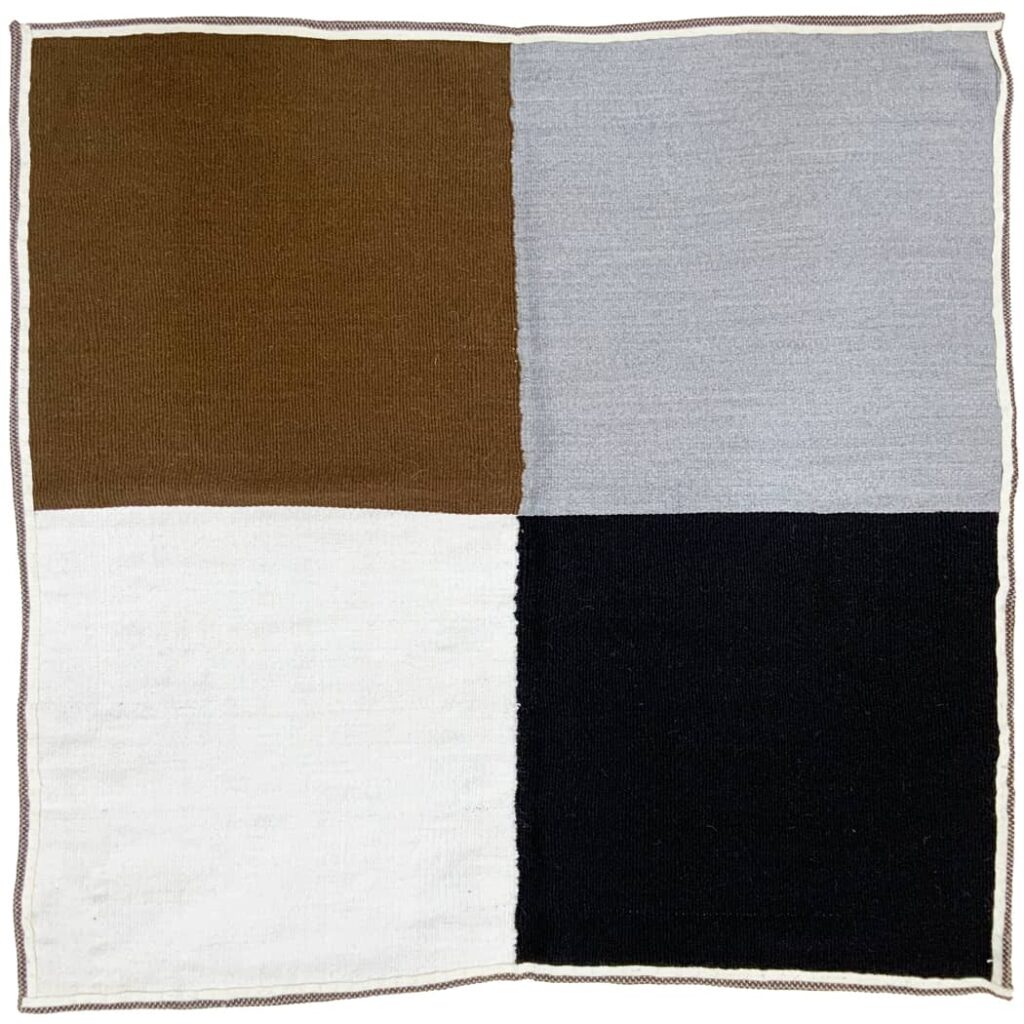
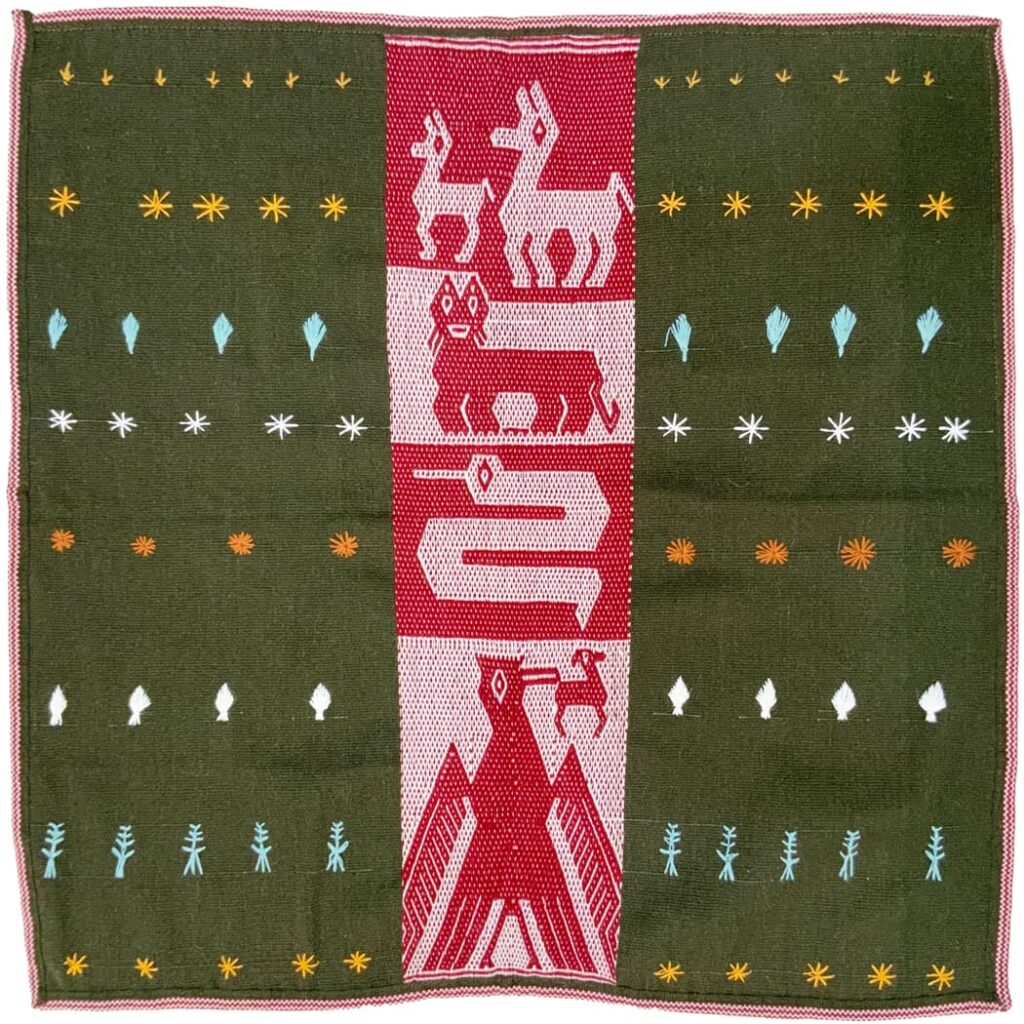
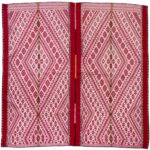
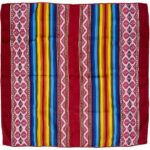
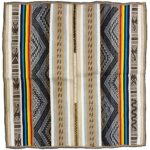
The cloth is usually rectangular or square and can feature detailed woven patterns inspired by the natural environment, local communities, animals, mountains, agricultural landscapes, and traditional Andean symbols.
Because weaving styles vary from one region to another, no two handmade mestanas are exactly the same.
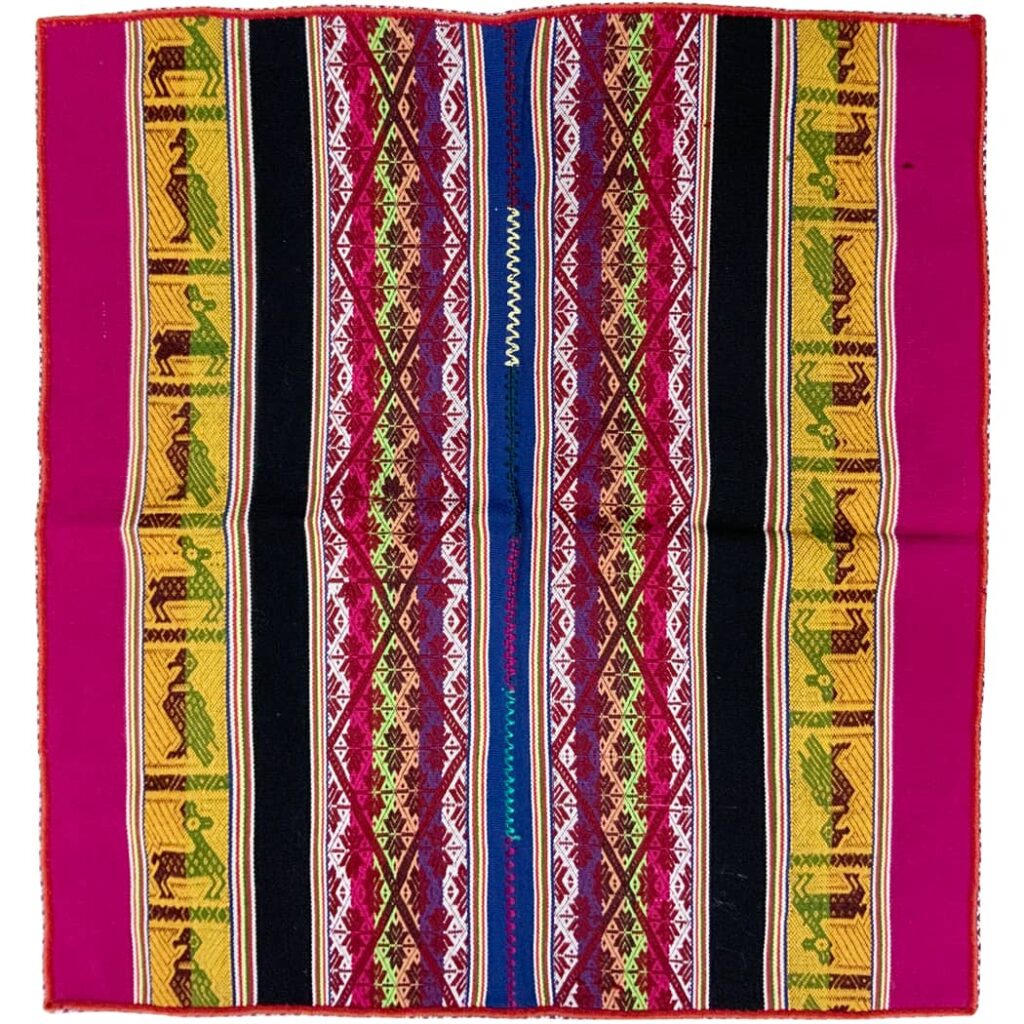
Is a Mestana the Same as a Mesa Cloth?
The terms “mestana” and “mesa cloth” are often used together, especially outside Peru, but they do not always describe exactly the same concept.
A mestana is the traditional woven textile itself.
A mesa cloth generally refers to a textile used as part of an Andean mesa, altar, ceremonial arrangement, or sacred bundle.
For this reason, a mestana can sometimes be used as a mesa cloth, but not every mestana is necessarily made only for ceremonial purposes.
You may also see different spellings such as mestana or mastana depending on the region, translation, or seller.
What Is a Mestana Used For?
Mestanas have traditionally had several uses in Andean communities.
Some are practical objects used for wrapping or carrying personal belongings, food, textiles, or other items. In rural communities, woven cloths have long been part of everyday life because they are strong, reusable, and easy to carry.
Other mestanas may have a more symbolic or ceremonial purpose.
They can be used to hold meaningful objects, create a special space for a ceremony, or serve as part of an Andean mesa.
Today, people may also use mestanas as:
- altar cloths
- decorative textiles
- wall hangings
- table coverings
- meditation cloths
- textile art
- ceremonial cloths
- meaningful handmade gifts
The way a mestana is used often depends on the person, family, or tradition connected to it.
The Mestana in Andean Tradition
Textiles have played an important role in Andean societies for centuries.
In the Andes, weaving is not simply a decorative craft. Textiles can communicate identity, community, family tradition, geography, and local knowledge.
Colors, materials, and woven patterns can vary between villages and regions, making each textile part of a wider cultural tradition.
In some Andean spiritual practices, a mestana may also be used during ceremonies connected with Pachamama, the earth, the mountains, or other elements of the natural world.
These traditions can be different from community to community, so there is no single meaning or ceremonial use shared by every mestana.
What Do the Patterns on a Mestana Mean?
One of the most distinctive elements of a mestana is its woven design.
Traditional Andean textiles often include geometric shapes, lines, diamonds, stepped forms, animals, plants, and patterns inspired by the surrounding landscape.
Some designs may represent ideas connected to:
- mountains
- rivers and water
- agricultural fields
- animals
- stars
- plants
- community life
- family traditions
However, it is important not to give every symbol a fixed universal meaning.
The interpretation of a woven pattern can depend on the artisan, the community, the region, and the context in which the textile was created.
A design that has one meaning in one village may have a different interpretation somewhere else.
How Are Mestanas Made?
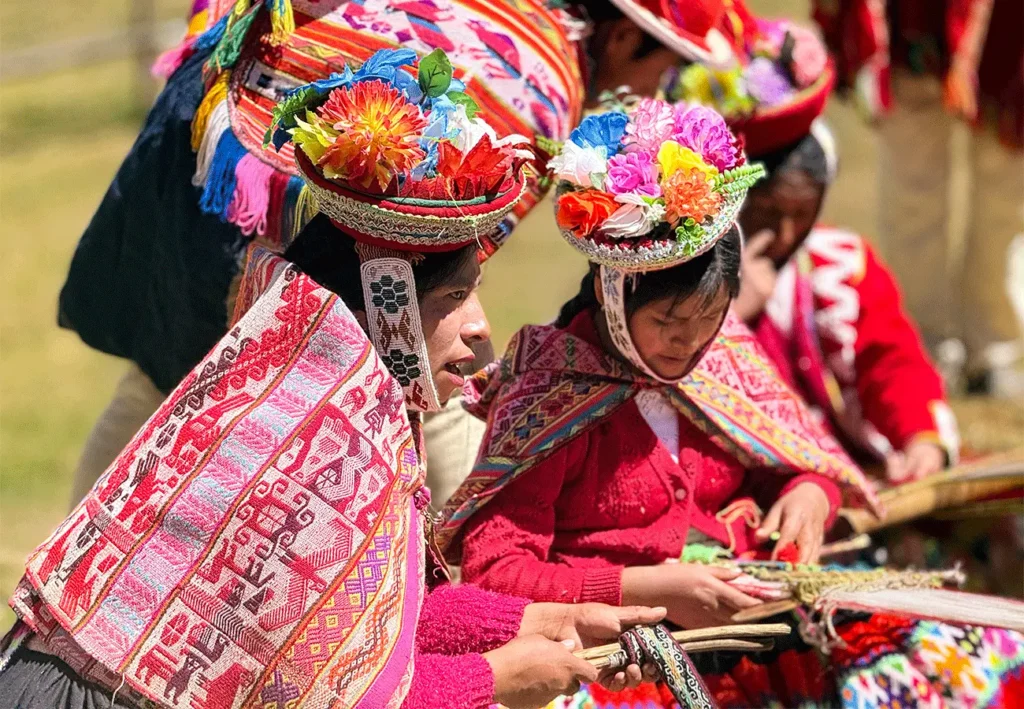
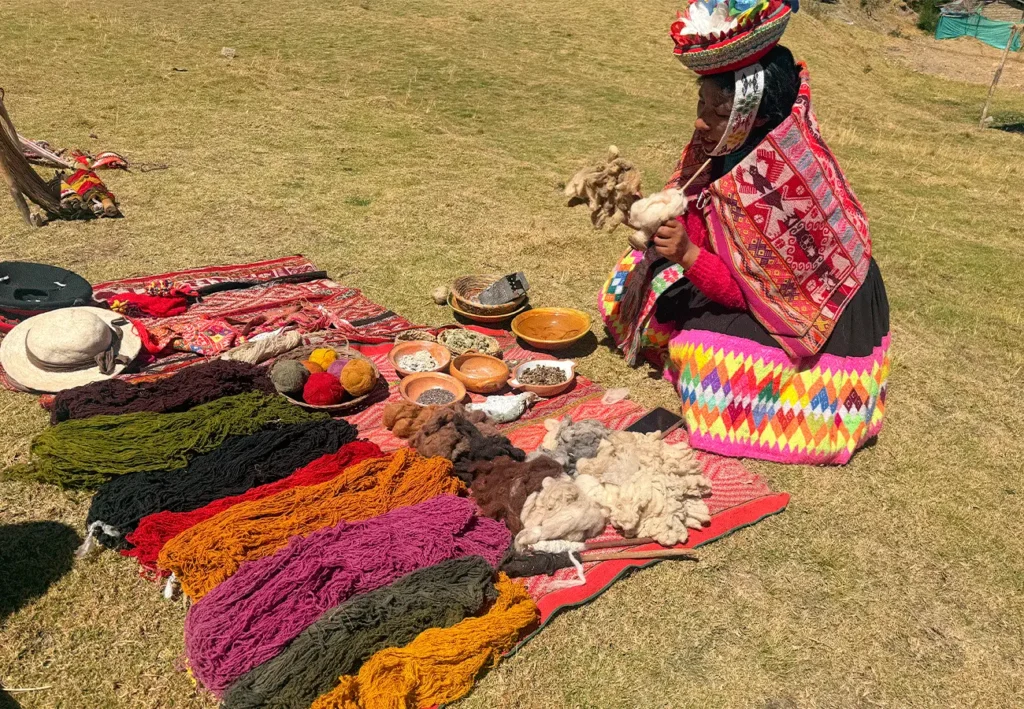
Traditional mestanas are created through a weaving process that can involve many different stages.
The exact method depends on the artisan and region, but it may include preparing the wool, spinning the fibers, dyeing the yarn, setting up the loom, and carefully weaving the pattern.
Some artisans continue to use natural dyes obtained from plants, flowers, roots, insects, minerals, and other local materials.
The weaving itself can take considerable time, especially when the textile includes detailed patterns.
This is one reason handmade mestanas can have small variations in color, texture, and design.
These variations are not necessarily imperfections. They are often part of the character of a handmade textile.
Mestanas from Cusco and the Sacred Valley
Cusco and the Sacred Valley are well known for their textile traditions.
Communities such as Chinchero, Patacancha, Chahuaytire, and other villages continue to preserve different weaving techniques and designs.
Artisans in these areas often learn to weave from family members at a young age.
The techniques, patterns, and colors can reflect the identity of each community.
For travelers visiting Cusco, seeing how textiles are prepared and woven can provide a better understanding of the amount of work involved in creating a traditional piece.
Natural Dyes and Traditional Colors
Color is an important part of Andean textile design.
Before synthetic dyes became widely available, artisans created different colors using natural materials found in the local environment.
Depending on the ingredients and preparation method, natural dyes can produce shades of red, yellow, orange, green, brown, purple, and other colors.
Today, some weaving communities continue to preserve these traditional dyeing techniques.
Others may use a combination of natural and modern dyes.
When purchasing a mestana, it can be useful to ask how the textile was made and what materials were used.
Handmade Mestanas vs Machine-Made Textiles
Not every textile sold as an Andean-style cloth is handmade.
Some inexpensive products are produced by machines using patterns inspired by traditional weaving.
They can still be attractive decorative items, but they are different from textiles woven individually by artisans.
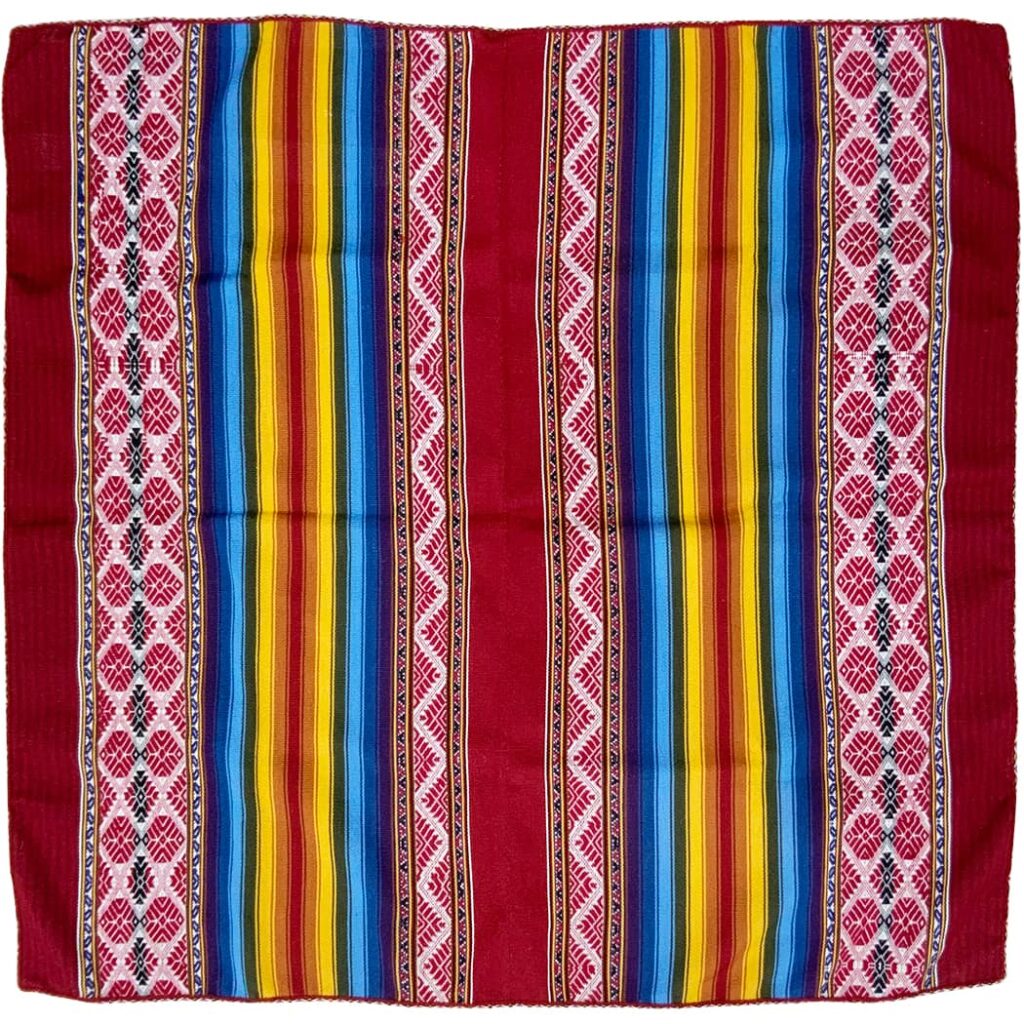
A handmade mestana will often show small differences in the weave, edges, pattern, or color.
You can also look for information about:
- where the textile was made
- who made it
- what type of fiber was used
- whether it was woven by hand
- how the colors were produced
This information helps provide a clearer picture of the origin of the piece.
How to Care for a Mestana
Because many mestanas are made from wool or natural fibers, they should usually be handled carefully.
Avoid washing them frequently in a washing machine, especially if the textile is handmade.
When cleaning is necessary, gentle hand washing with cold water may be more appropriate, depending on the material.
It is also advisable to avoid strong detergents and direct sunlight for long periods, as these can affect the fibers and colors.
For valuable or older textiles, professional textile cleaning may be the safest option.
Why Mestanas Continue to Be Important
Mestanas remain relevant because they connect traditional craftsmanship with everyday life, cultural memory, and artistic expression.
For artisans, weaving can also provide an important source of income while allowing traditional skills to continue within families and communities.
For buyers, a handmade mestana can be much more than a decorative object.
Understanding where it came from, who made it, and how it was woven helps give the textile greater context and meaning.
Frequently Asked Questions About Mestanas
What is a mestana?
A mestana is a traditional woven Andean textile. It may be used for practical, decorative, cultural, or ceremonial purposes.
What is a mesa cloth?
A mesa cloth is a textile used as part of an altar, Andean mesa, ceremonial arrangement, or sacred space. A traditional mestana may sometimes be used as a mesa cloth.
Are mestanas handmade?
Many traditional mestanas are handmade, but machine-made versions also exist. It is useful to check the product description or ask the seller about the production method.
What are mestanas made from?
Traditional mestanas may be woven from alpaca wool, sheep wool, or other fibers. Materials vary depending on the artisan and region.
Where are mestanas made?
Mestanas and similar woven textiles are produced in different regions of the Andes. Cusco and the Sacred Valley in Peru are particularly well known for their traditional weaving communities.
What do mestana patterns mean?
Patterns can reflect local landscapes, animals, agriculture, family traditions, or community identity. Meanings vary between regions and artisans, so not every symbol has one universal interpretation.
Discover Traditional Peruvian Mesa Cloths
If you are interested in learning more about traditional weaving, exploring handmade textiles can be a good way to appreciate the different materials, patterns, and techniques used by Andean artisans.
At Sacred Loom Peru, our collection includes handmade Peruvian mesa cloths and mestanas inspired by the textile traditions of the Andes.
When choosing a piece, we recommend looking beyond the colors and design and also considering its materials, place of origin, weaving technique, and the story behind the artisan who created it.