Baby Alpaca vs. Alpaca Wool: What’s the Difference?
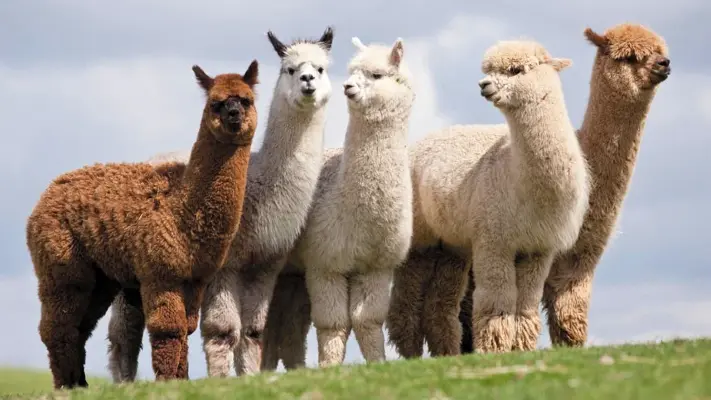
When shopping for high-quality Peruvian textiles, you will often see garments labeled as either “alpaca wool” or “baby alpaca.” At first glance, the difference might seem obvious—but the truth about these luxurious fibers often surprises people.
If you are wondering whether baby alpaca actually comes from young animals, or which type of wool is better for your next sweater or blanket, here is the complete guide to understanding the difference.
The Biggest Myth: It’s Not About Age
The most common misconception is that “baby alpaca” comes from a newborn or infant alpaca. In reality, baby alpaca is a grading term that refers to the fineness of the fiber, not the age of the animal.
While it is true that younger alpacas tend to produce finer fleeces, an adult alpaca with excellent genetics can also produce baby alpaca-grade wool. The grading is determined entirely by the thickness of the individual fibers, which is measured in microns (one-millionth of a meter).
The Core Difference: The Micron Count
The lower the micron count, the finer and softer the wool. Here is how the two compare:
- Baby Alpaca (19 to 22 microns): This fiber is sourced from the softest parts of the animal, typically the chest and back. Because the fibers are so fine, baby alpaca feels incredibly silky and is often compared to high-end cashmere. It is lightweight, incredibly warm, and gentle on even the most sensitive skin.
- Regular Alpaca Wool (23 to 26+ microns): Often labeled as “superfine” or standard alpaca, this wool has a slightly thicker diameter. While it is still much softer and warmer than standard sheep’s wool, it has more structure and durability than baby alpaca.
Softness vs. Durability
Both types of alpaca fiber share incredible natural properties: they are hypoallergenic (free of lanolin), moisture-wicking, water-resistant, and highly insulating. The choice between them comes down to how the item will be used.
When to Choose Baby Alpaca:
Because of its buttery-soft texture, baby alpaca is the ultimate choice for items that rest directly against your skin. It is perfect for:
- Scarves and shawls
- Lightweight sweaters
- Beanies and winter accessories
- Next-to-skin luxury garments
When to Choose Regular Alpaca Wool:
Regular alpaca fiber is stronger and more robust, making it ideal for items that require durability and structure while still providing immense warmth. It is perfect for:
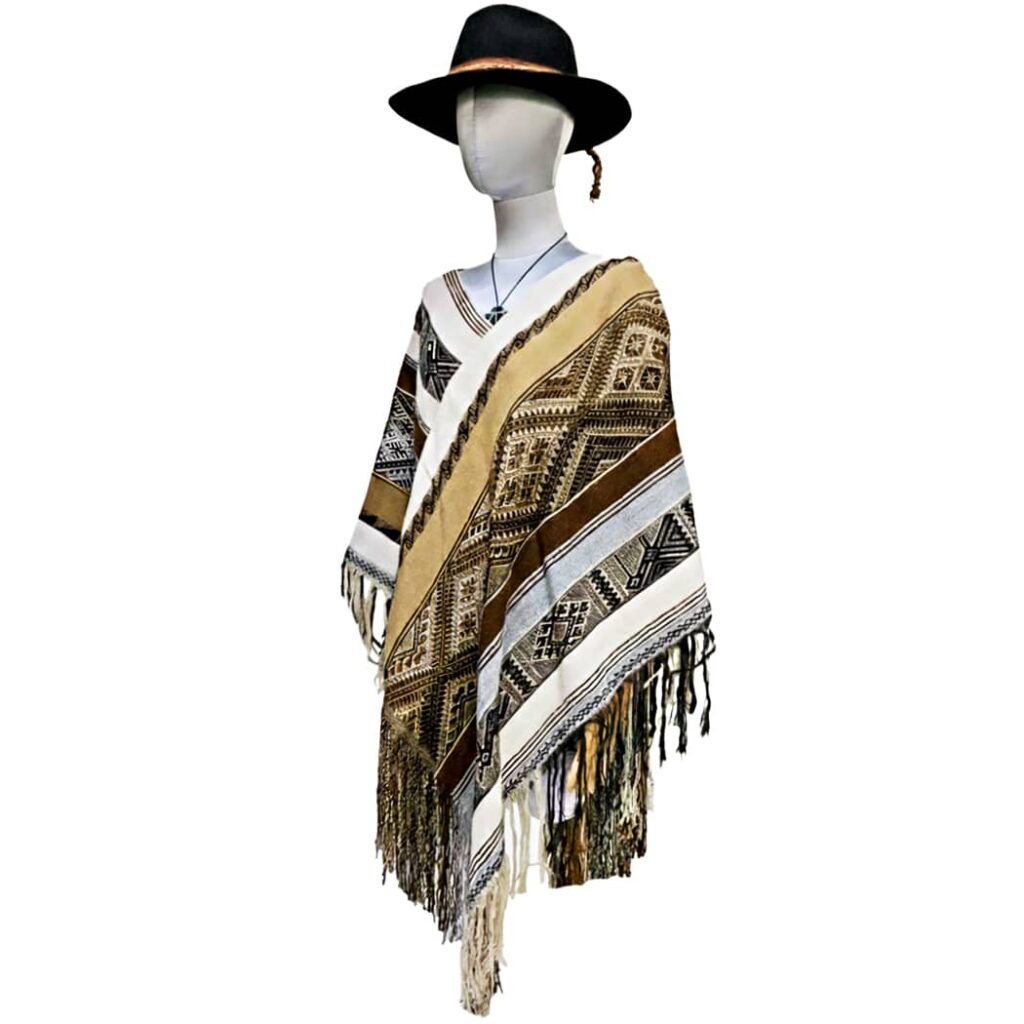
- Heavy winter coats and outerwear
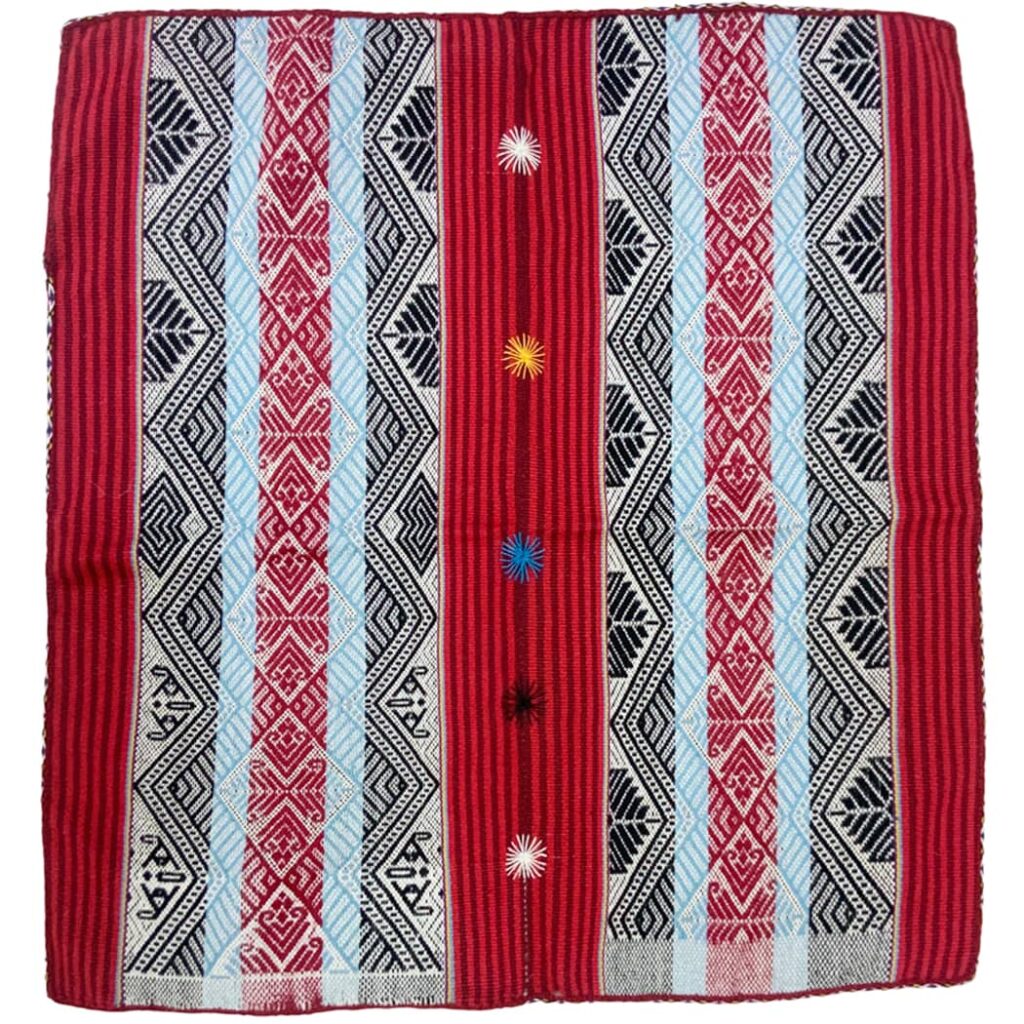
- Throw blankets and home décor
- Rugs and woven tapestries
- Everyday socks
Find Your Perfect Piece
From the delicate softness of baby alpaca to the rustic warmth of traditional wool, explore our curated collection of authentic Peruvian textiles.
Explore the CollectionExperience Authentic Peruvian Heritage
Whether you are wrapping yourself in the cloud-like softness of baby alpaca or the cozy warmth of a traditional alpaca blanket, you are experiencing a textile tradition that dates back thousands of years in the Andes.
At Sacred Loom Peru, we celebrate this ancient heritage by offering ethically sourced, expertly crafted pieces that showcase the very best of Andean textile artistry.