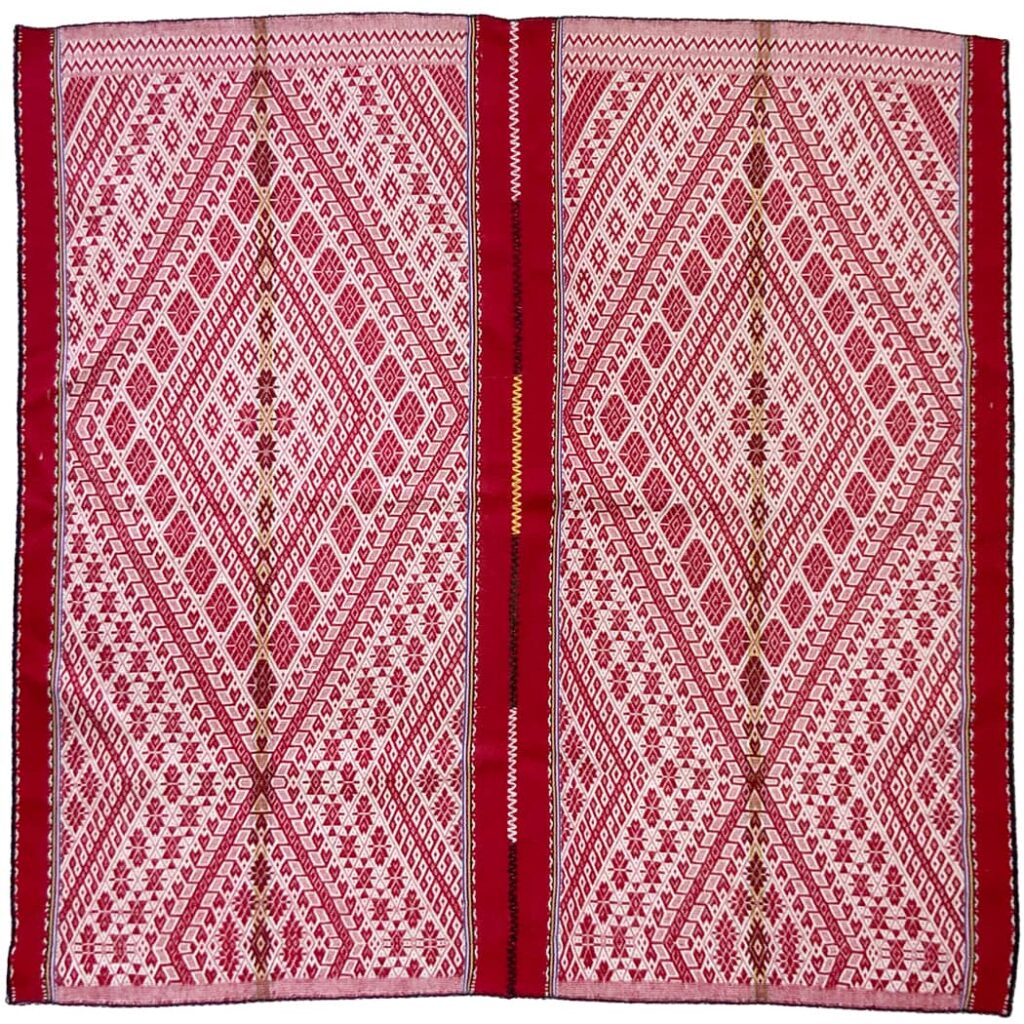
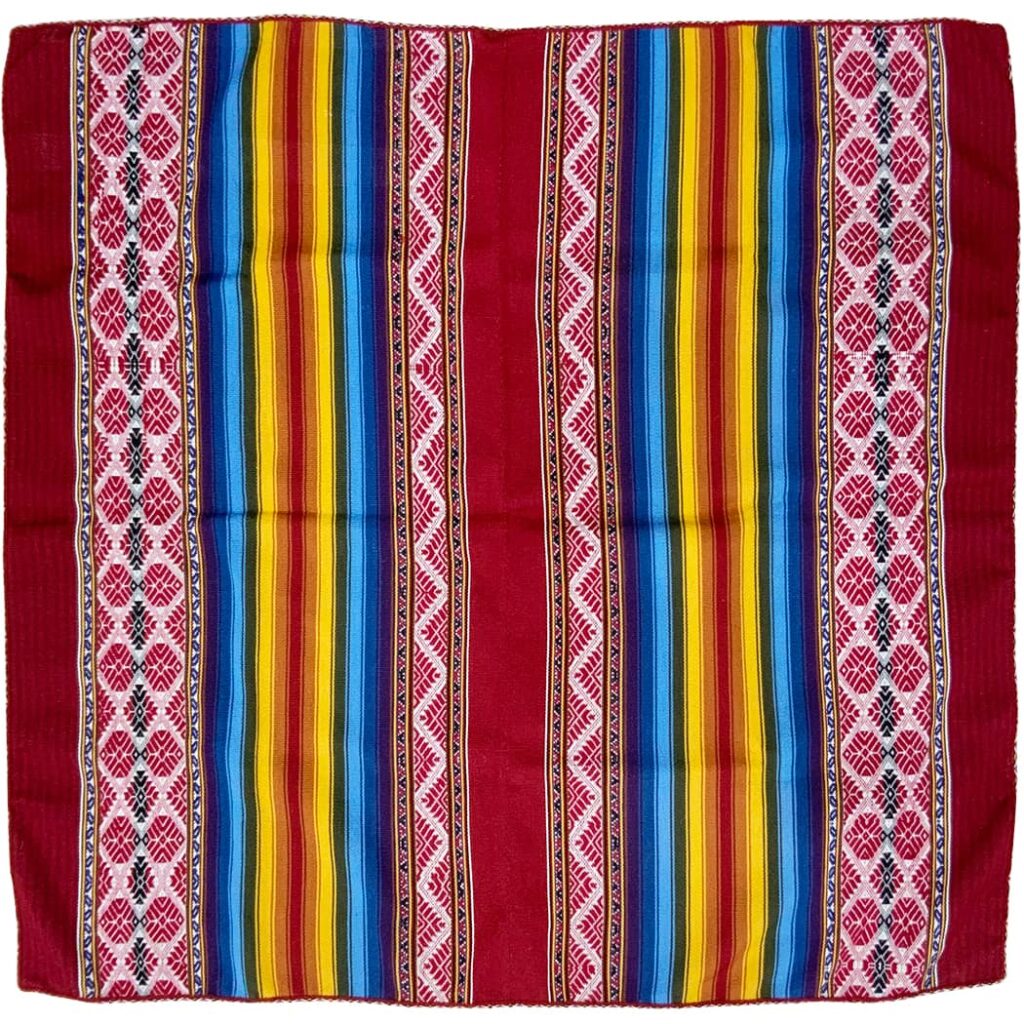
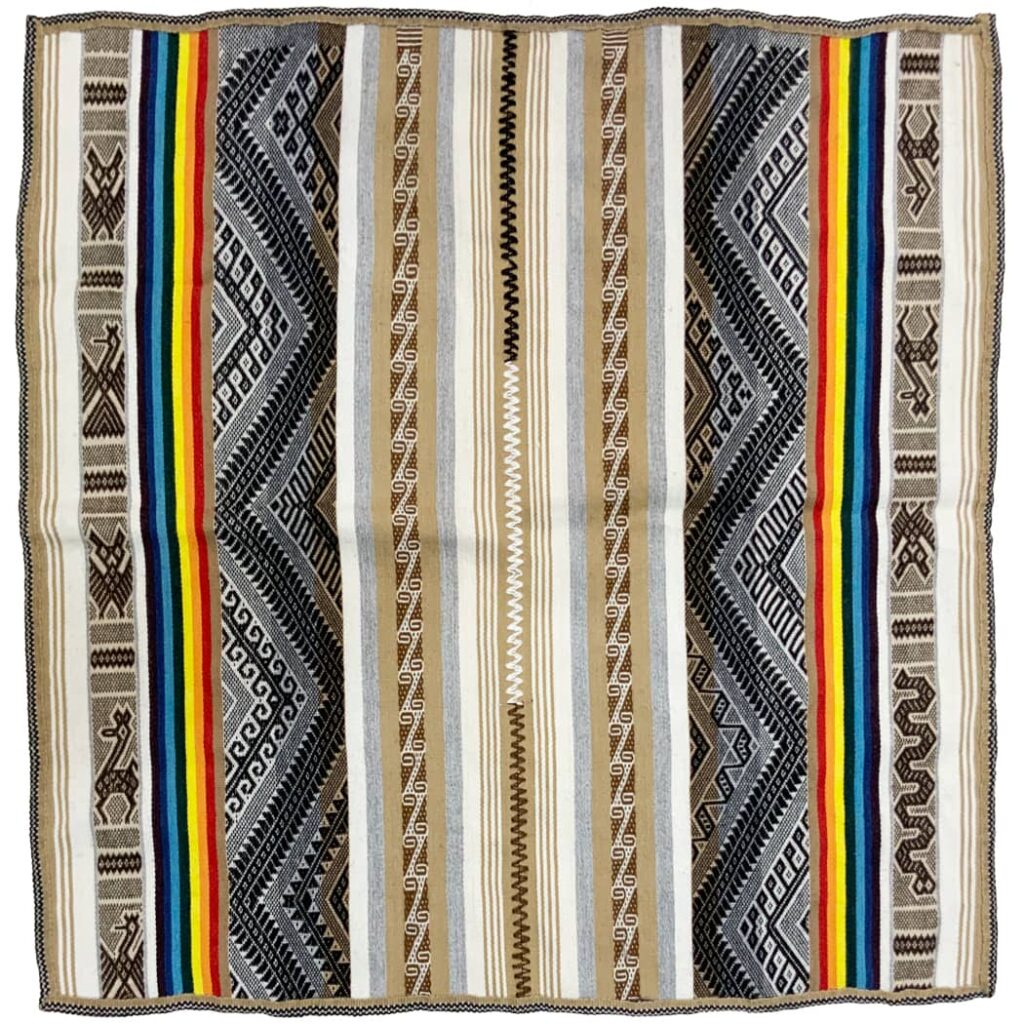
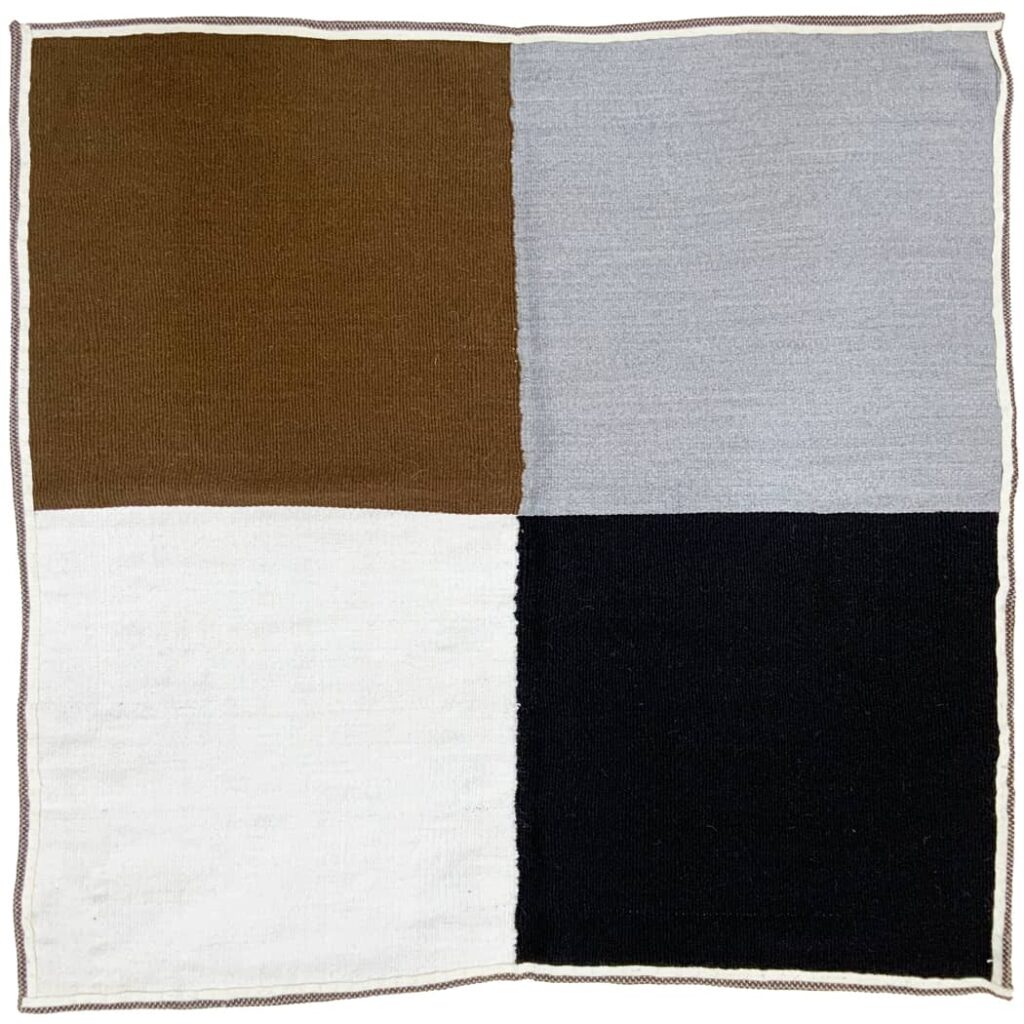
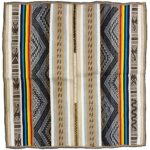
Traditional weaving techniques in Chinchero, Cusco
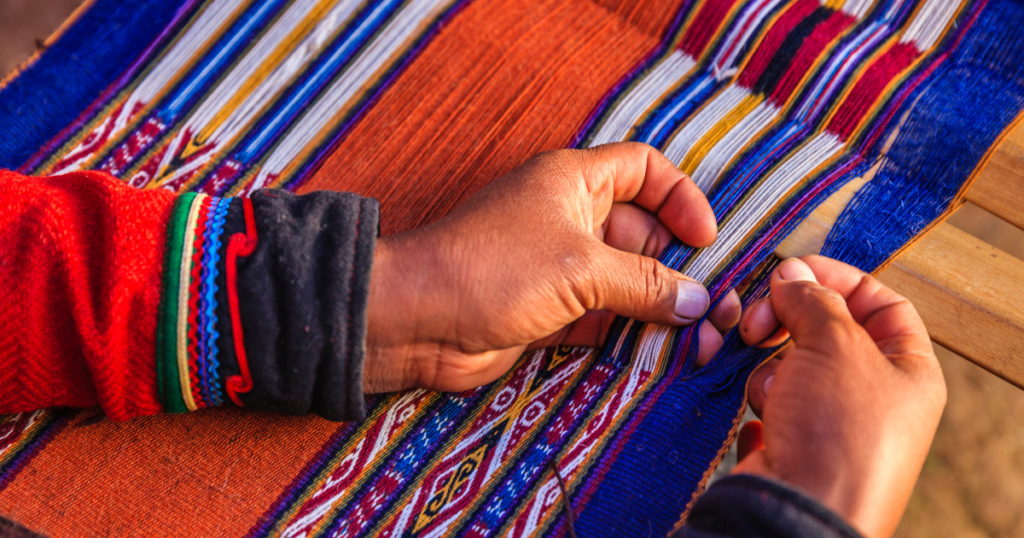
A Living Ancestral Legacy in the Andes
Located in the Sacred Valley of the Incas, the village of Chinchero is renowned for preserving one of Peru’s oldest textile traditions. Weaving here is not merely a craft but a cultural expression that has kept Andean identity alive since pre-Inca times.
Origins and Cultural Significance
Weaving techniques in Chinchero have their roots in the Inca civilization, where textiles were considered objects of great value, even more so than gold. They symbolized social status, belonging, and knowledge.
Today, these techniques continue to be passed down from generation to generation, preserving their authenticity and original meaning.
Raw materials: natural fibers
The process begins with the use of natural materials, primarily:
- Sheep’s wool
- Alpaca fiber
These fibers are sourced from animals raised in local communities, ensuring a sustainable and environmentally friendly process.
Natural Dyes and Traditional Techniques
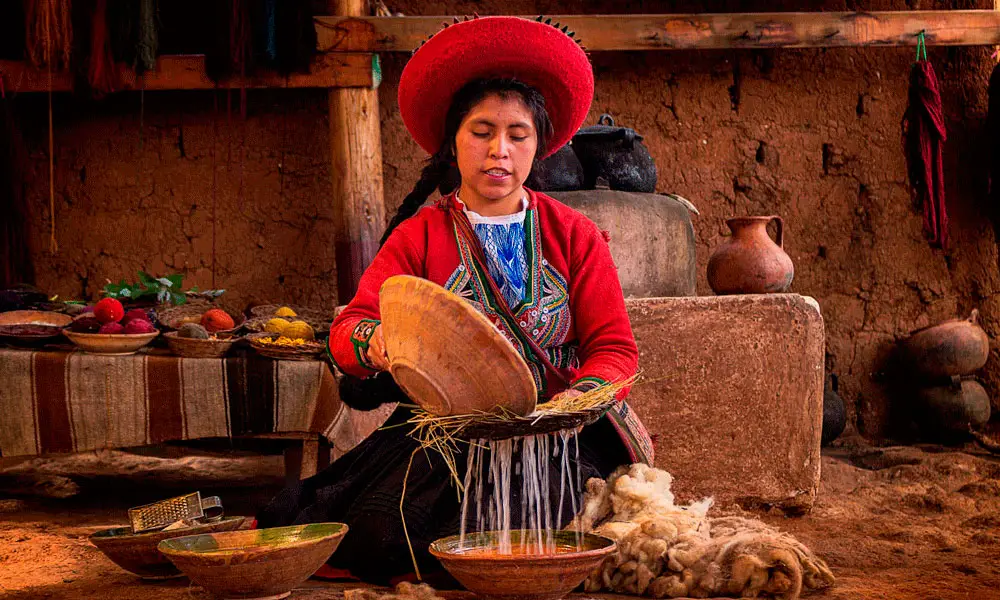
One of the most notable aspects of weaving in Chinchero is the use of natural dyes. Artisans gather materials from nature to produce a wide range of colors:
- Red: cochineal
- Yellow: Andean flowers
- Green: local plants
- Earth tones: bark and minerals
The dyeing process is entirely handmade and requires technical expertise passed down through generations.
Main Weaving Techniques
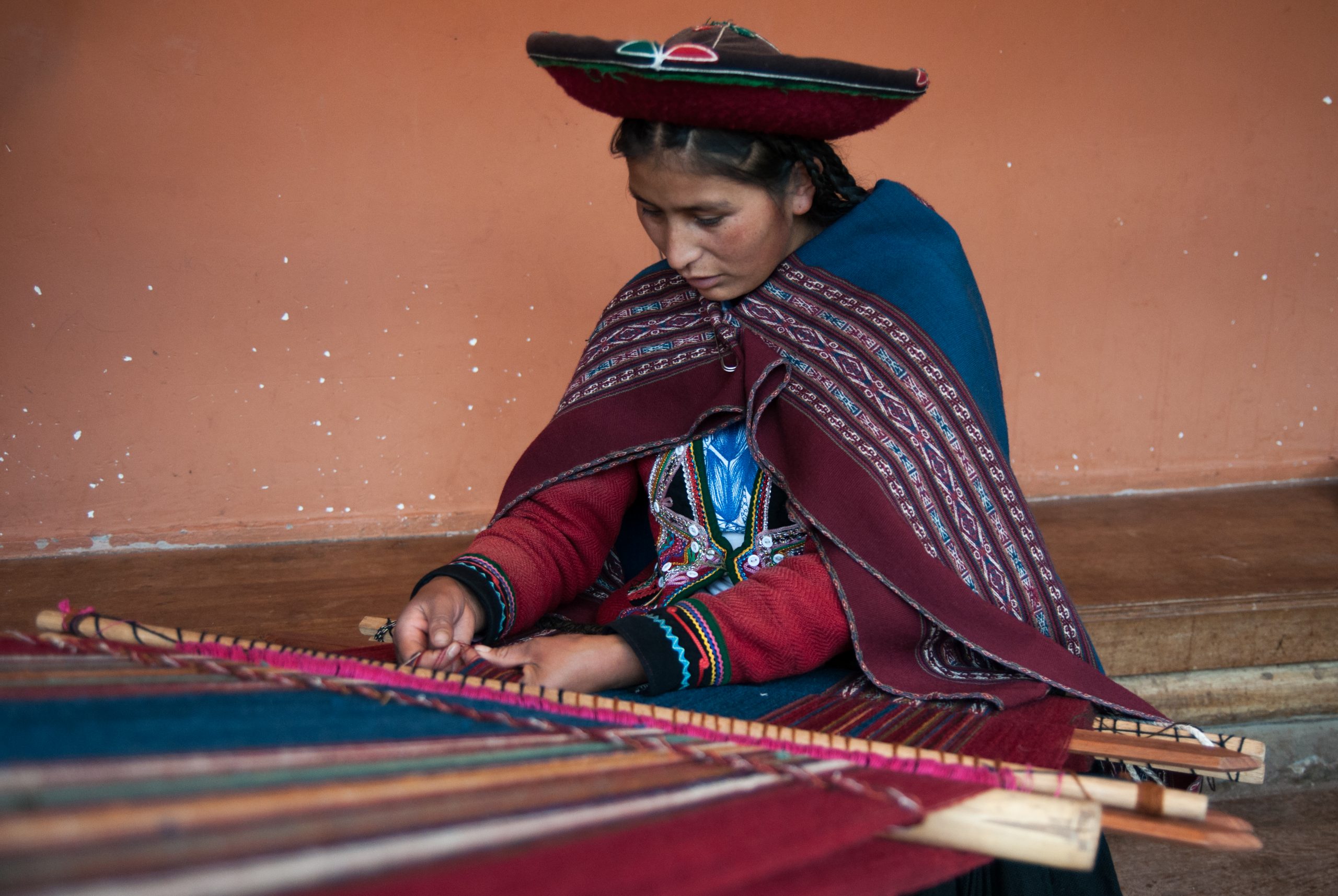
Loom-by-loom Weaving
Loom-by-loom weaving is the most representative technique. The weaver secures the loom to her body and to a fixed point, allowing her to control the tension of the fabric with precision.
Symbolic Design (Pallay)
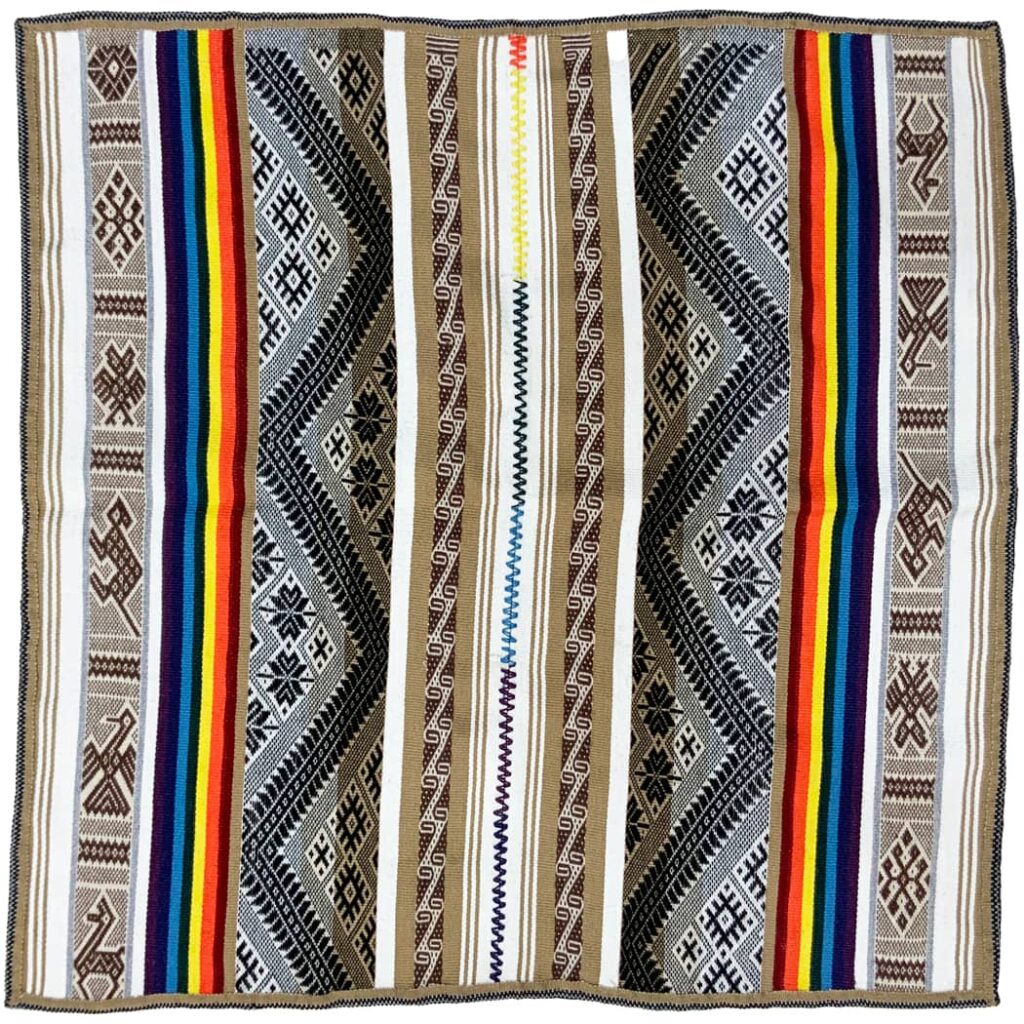
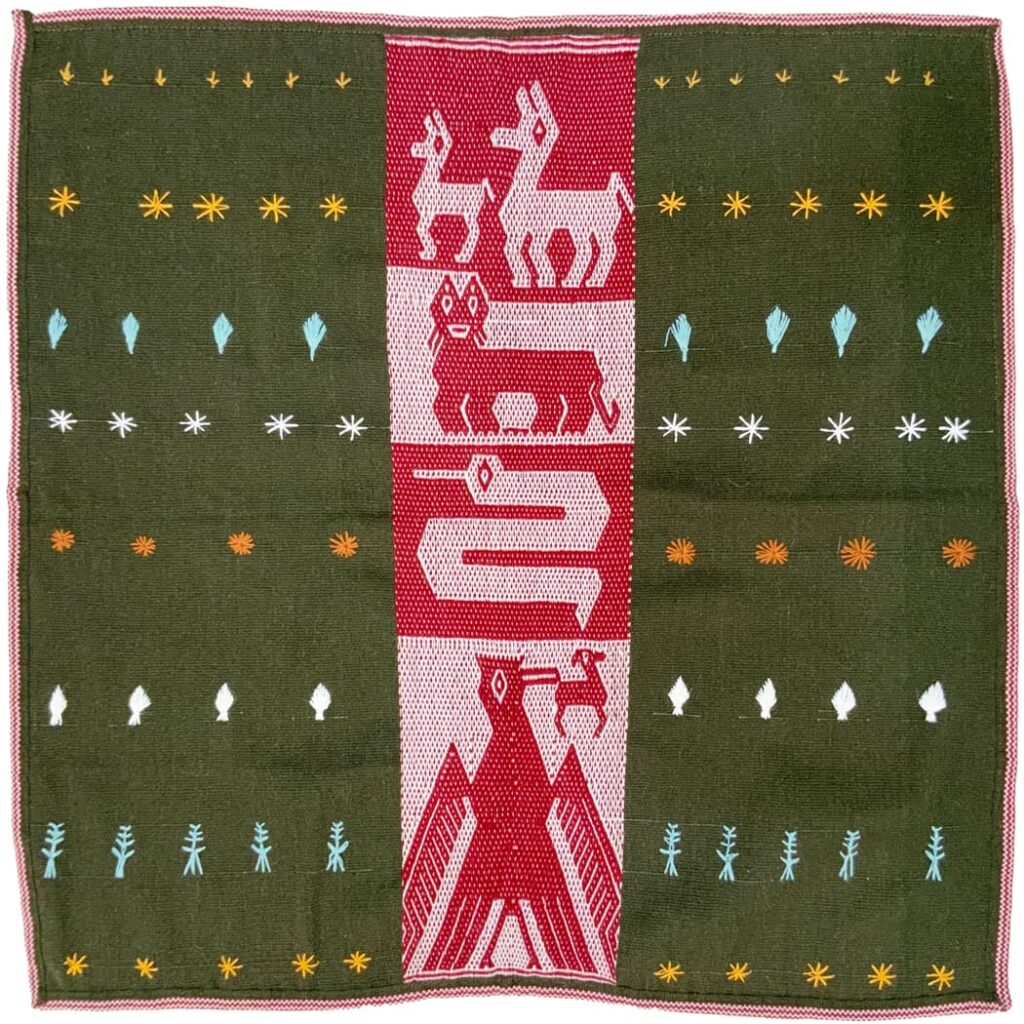
The textile designs, known as pallay, have specific meanings. They represent elements of the Andean worldview, such as mountains, animals, agricultural cycles, and scenes from daily life. Each community—and even each family—may have its own patterns.
Hand Spinning
Before weaving, the fiber is spun by hand using a traditional tool called a pushka. This process directly influences the final quality of the textile.
The Role of Women in the Textile Tradition
In Chinchero, textile knowledge is preserved primarily by women. From an early age, they learn these techniques as part of their cultural upbringing. Weaving represents not only a source of income but also a means of preserving their identity.
Visitor Experience
Visiting Chinchero offers a firsthand look at this ancient craft. Various textile centers offer demonstrations where you can observe:
- The entire weaving process
- The creation of natural dyes
- The creation of unique pieces
In addition, buying directly from the artisans contributes to local economic development and the preservation of these traditions.
Weaving in Chinchero is a living expression of Andean culture. Each piece reflects history, technique, and meaning. For visitors to Cusco, experiencing this tradition offers an opportunity to understand an essential part of the Andean heritage.
Shop for authentic handicrafts from anywhere in the world
Today, you no longer need to travel to Cusco to access these products. Through Sacred Loom Peru, you can purchase items made by local artisans directly.
Authentic Andean Textiles
Handmade in Chinchero, Cusco. Support local artisans and explore unique traditional pieces.
In their online store, you’ll find:
- Hand-knitted alpaca ponchos
- Traditional scarves and accessories
- Andean tapestries and home decor
- Tablecloths and ceremonial textiles
- Bags and one-of-a-kind pieces