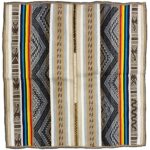
Peruvian Ponchos: Types, Materials & Buying Guide
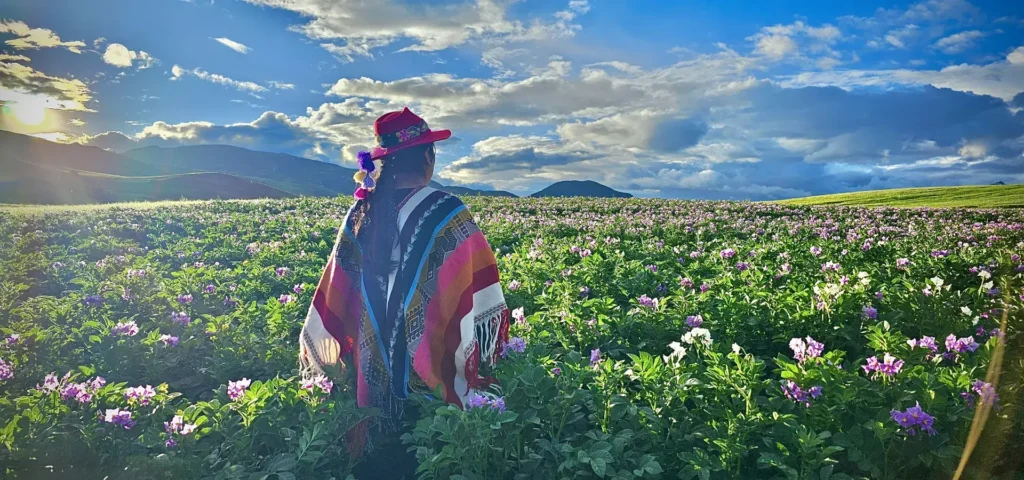
A Peruvian poncho is more than a piece of clothing. Across the Andes, ponchos have long been worn for warmth, comfort, and cultural identity. Their colors, patterns, and weaving techniques often reflect the traditions of a specific community where they are made.
Today, Peruvian ponchos are also appreciated around the world for their unique designs, natural fibers, and versatility. Some are traditional garments made for everyday use in the highlands, while others are contemporary pieces created for people who appreciate handmade clothing.
If you’re thinking about obtaining a Peruvian poncho, this article will guide you through the different styles, materials, and details worth considering before making your choice.
What Is a Peruvian Poncho?
A Peruvian poncho is a loose-fitting outer garment made from fabric with an opening in the middle for the head. Unlike a jacket or sweater, it drapes over the shoulders and body without fitted sleeves.
Ponchos have been part of Andean clothing traditions for centuries. Their design allows freedom of movement while providing an additional layer of protection against cold mountain weather.
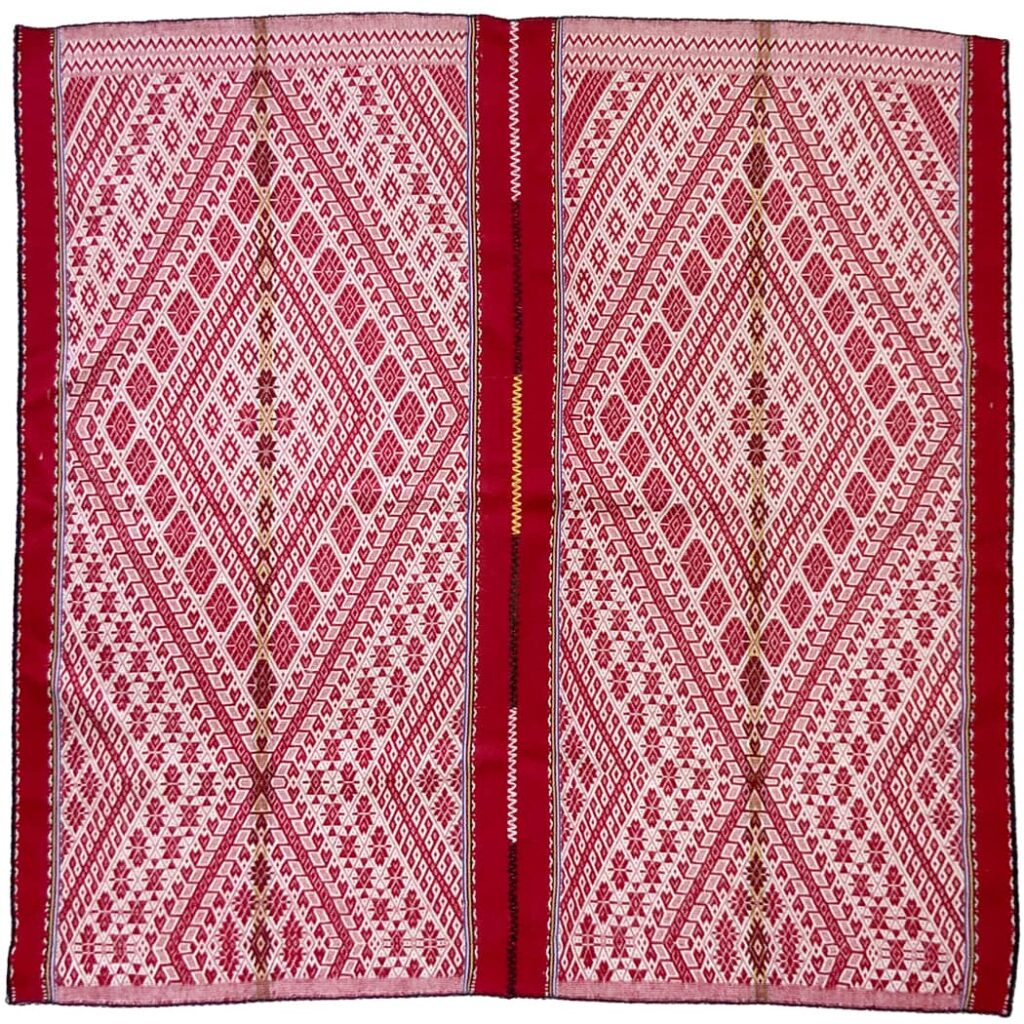
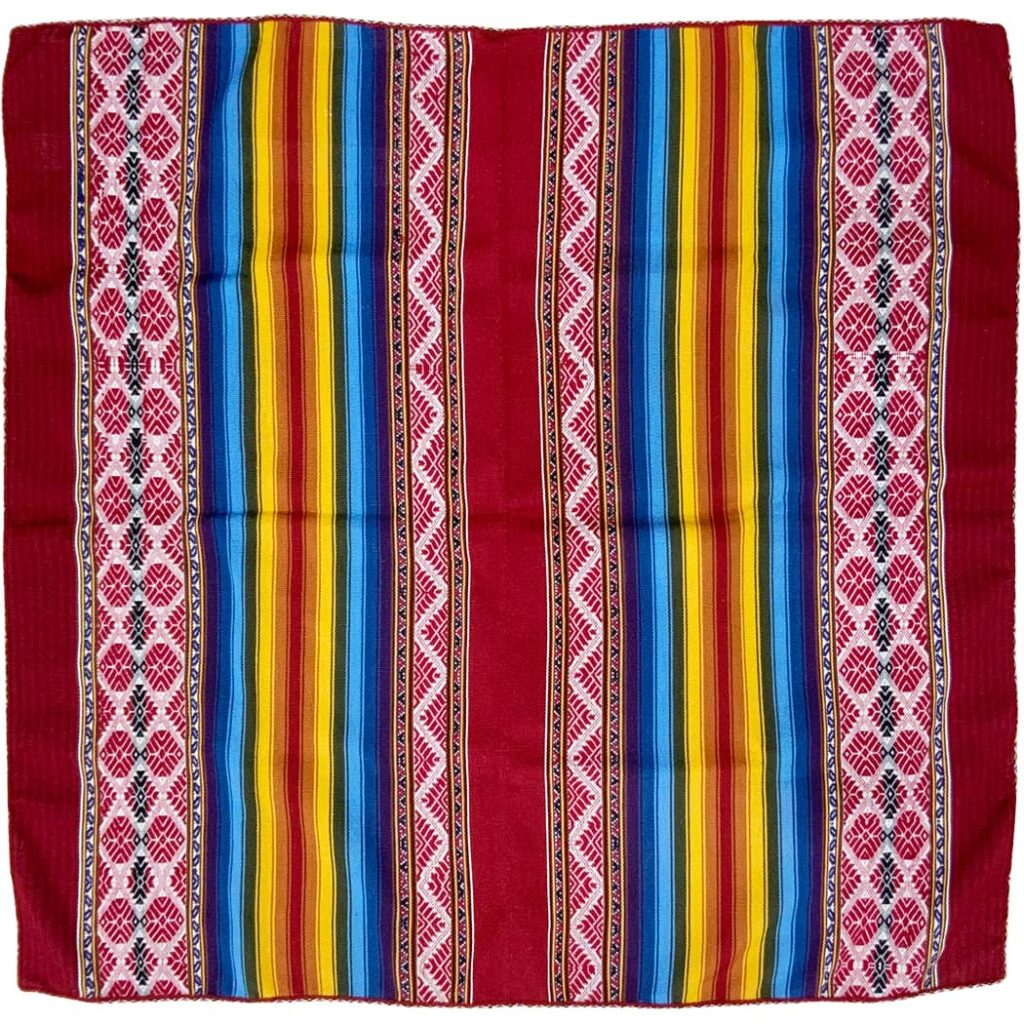
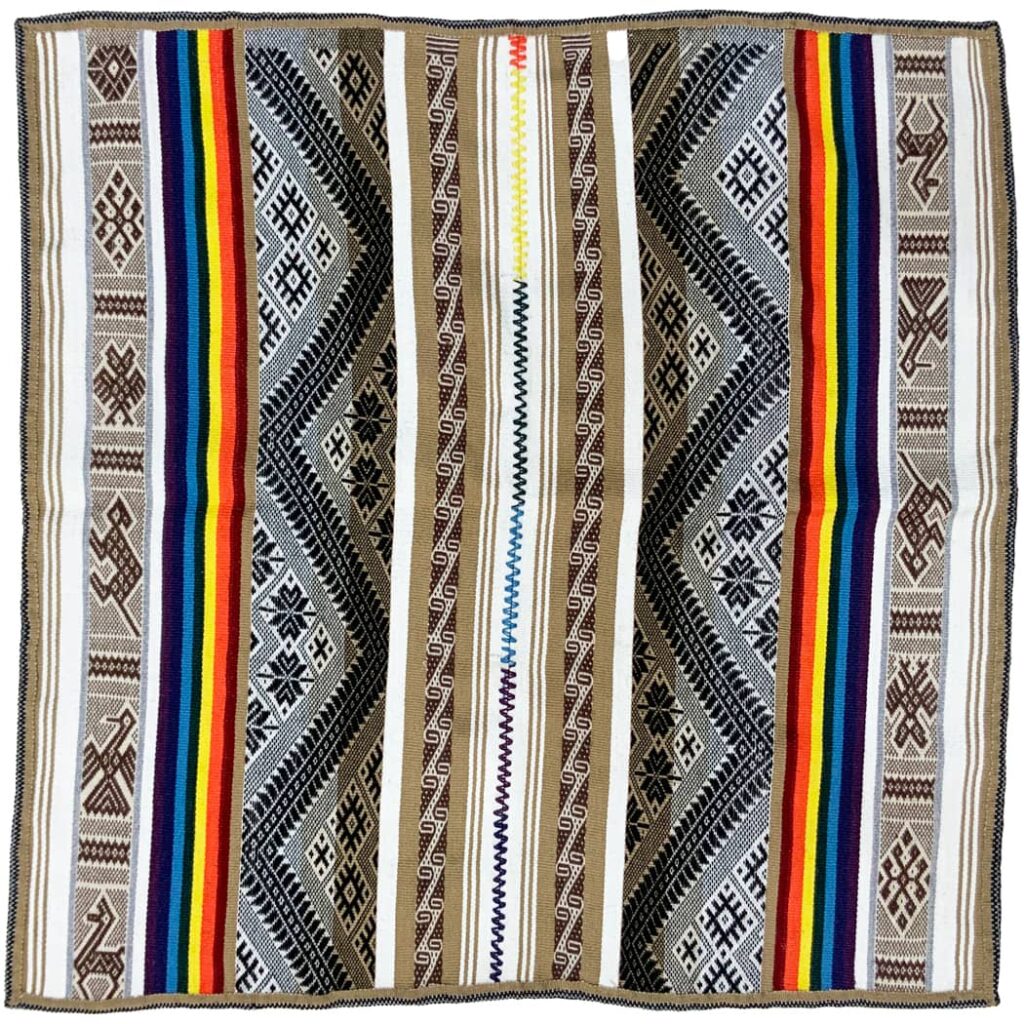
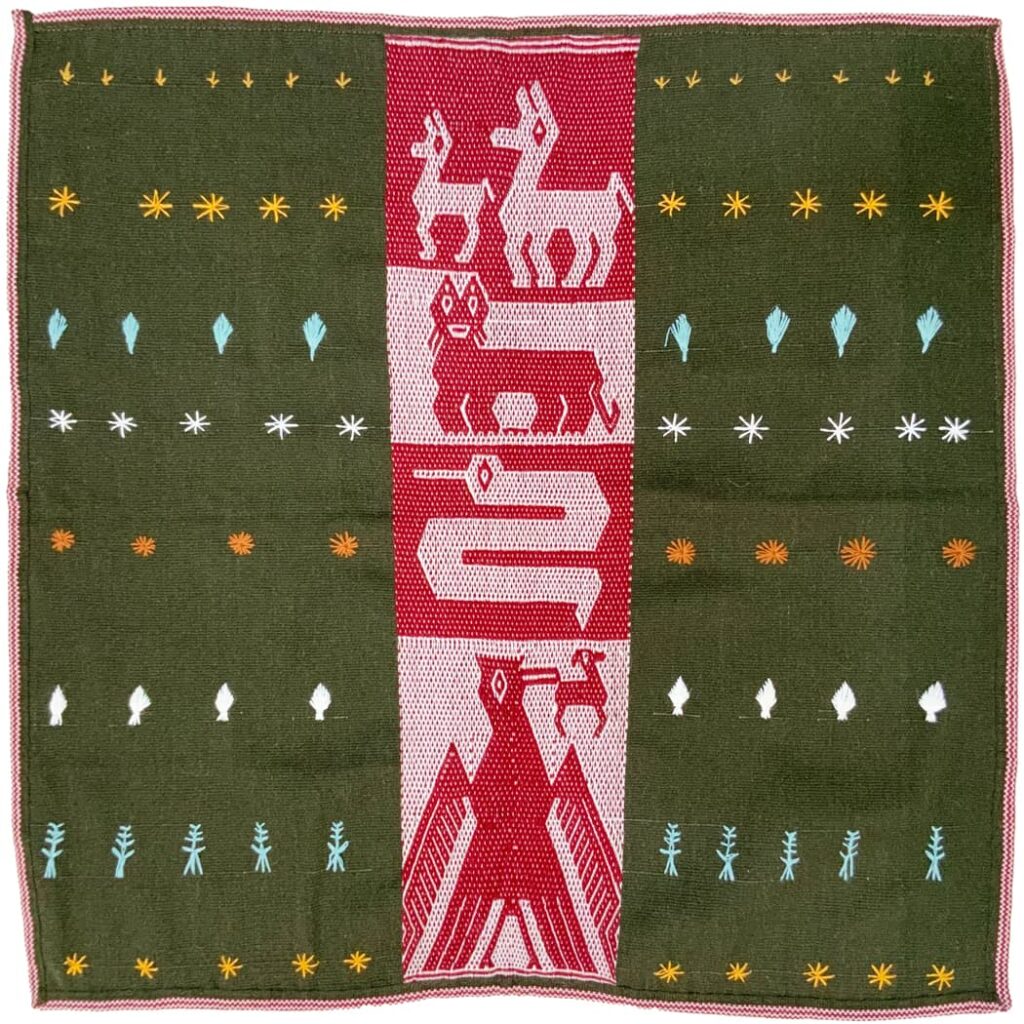
Traditional ponchos vary from one region to another. Some feature bold stripes and geometric patterns, while others use simpler colors or intricate woven designs.
Although ponchos are found throughout South America, those made in Peru are particularly associated with the country’s rich textile heritage.
Types of Peruvian Ponchos
Not all Peruvian ponchos look or feel the same. The style, material, and weaving method can make a considerable difference between communities and special time of the year.
1. Traditional Andean Ponchos
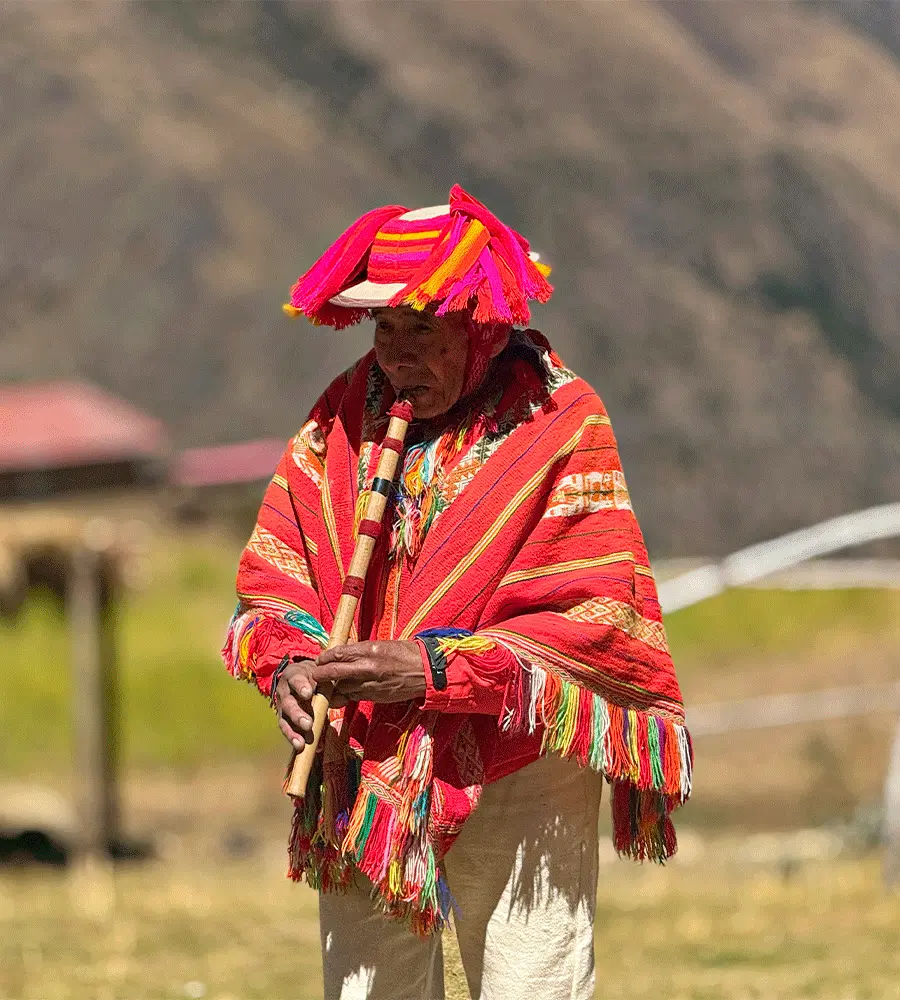
Traditional Andean ponchos are closely connected to the clothing customs of highland communities.
They are often woven using sheep’s wool, alpaca fiber, or other locally available materials. Their designs may include stripes, geometric figures, and color combinations associated with particular regions.
In some communities, ponchos are worn during festivals, celebrations, and important cultural events. In others, they remain practical garments used in daily life.
A traditional poncho can be a meaningful choice for someone interested in the history and craftsmanship of Peruvian textiles.
2. Alpaca Wool Ponchos
Peruvian alpaca ponchos are popular for their warmth, softness, and comfortable drape.
Alpaca fiber is naturally insulating, making it suitable for clothing intended for cooler temperatures. Depending on the thickness and designing, an alpaca poncho may feel relatively lightweight while still providing warmth.
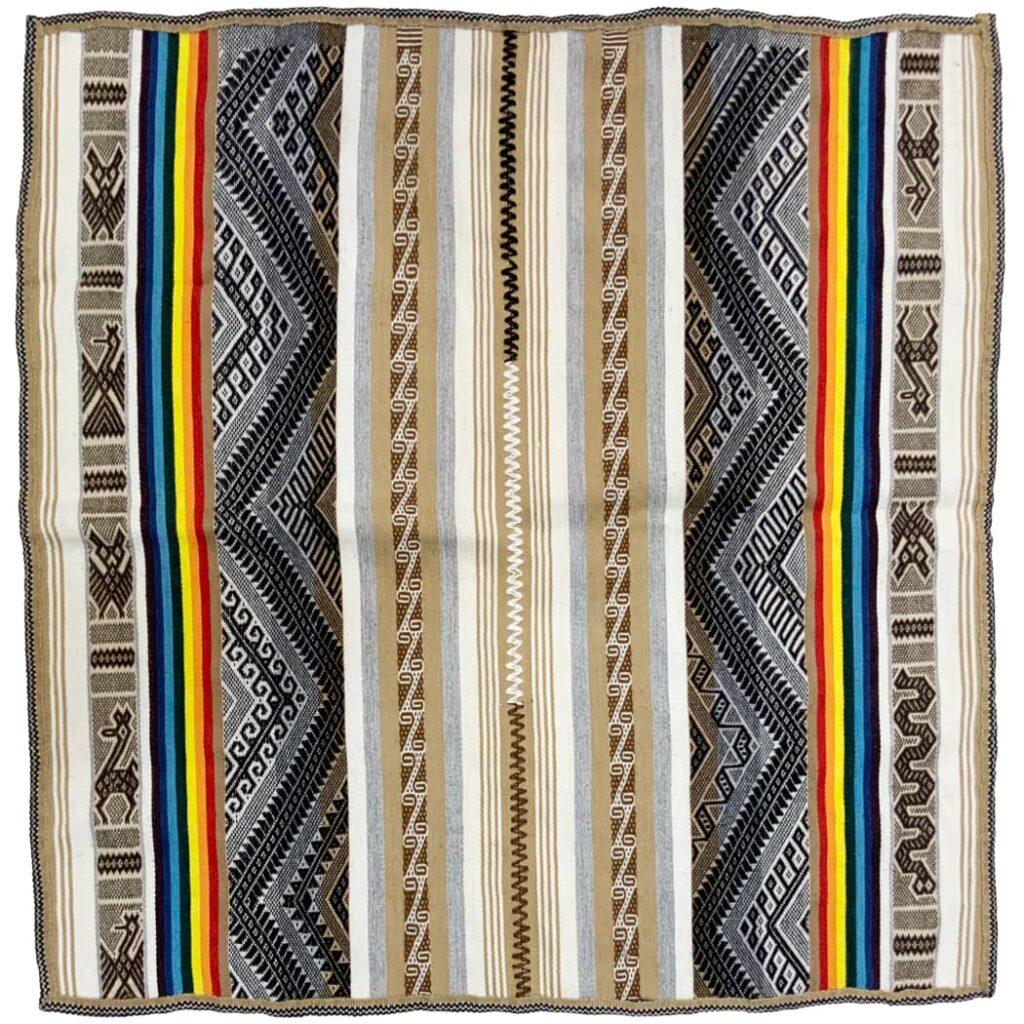
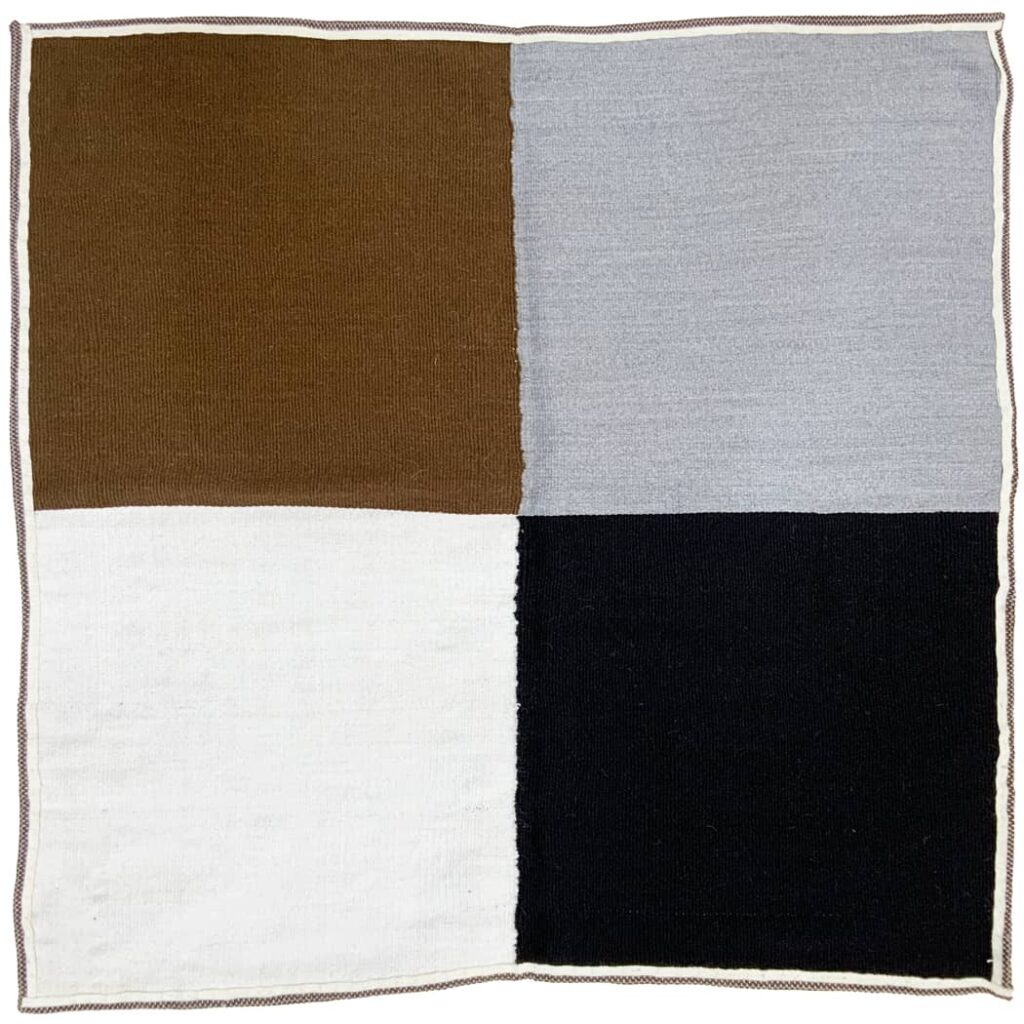
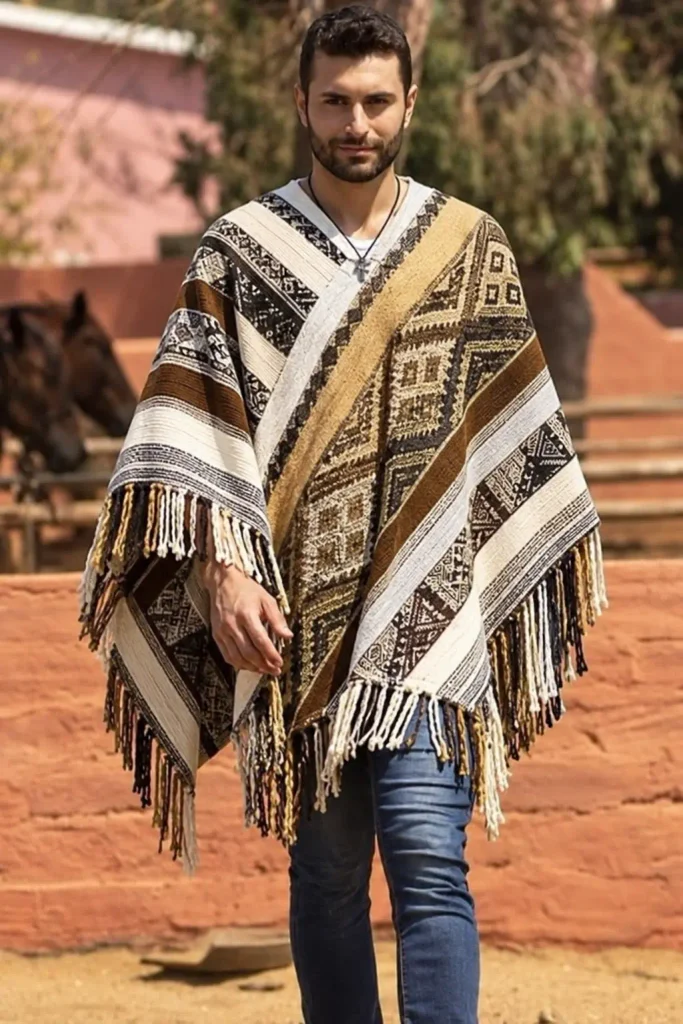
These ponchos can be made in natural tones such as cream, brown, gray, and black, or in a wider variety of dyed colors.
They are a versatile option for people who want to combine traditional Andean inspiration with everyday clothing.
3. Baby Alpaca Ponchos
Baby alpaca is a finer grade of alpaca fiber known for its soft texture.
Despite the name, baby alpaca does not necessarily come from a young animal. The term refers to a classification based on fiber fineness.
Ponchos made from baby alpaca are often chosen for their smooth feel, comfortable drape, and refined appearance.
They may be especially appealing to buyers looking for a premium garment that can be worn over a shirt, sweater, or simple outfit.
To understand the differences between these fibers, read our guide to Baby Alpaca vs. Alpaca Wool.
4. Handmade and Handknitted Ponchos
Handmade ponchos are created using traditional or contemporary textile techniques, including weaving and knitting.
A handwoven poncho is produced by interlacing yarns on a loom, while a handknitted poncho is made by forming interconnected loops of yarn.
Both methods require skill, although the texture, structure, and finished appearance can be quite different.
Handmade pieces may feature distinctive color combinations, decorative fringes, and small variations that reflect the artisan’s work.
For buyers who appreciate craftsmanship, these details can make a handmade poncho particularly special.
5. Modern Peruvian Ponchos and Capes
Contemporary Peruvian ponchos often combine traditional textile influences with more versatile silhouettes.
Some have open fronts, relaxed necklines, or designs that resemble a cape or shawl. Others retain the classic poncho shape while using more subtle colors.
These garments can be worn with jeans, trousers, boots, or casual clothing, making them practical for different occasions.
They are a good choice for buyers who want a garment inspired by Andean craftsmanship without necessarily wearing a traditional regional design.
What Materials Are Used in Peruvian Ponchos?
The material is one of the most important things to consider when choosing a poncho. It affects warmth, texture, weight, maintenance, and price.
Alpaca Fiber
Alpaca fiber is one of Peru’s best-known textile materials.
It is valued for its insulating properties, range of natural colors, and relatively soft feel. Alpaca garments can provide good warmth without needing to be excessively heavy.
However, the texture and quality can vary depending on the fiber grade, yarn preparation, and manufacturing process.
Baby Alpaca
Baby alpaca is generally finer than standard alpaca fiber, giving it a softer and smoother feel.
It is often used for premium clothing, including ponchos, scarves, and sweaters.
Because fiber quality and construction affect the finished garment, checking the actual fiber composition is more useful than relying on a product name alone.
Sheep’s Wool
Sheep’s wool is also widely used in Andean textiles.
It became an important part of highland weaving traditions after sheep were introduced during the colonial period.
Wool provides warmth and can be used to create sturdy garments with defined woven patterns. Some traditional ponchos are relatively thick and durable, making them suitable for colder conditions.
Cotton and Blended Fibers
Some modern ponchos are made using cotton or different fibers are blended.
Cotton may be preferable for lighter garments, while fiber blends can change the drape, texture, durability, and overall cost.
Before purchasing, check whether the poncho contains 100% alpaca, a mixture of alpaca and cotton, or synthetic fibers.
The composition should be clearly stated in the product description.
How to Choose the Right Peruvian Poncho
Choosing a poncho becomes easier when you know how you plan to wear it.
Consider the Climate
If you live in an area with cold winters, a thicker alpaca or wool poncho may be the most suitable option; furthermore, it is a vintage garment.
For milder weather, a lighter poncho or cape may be more comfortable.
Remember that the warmth of a garment depends not only on its fiber but also on its thickness and construction.
Check the Size and Length.
Many ponchos have a relaxed fit, but that doesn’t mean every design is one-size-fits-all.
Check the garment’s length, width, and neck opening before ordering.
If you are shorter, a very long poncho may extend farther down the body than expected. Taller buyers may prefer a longer design for better coverage.
Product measurements are especially helpful when buying handmade clothing online.
Choose a Design That Suits Your Style
Peruvian ponchos come in a wide range of colors and patterns.
Traditional designs may feature vibrant combinations of red, orange, yellow, blue, and other colors. Contemporary styles may use neutral tones or simpler patterns.
If you want a statement piece, a colorful Andean-inspired poncho can become the centerpiece of your outfit.
If you prefer something subtle, a neutral alpaca poncho may be easier to combine with your existing wardrobe.
Look at the Craftsmanship.
Take time to examine the design of the garment.
Look for clear item photos, consistent stitching or weaving, properly finished edges, and accurate material information.
Minor variations can be normal in handmade textiles. However, loose seams, significant defects, or missing product details should not automatically be considered signs of authenticity.
A trustworthy seller should be able to explain how the product was made and what materials were used.
How Can You Tell If a Peruvian Poncho Is Authentic?
When shopping for a handmade Peruvian poncho, authenticity involves more than the colors or patterns.
A garment can have an Andean-inspired design without having been made in Peru. Similarly, a product described as an alpaca poncho may contain other fibers.
Before buying, consider the list below:
- Origin: Is there clear information about where the garment was made?
- Materials: Does the seller specify the fiber composition?
- Craftsmanship: Is the poncho handwoven, handknitted, or machine-made?
- Artisan information: Can the seller explain who makes the products?
- Product photos: Are there clear images showing the texture, dimensions, and finishing?
- Seller transparency: Are shipping conditions, availability, and customer support information easy to find?
These details can help you make a more informed decision.
If supporting traditional craftsmanship is important to you, look for businesses that maintain direct relationships with the artisans and communities and that practice a fair trade.
How Much Does a Peruvian Poncho Cost?
The price of a Peruvian poncho varies considerably.
A simple machine-made garment may cost much less than a handmade piece created from fine alpaca fiber.
Several factors influence the price:
- Fiber quality and composition
- Handweaving or knitting time
- Design complexity
- Size and amount of material
- Finishing techniques
- Whether the garment is a limited or one-of-a-kind design
A higher price does not automatically guarantee authenticity or better quality. It is worth comparing the specifications, craftsmanship, and seller information rather than judging a poncho by price alone.
At Sacred Loom Peru, our collection includes handmade alpaca ponchos and distinctive artisan designs from Cusco. Prices and availability vary by piece.
You can explore the current selection in our Peruvian Ponchos & Capes Collection.
How to Wear a Peruvian Poncho
One of the advantages of a poncho is how easily it can be incorporated into different outfits.
For a casual look, wear an alpaca poncho over a simple shirt with jeans and boots.
In colder weather, layer it over a lightweight sweater or long-sleeved top. A poncho with a generous cut gives you room to add comfortable layers underneath.
For a more elegant outfit, a neutral-colored poncho or cape can be paired with tailored trousers and simple accessories.
If your poncho has bold Andean patterns, consider keeping the rest of your clothing understated so the textile remains the main feature.
How to Care for a Handmade Peruvian Poncho
Proper care can help preserve the appearance and structure of your poncho.
Always follow the product’s care label first, as different fibers and designs require different treatment.
For delicate alpaca or wool garments:
- Avoid washing unnecessarily. Air the garment between wears when appropriate.
- If washing is permitted, use cool water and a mild detergent suitable for wool.
- Handle the fabric gently without abbrasive items, aggressive rubbing or wringing.
- Support the garment’s weight when removing excess water.
- Dry flat, away from direct heat and strong sunlight.
- Store it clean and dry, preferably folded rather than hanging for long periods.
Highly decorative, delicate, or valuable handmade ponchos may require specialist cleaning.
Taking care of the fibers and finishing details will help you enjoy your poncho for years.
Where to Buy Authentic Peruvian Ponchos Online
If you are unable to visit Peru, buying online can be a convenient way to discover traditional textiles and handmade clothing.
However, it is worth choosing a seller that provides more than attractive photos.
Look for clear material descriptions, accurate measurements, information about the artisans, and transparent shipping and return policies.
At Sacred Loom Peru, we work with local communities and celebrate the textile traditions of Cusco and the Sacred Valley.
Our collection features handmade Peruvian alpaca ponchos and capes inspired by the colors, landscapes, and cultural heritage of the Andean life.
Whether you’re looking for a colorful statement piece or a softer, more understated garment, you can explore our available designs online.
Explore Handmade Peruvian Ponchos & Capes
If you want to design your own poncho with specific patterns and colors, you can also contact the Sacred Loom Peru family so they can help you with it.
Frequently Asked Questions About Peruvian Ponchos
Are Peruvian ponchos made from alpaca wool?
Some are made from alpaca fiber, while others use sheep’s wool, cotton, or fiber blends. The material depends on the design, region, and intended use. Always check the individual product’s composition.
Are alpaca ponchos warm?
Yes. Alpaca fiber has good insulating properties and is commonly used for cold-weather clothing. The actual warmth of a poncho also depends on the thickness of the fabric, design, and how it is worn.
What is the difference between a poncho and a cape?
A traditional poncho generally has an opening for the head and drapes over the body without a full front opening. A cape typically rests over the shoulders and may have an open front or fastening.
Are Peruvian ponchos handmade?
Many traditional ponchos are handwoven or handknitted, but not all ponchos sold as Peruvian are handmade. Some are manufactured using machines. Check the product description for specific information.
Can men and women wear Peruvian ponchos?
Yes. Ponchos are worn by men and women, even kids, although traditional styles and their cultural uses can differ between communities. Many contemporary designs are also suitable for a wide range of wearers.
Can I buy Peruvian ponchos from outside Peru?
Yes. Some Peruvian textile businesses offer international shipping. Before ordering, review shipping availability, delivery estimates, customs charges, and return conditions for your country.
Discover the Craftsmanship of Peruvian Ponchos
Peruvian ponchos bring together comfort, practical design, and centuries of textile wisdom. From traditional wool garments to soft baby alpaca styles, each type offers something different.
Choosing the right poncho comes down to understanding the material, fit, craftsmanship, and how you intend to wear it.
A well-made poncho is more than a souvenir. It can be a useful part of your wardrobe and a connection to the people and traditions behind Peruvian textile art.
At Sacred Loom Peru, we invite you to discover our collection of handmade ponchos and experience a small part of Peru’s living textile heritage.